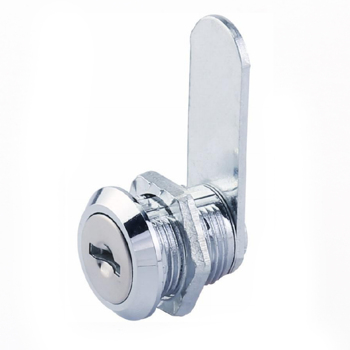
Model 103 Standard
103 High-Pressure Zinc Alloy Drawer Cam Lock
Standard 19mm cut-out · 16mm/20mm/25mm/30mm cylinder body lengths · 180° rotation · MOQ 2,400 pcs
Request Sample
In modern industrial enclosures, metal office cabinetry, postal systems, electronic server racks, and high-traffic institutional lockers, the zinc alloy cylinder cam lock remains the single most reliable, cost-efficient, and versatile locking interface globally. Global procurement teams, hardware distribution principals, and tier-1 OEM manufacturers evaluate cam locks far beyond basic external dimensions. Engineering scrutiny focuses rigorously on zinc alloy die-casting purity, anti-shear torsional tolerance, wafer keyway anti-picking integrity, and surface electroplating resilience under accelerated salt spray environments.
Guangzhou Britton Hardware Product Co., Ltd. (operating with continuous manufacturing heritage since 1992) operates two vertically integrated Guangdong manufacturing facilities spanning over 20,000 m². Backed by a dedicated 24-engineer R&D department and an in-house certified metrology laboratory, we deliver precision-machined Zamak-3 and Zamak-5 zinc alloy cylinder cam locks engineered to surpass EN 1303 mechanical cycling standards and international B2B quality benchmarks.
An in-depth metallurgical and mechanical comparison revealing why Zamak zinc alloy outperforms brass and stamped steel in high-volume, high-precision security enclosures.
A zinc alloy cylinder cam lock relies upon hot-chamber high-pressure die casting using certified Zamak-3 or Zamak-5 ingots. The superior thermal conductivity and fluidity of zinc alloy allow complex wafer channels, internal stop-cams, and anti-twist double-D barrel shapes to be cast with precise tolerances of ±0.02mm directly from the mold without requiring extensive CNC secondary profiling.
| Parameter | Britton Zamak-3 Zinc Alloy | Standard Commercial Brass | Stamped Carbon Steel |
|---|---|---|---|
| Die-Casting Fluidity & Net Shape | Superior (Tight Wafer Slots) | Moderate (Requires CNC Milling) | Poor (Subject to Form Bending) |
| Tensile Strength (MPa) | 283 – 310 MPa | 310 – 380 MPa | 270 – 340 MPa |
| Impact Energy Absorbed (J) | 42 – 48 J (Tough, Ductile) | 20 – 30 J | Varies (Prone to Weld Shear) |
| Keyway Differs Available | 1,000 to 10,000 Non-Interchangeable | 500 to 2,000 Standard | Limited (Low Differs) |
| Mass Production Cost Efficiency | Optimal Cost/Performance Ratio | High Metal Cost (+45-65%) | Low (Severe Wear in Turning) |
Crucial Factor: Impurities such as Lead (Pb), Tin (Sn), and Cadmium (Cd) must remain below 0.003% to avoid intergranular oxidation (commonly called "zinc pest"). Guangzhou Britton Hardware Product Co., Ltd. inspects raw material spectroscopic chemistry on every incoming ingot batch.
Industrial cabinet locks installed in coastal electrical switchgear, telecom outdoor cabinets, and high-frequency fitness center locker rooms face rigorous corrosive atmospheric elements. Raw zinc alloy must be protected by an engineered electroplating barrier.
| Finishing Type | Process Thickness | Corrosion Protection (ASTM B117) | Primary Application Context |
|---|---|---|---|
| Bright Mirror Chrome | Cu (8µm) + Ni (12µm) + Cr (0.25µm) | 72 – 96 Hours Neutral Salt Spray | Office Desks, Mailboxes, Cash Drawers |
| Electrophoretic Matte Black | E-Coat polymer dip over nickel | 120 – 168 Hours Neutral Salt Spray | Telecom Server Racks, Architectural Panels |
| Satin Nickel (Brushed) | Multi-layered satin electroplating | 96 Hours Neutral Salt Spray | Luxury Furniture, Modular Kitchen Islands |
| Weatherproof Zinc Flake | Special organic anti-corrosion coat | 240+ Hours Salt Spray Exposure | Outdoor Enclosures & Meter Boxes |
Quality Assurance Protocol: All production runs at Britton Hardware are tested inside our in-house salt spray testing chamber to ensure zero blistering, pitting, or base metal corrosion.
Engineered for high security, dimensional consistency, and seamless integration across industrial and commercial cabinetry.
Standard 19mm cut-out · 16mm/20mm/25mm/30mm cylinder body lengths · 180° rotation · MOQ 2,400 pcs
Request Sample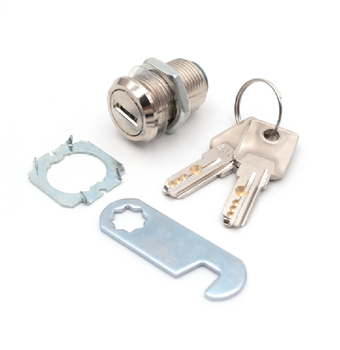
Brass reversible dimple keys · Pick-resistant dual-row wafer system · Nickel chrome finish · MOQ 500 pcs
Request Sample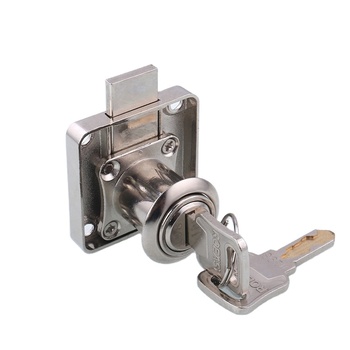
Core-removable cylinder · Master key system architecture for school, gym, and hospital lockers · MOQ 1,000 pcs
Request Sample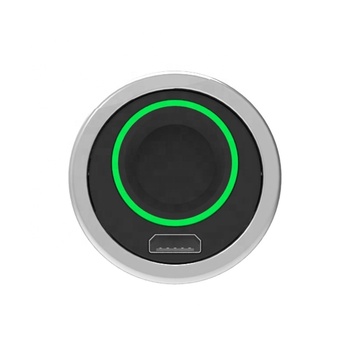
Semiconductor biometric sensor · Integrated zinc housing · Mechanical emergency override cam cylinder · MOQ 300 pcs
Request SampleStrategic purchasing insights for category managers navigating automation, compliance, digital master-keying, and geopolitical supply chain diversification.
Global commercial facilities are phasing out non-removable cam locks. Sourcing demands are shifting rapidly to interchangeable core mechanisms where facility managers can extract and re-pin cylinders from the front bezel without disassembling cam arms or cabinetry panels.
Impending EU RoHS and REACH regulatory updates are driving procurement away from legacy brass (which frequently contains 1.5%–3% trace lead for machinability) toward ultra-pure, lead-free zinc alloys like Zamak-3, ensuring compliance with strict environmental directives.
Smart parcel lockers and data centers demand physical-digital redundancy. Sourcing trends highlight dual-mode cam locks where an electromagnetic 12V pulse or micro-servo motor operates alongside an integrated mechanical zinc alloy cylinder cam lock for emergency override.
To resist physical intrusion attacks in self-service automated teller kiosks, buyers require hardened steel ball insertions inside the zinc die-cast front nose to deter high-speed drill bits, combined with heavy 3mm stamped steel cams rated for ≥10 N·m torsional failure resistance.
Enterprise procurement departments are consolidating purchases with integrated factories capable of shipping cam locks, concealed hydraulic hinges, and undermount slides in single consolidated containers, slashing administrative overhead and shipping risks.
How four decades of manufacturing advancements reshaped cam lock durability, keyway security, and modular adaptability.
Our SGS onsite-verified manufacturing facilities and dedicated hardware test lab guarantee that every zinc alloy cylinder cam lock meets strict dimensional, torsional, and environmental thresholds.
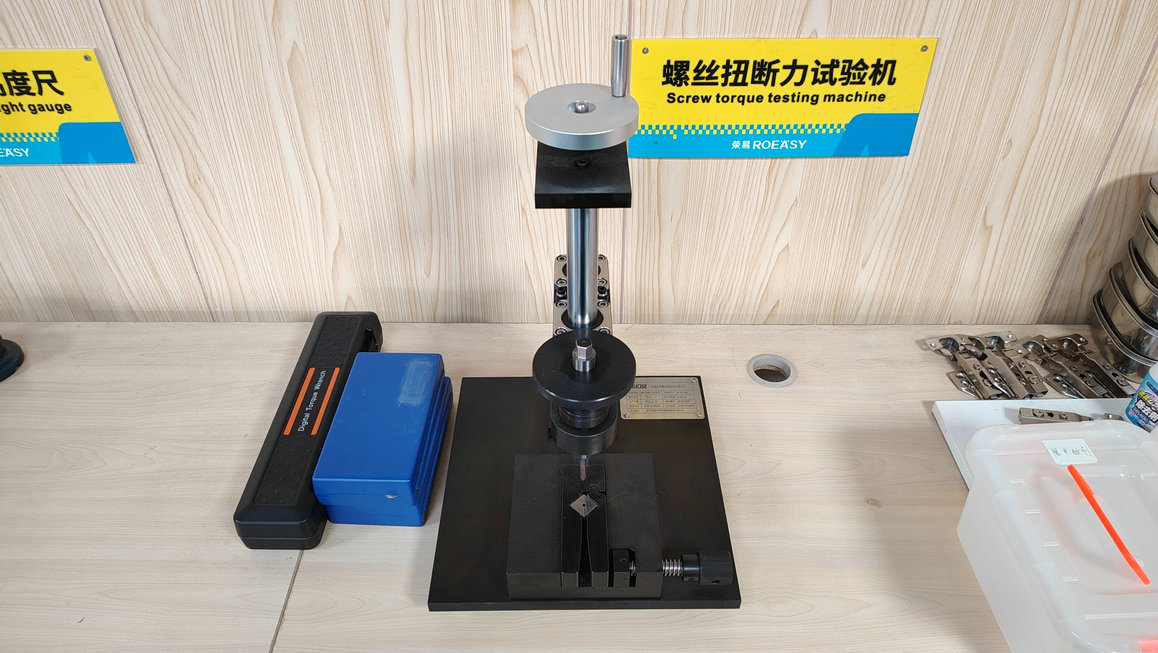
Measures cylinder mounting nut tightening stress and cam fixing screw shear limits to avoid thread strip failure during automated factory assembly.
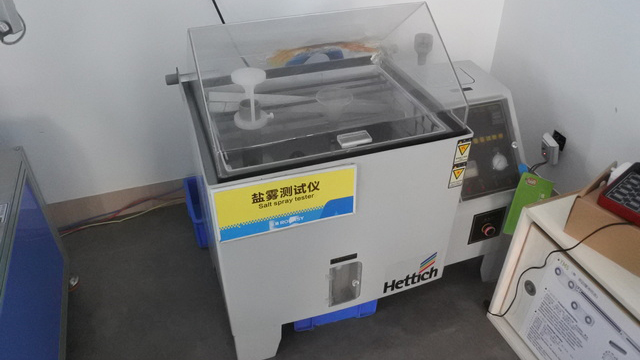
ASTM B117 salt spray chamber subjecting chrome and electro-phoretic black lock bodies to continuous saline fog to verify 72 to 120-hour corrosion protection.
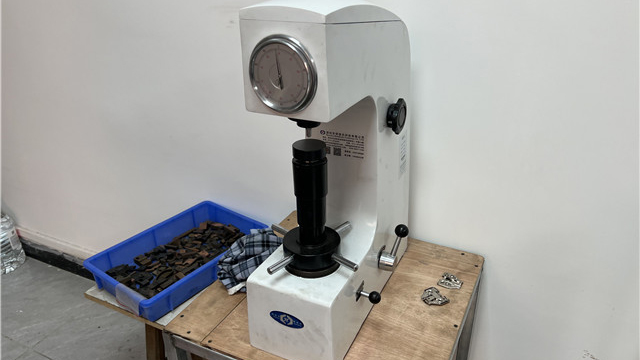
Rockwell and Vickers hardness inspection ensuring zinc die-cast parts and steel locking cams achieve the specified structural ductility without micro-brittleness.
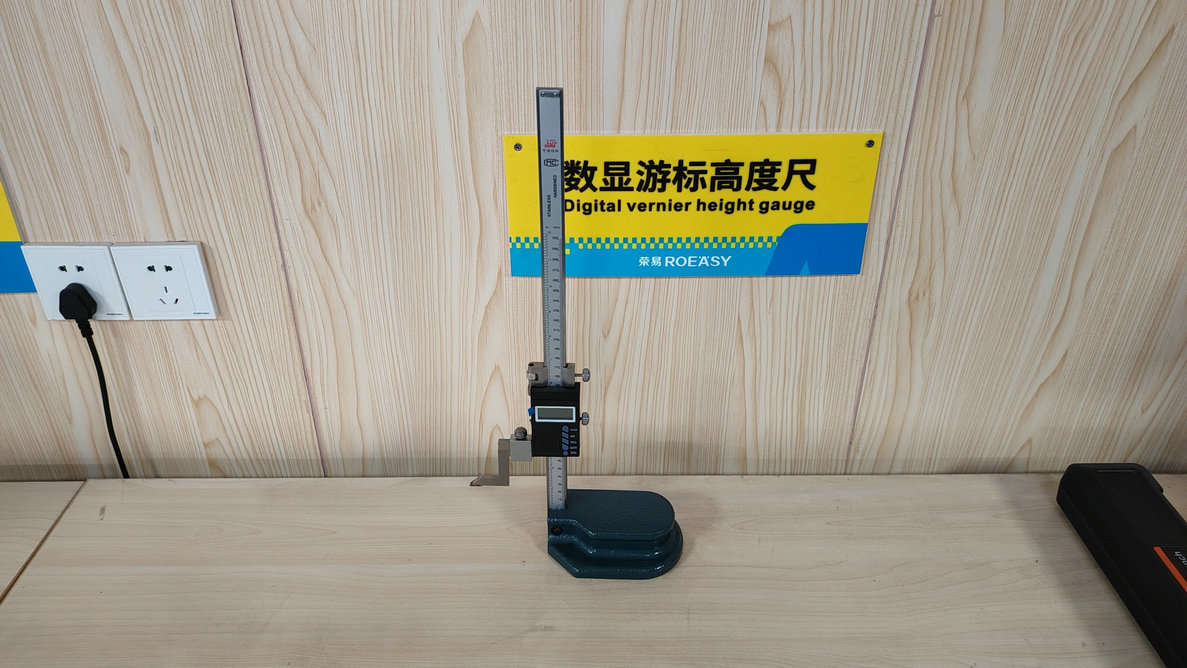
High-resolution dimensional measurement ensuring cylinder barrel threads (3/4-27 UNS or M19 metric) conform to precision hole cut-out profiles.
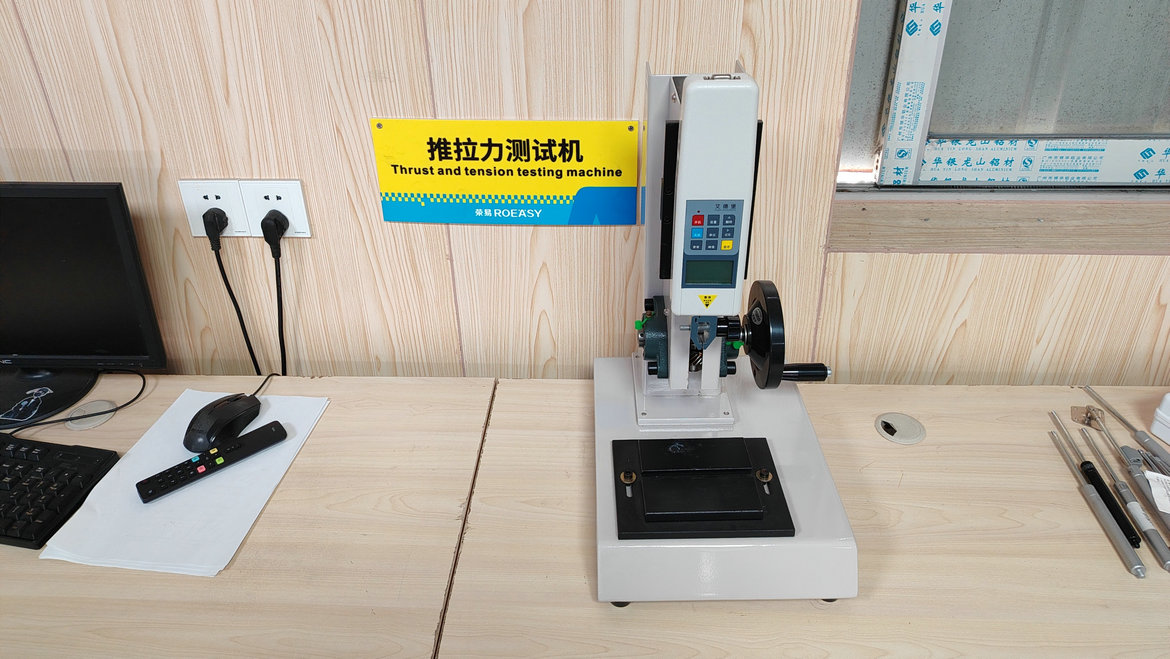
Applies calibrated axial tensile pull loads up to 1,500 N to confirm the cylinder retaining clip or roll pin prevents plug extraction under pry attack.
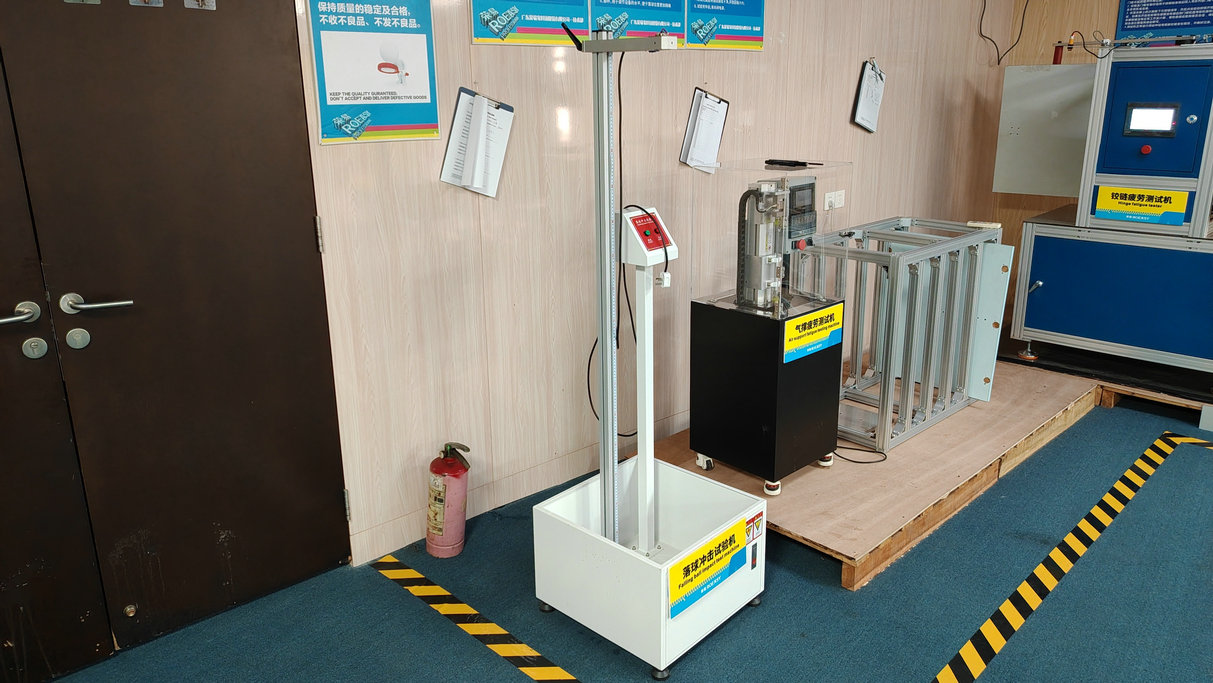
Evaluates surface impact resistance and structural shatter resistance of the lock housing against blunt force tampering attempts.
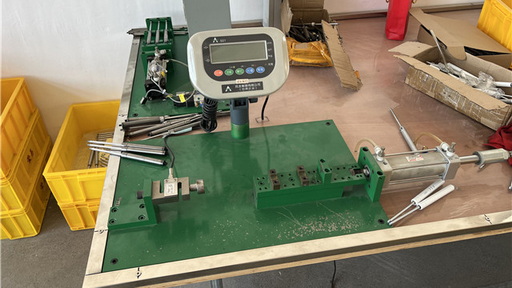
Optical comparator and micrometer inspection validating keyway profile cuts, tumbler brass wafer steps, and key bitting depth consistency.
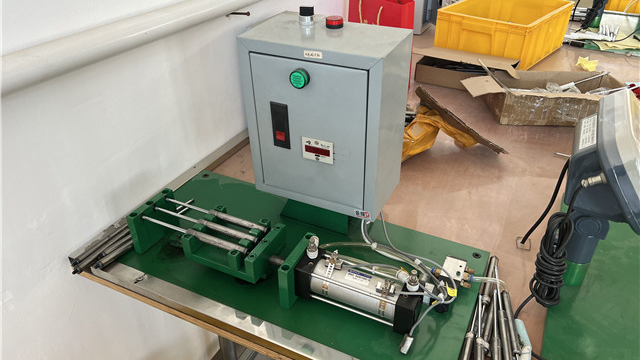
Automated continuous key insertion, rotation, and withdrawal test stands cycling up to 50,000 operations under continuous friction to verify lifetime durability.
Authoritative technical answers addressing the key questions global buyers, hardware engineers, and sourcing directors ask during lock specification.
Zinc alloys (particularly Zamak-3 and Zamak-5) feature exceptional casting fluidity at moderate melting points (~385°C to 420°C). This allows high-speed hot-chamber die casting of complex internal geometry—such as thin wafer tumbler slots, anti-rotation body flats, and threaded barrels—with consistent dimensional accuracy of ±0.02mm directly from the tooling mold. Unlike CNC-machined brass, zinc alloy minimizes material waste and unit manufacturing costs by 35% to 50% while delivering equivalent structural strength, smooth mechanical rotation, and high impact resistance when properly electroplated.
Intergranular corrosion occurs when zinc alloy contains trace impurities of lead (Pb), tin (Sn), or cadmium (Cd) above 0.003%, which causes internal intercrystalline degradation in warm, humid air. Guangzhou Britton Hardware Product Co., Ltd. uses certified virgin zinc ingots complying with ASTM B240 and GB/T 13818. We verify material purity via optical emission spectroscopy and protect all components with a multi-layer electroplating barrier (acid copper + nickel + hard chrome or electrophoretic dip) validated through 72 to 120-hour neutral salt spray (NSS) testing.
We engineer four standard keying configurations: 1) Keyed Different (KD): Each lock opens only with its unique key, featuring 1,000 to 10,000 true non-interchangeable bittings to eliminate cross-opening; 2) Keyed Alike (KA): One unified key opens all locks across an installation (common in power enclosures and display cabinets); 3) Master Keyed (MK): Each lock has its own dedicated user key, while an authorized supervisor master key operates every lock across the group; 4) Interchangeable Core Keying (CK): Allows the plug core to be removed using a specialized control key for instant rekeying without demounting the lock.
Our standard 19mm body zinc alloy cylinder cam locks are rated for an operational rotation torque of ≥2.5 N·m and a destructive torsional shear load threshold between 8.5 N·m and 12.0 N·m on the cam drive spindle. The hex fastening body nut withstands a tightening torque of 10 N·m to 14 N·m without thread distortion, verified using our in-house digital screw torque testing equipment.
Yes. We offer cylinder barrel lengths ranging from 11mm, 16mm, 20mm, 25mm, up to 32mm to accommodate thin sheet steel (0.8mm–2.0mm), acrylic, wood composites (16mm–18mm), and thick solid wood doors. Cam arms are fully customizable with straight profiles, stepped offsets (inward or outward offsets from 2mm to 12mm), and integrated locking hooks. Key rotation is configurable for 90° or 180° clockwise or counter-clockwise operation, with single-key-pull or dual-key-pull key-retaining options.
Standard inventory models (such as Model 103 chrome cam locks) have an MOQ of 500 to 2,400 pieces, with functional samples dispatched within 2 to 4 business days. Custom OEM orders requiring private laser logo marking, specialized key code numbering, or custom cam tooling typically have an MOQ of 3,000 pieces with a production delivery lead time of 20 to 28 days.
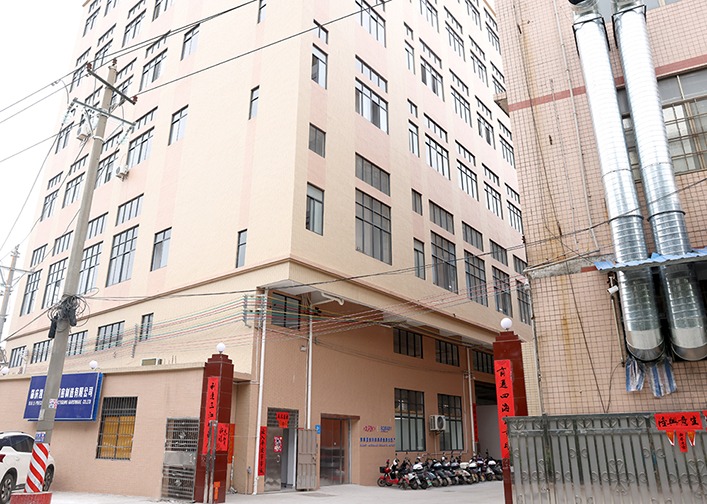
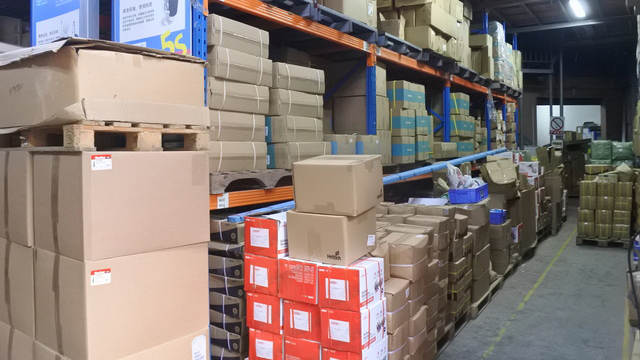
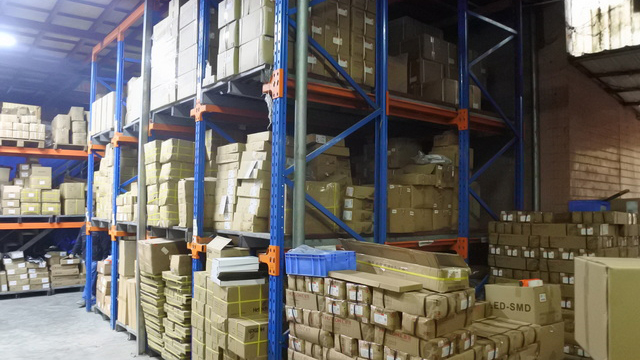
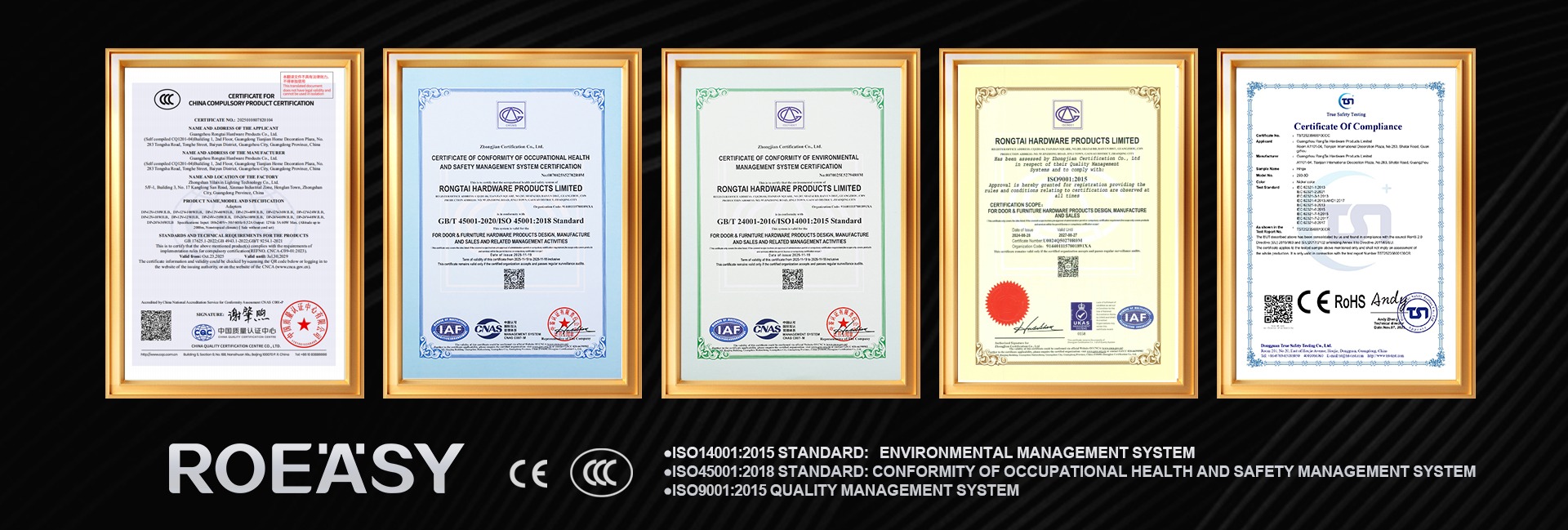
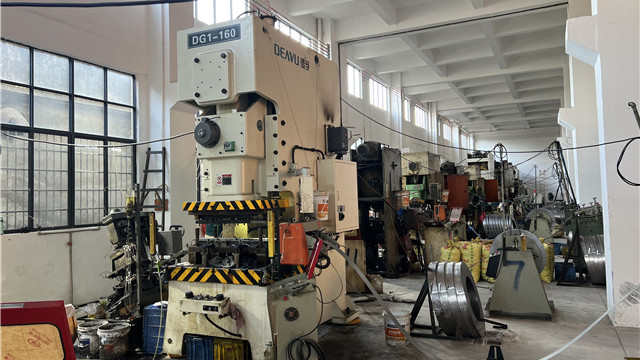
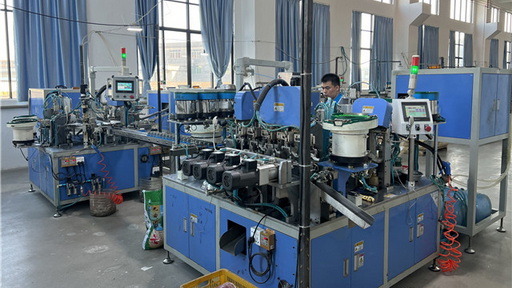
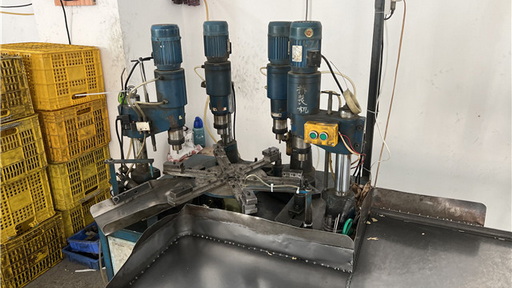
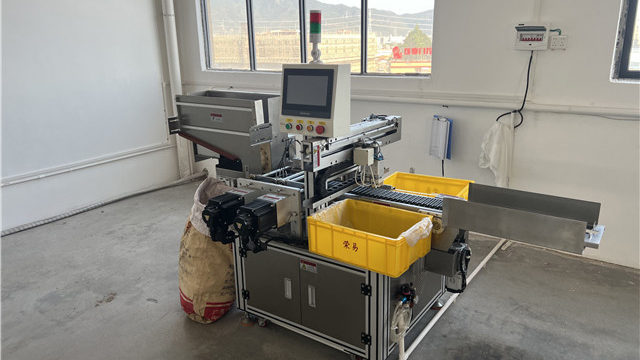
Founded in 1992, Guangzhou Britton Hardware Product Co., Ltd. has grown into a leading Chinese hardware manufacturer. With dual specialized production facilities in Shantou and Zhaoqing (Gaoyao), Guangdong, we deliver end-to-end manufacturing control across die-casting, precision stamping, robotic polishing, automatic electroplating, and computerized assembly.
As the exclusive partner for DuPont household hardware and door & window systems, and a verified OEM supplier to Fortune 500 procurement teams, we ensure that every batch of zinc alloy cylinder cam locks meets rigid dimensional, metallurgical, and cycle-life specifications.
Send us your lock hole dimensions, cam arm offset specifications, panel thicknesses, and keying requirements. Our engineering team responds with complete CAD technical drawings, pricing tiers, and test samples within 24 hours.