1
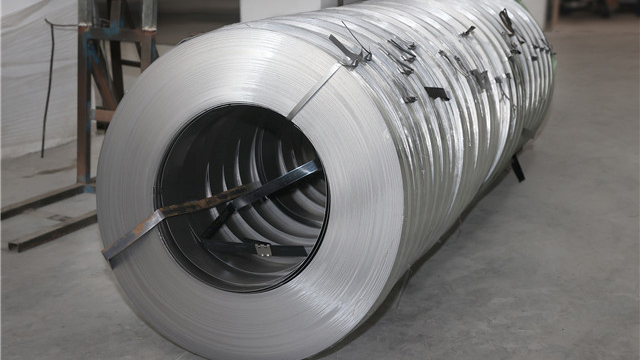
Raw Material
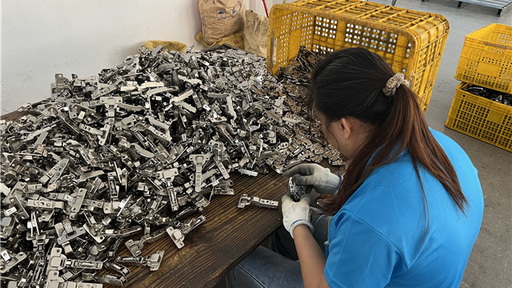
Verification of cold-rolled steel thickness, purity, and tensile strength upon entry.
At Guangzhou Britton Hardware Product Co., Ltd., product reliability is built upon strict metallurgical controls, automated assembly, and standardized mechanical validation. With over three decades of OEM and ODM engineering expertise, our production sites in Guangdong leverage automated riveting systems, high-speed progressive die stamping, and calibrated testing instruments to ensure every batch aligns with international cabinetry hardware standards.
From initial steel coil tensile inspection through multi-stage automated assembly and rigorous cycle endurance testing, every stage operates under continuous QA/QC supervision. Our facilities undergo routine third-party onsite verifications by SGS Group, giving furniture manufacturers, architectural project contractors, and brand distributors verifiable confidence in long-term supply stability.
A closed-loop manufacturing pipeline integrating tooling, cold stamping, hydraulic damping assembly, and multi-tier quality gates.
Verification of cold-rolled steel thickness, purity, and tensile strength upon entry.
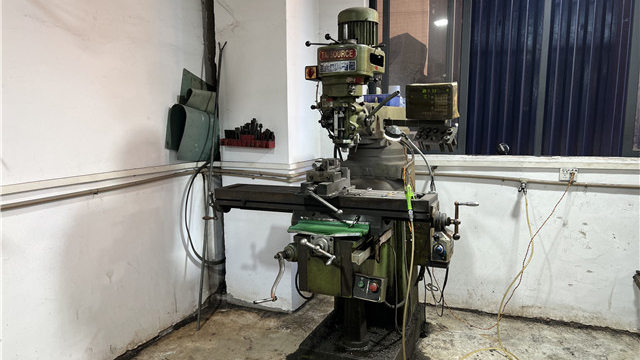
Precision CNC mould design for tight-tolerance hinge cups, arms, and slides.
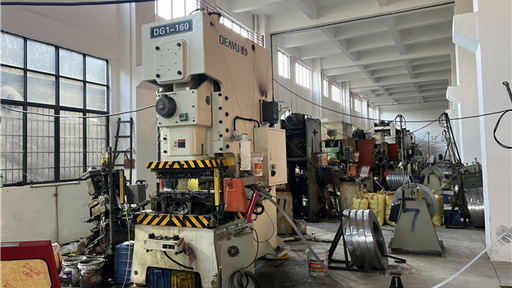
High-tonnage stamping presses creating dimensional accuracy across metal components.
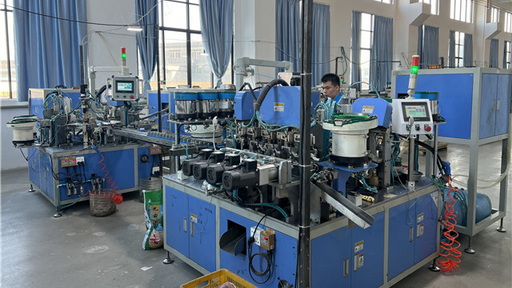
Automated riveting lines integrate hydraulic dampers, springs, and linkage arms.
In-line dimensional tolerances, plating uniformity, and movement tests.
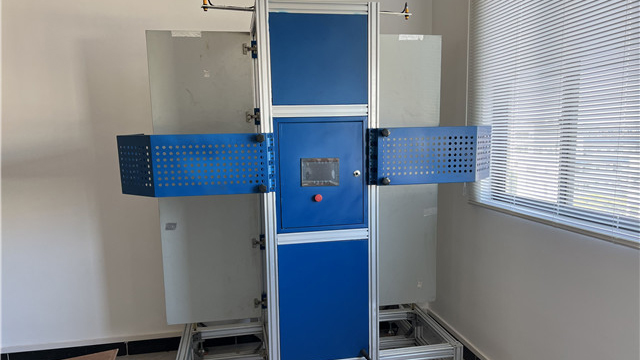
Endurance cycle tests, salt spray exposure, and torque load verification.
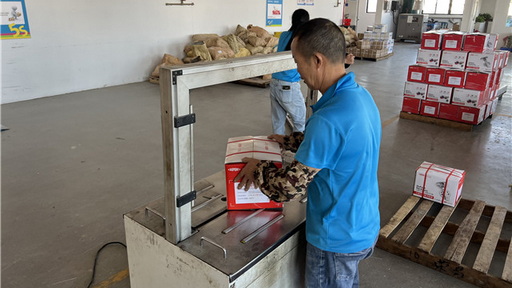
Custom OEM polybagging, barcode labeling, and reinforced container packaging.
Investing in automation reduces manual error, maximizes batch repeatability, and guarantees fast lead times for container-load exports.
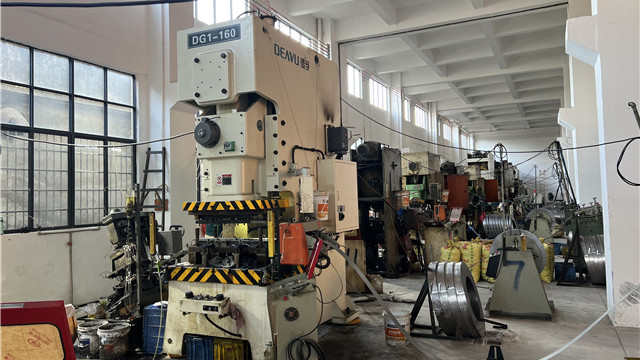
High-precision automated continuous stamping presses shaping mounting plates, slider rails, and hinge arm blanks.
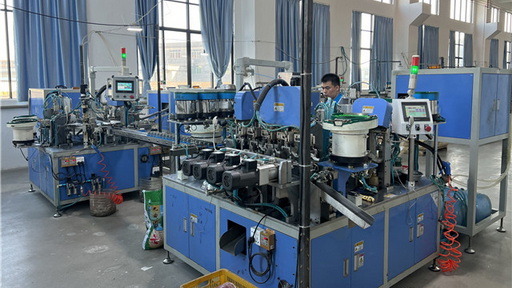
Integrated conveyorized assembly connecting hinge cups, hydraulic dampers, and hinge arms with minimal manual intervention.
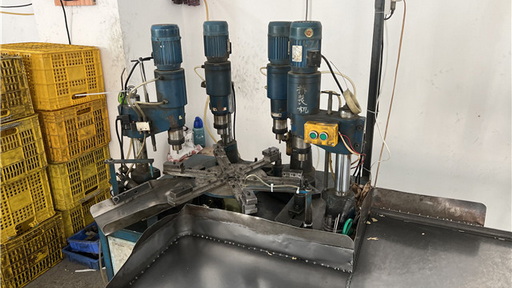
High-pressure riveting station creating permanent pivot connections without play or joint loosening.
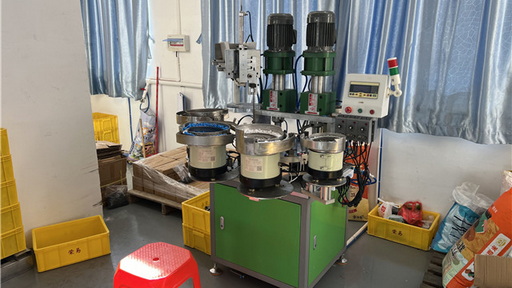
Dedicated alignment equipment inserting central hinge connecting pins with consistent hydraulic crimping pressure.
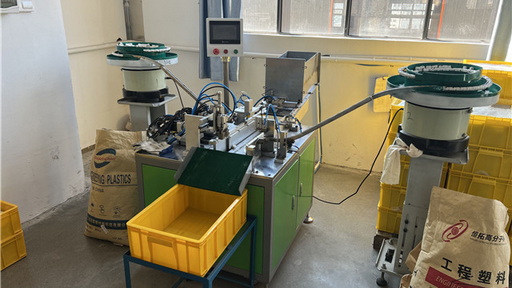
Automated insertion of nylon buffers and damping plug heads for whisper-quiet cabinet closure.
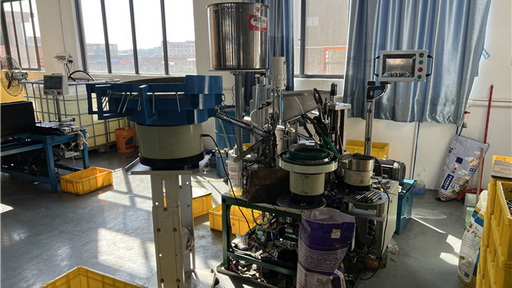
Specialized automation setup assembling multi-link flap stays and stay-lift hinge components.
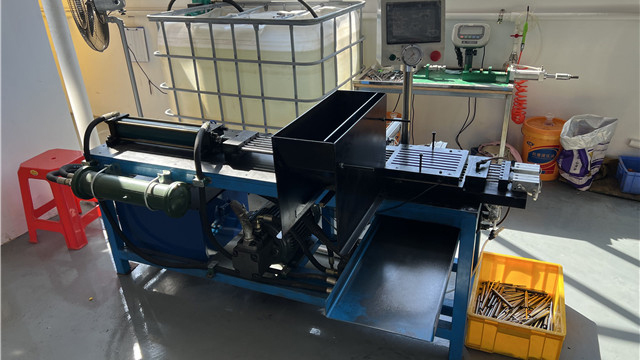
Computerized inert nitrogen charging system with digital pressure gauges to meet accurate Newton (N) ratings.
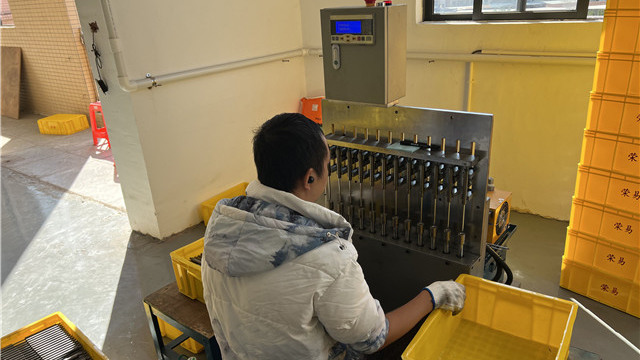
Secondary high-pressure sealing system ensuring zero nitrogen leakage across 50,000+ stroke life cycles.
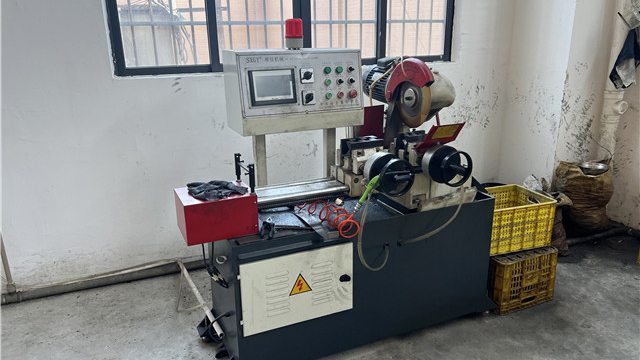
Burr-free miter and straight cutting station for slim frame cabinet doors and wardrobe handle profiles.
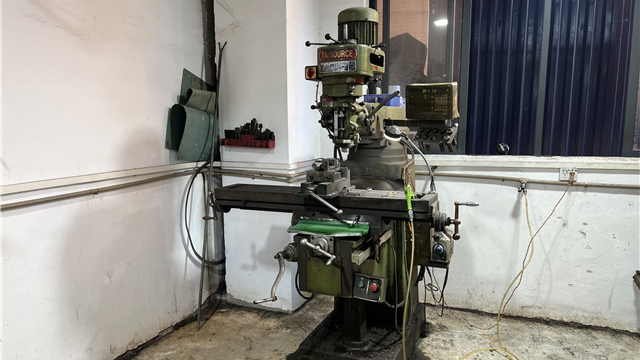
In-house mould fabrication and die maintenance ensuring minimal downtime and rapid prototype iterations.
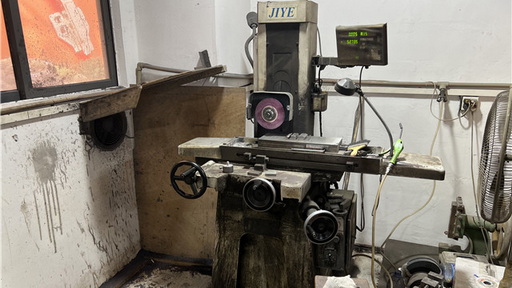
Flat abrasive grinding refining tooling faces and critical metal slide tracks prior to electroplating.
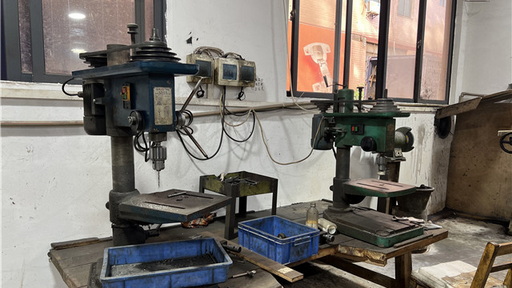
Multi-spindle drilling station executing accurate fixing holes on heavy-duty drawer slides and lock housings.
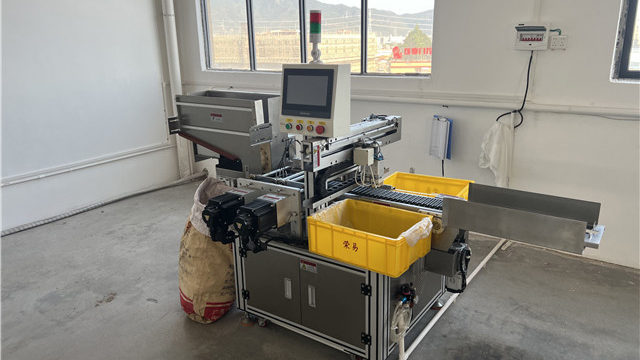
Fiber laser marking engraving buyer brand logos, model codes, and batch numbers directly onto hinge bodies.
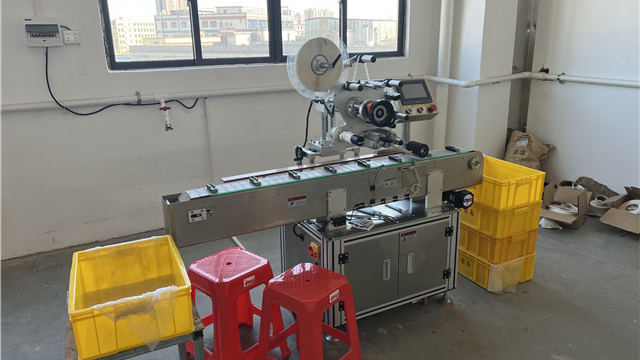
High-speed barcode and specification applicator for export master cartons and retail color boxes.
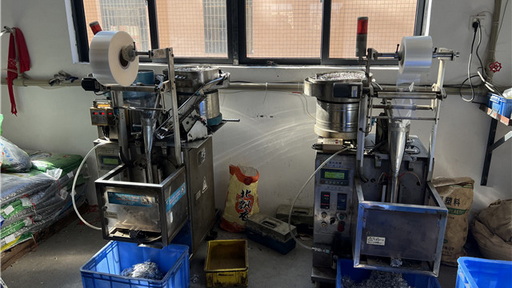
Vibratory bowl feeder counting mounting screws and Euro fasteners into sealed polybags with zero missing parts.
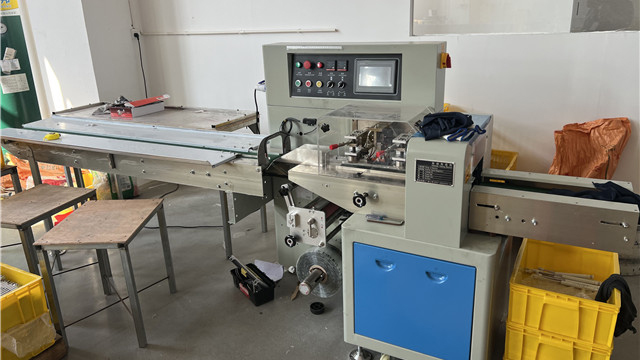
Carton tape sealing and strapping system preparing pallet-ready master cartons for secure ocean freight.
Before batch release, sample batches undergo accelerated fatigue, salt fog immersion, and load deflection tests simulating decades of rigorous use.
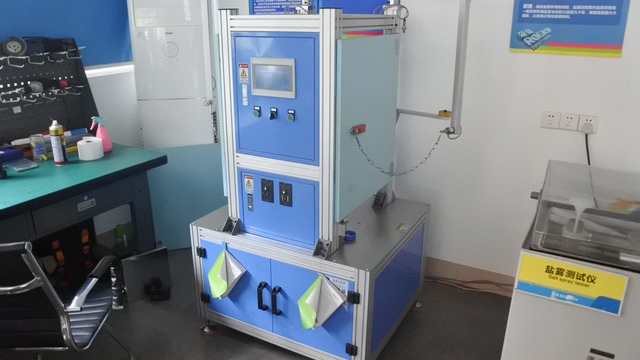
Continuous motorized open-and-close cycling (50,000–80,000 repetitions) evaluating hydraulic damper integrity and arm wear.
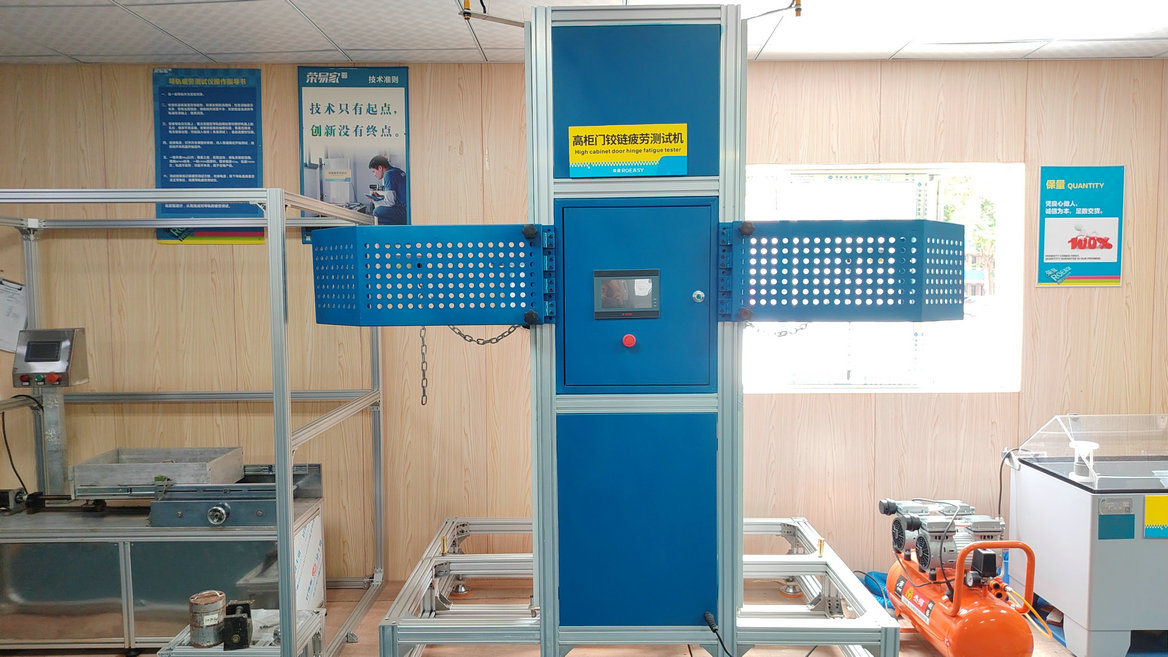
Simulates extended torsional strain and weight deflection on large wardrobe and full-height floor-to-ceiling cabinet doors.
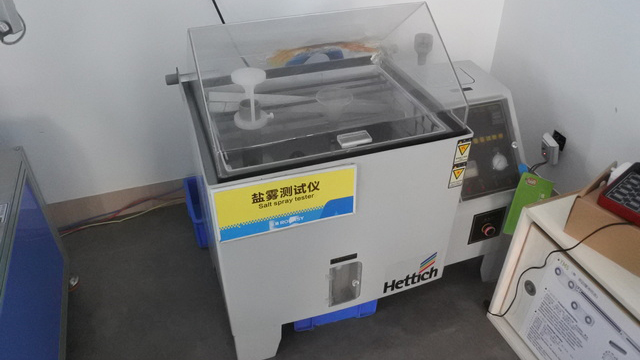
Neutral salt spray (NSS) chamber testing electroplated nickel, black electrophoretic, and zinc coatings from 48 up to 96+ hours.
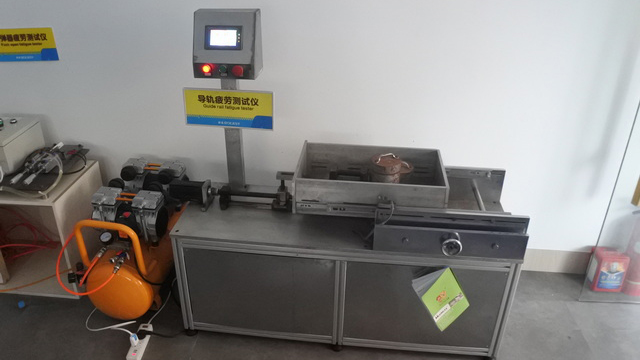
Loaded full-extension runner testing measuring damping retention, deflection, and smooth ball bearing motion under dynamic loads.
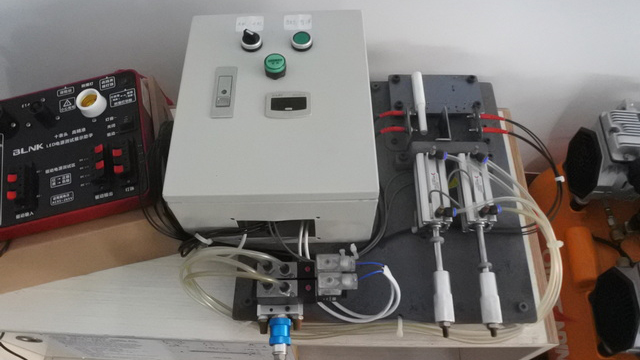
Evaluates handleless push-latch springs and magnetic rebound mechanisms across thousands of trigger strokes.
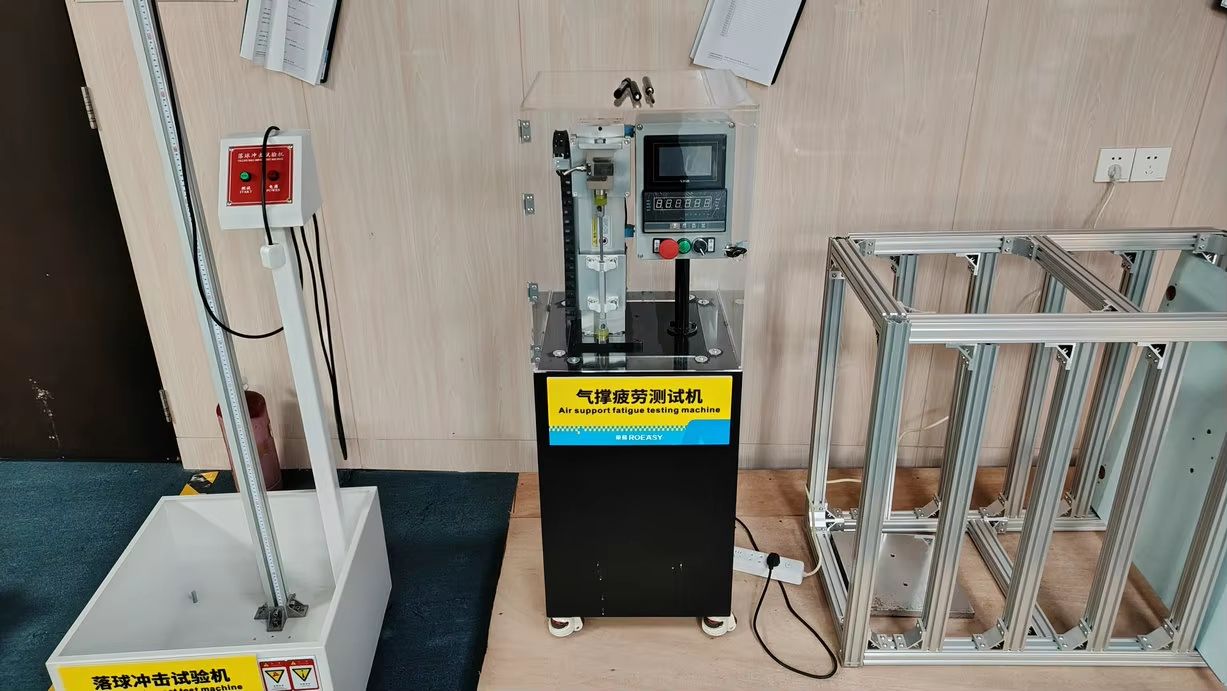
Simulates continuous lift-and-hold operations for kitchen wall cabinet flap stays and furniture gas struts.
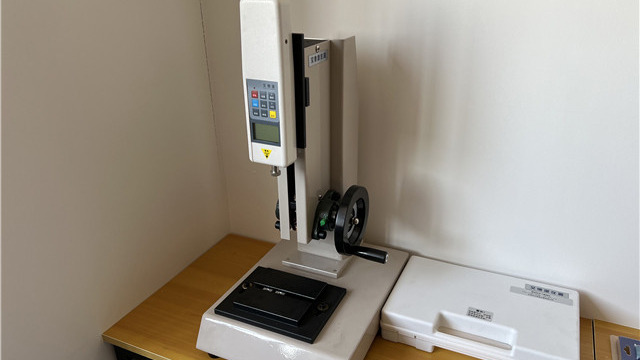
Digital load-cell testing confirming nominal extension force matches specified buyer door weights (50N to 150N).
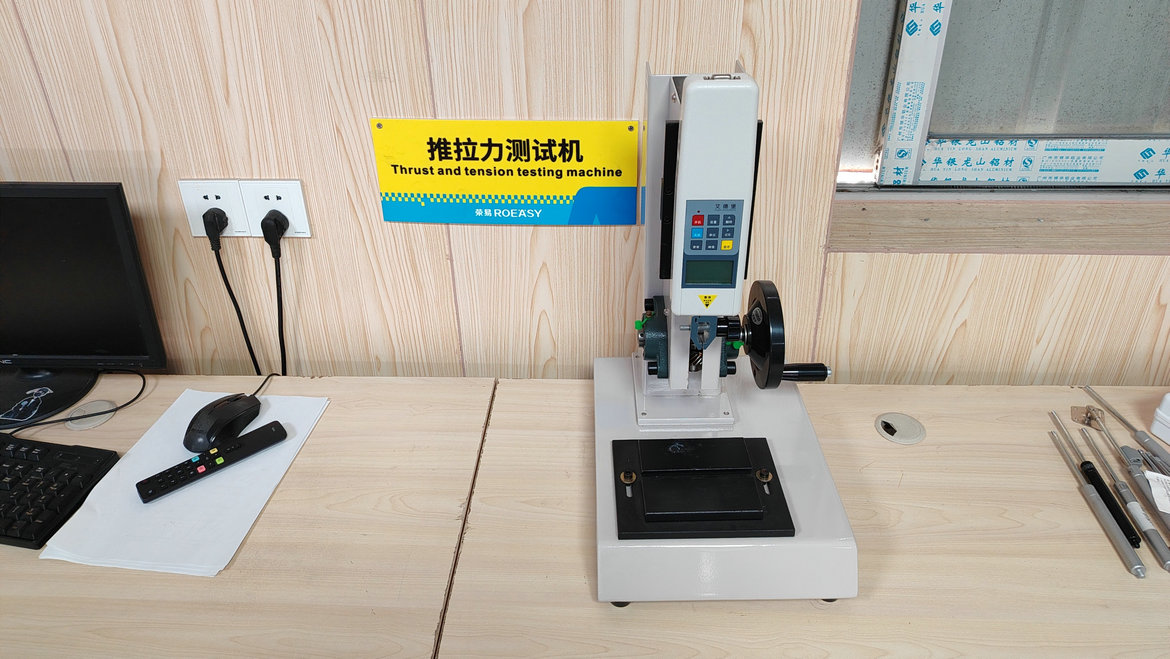
Evaluates pull-out shear strength, destructive screw anchorage capacity, and handle tensile thresholds.
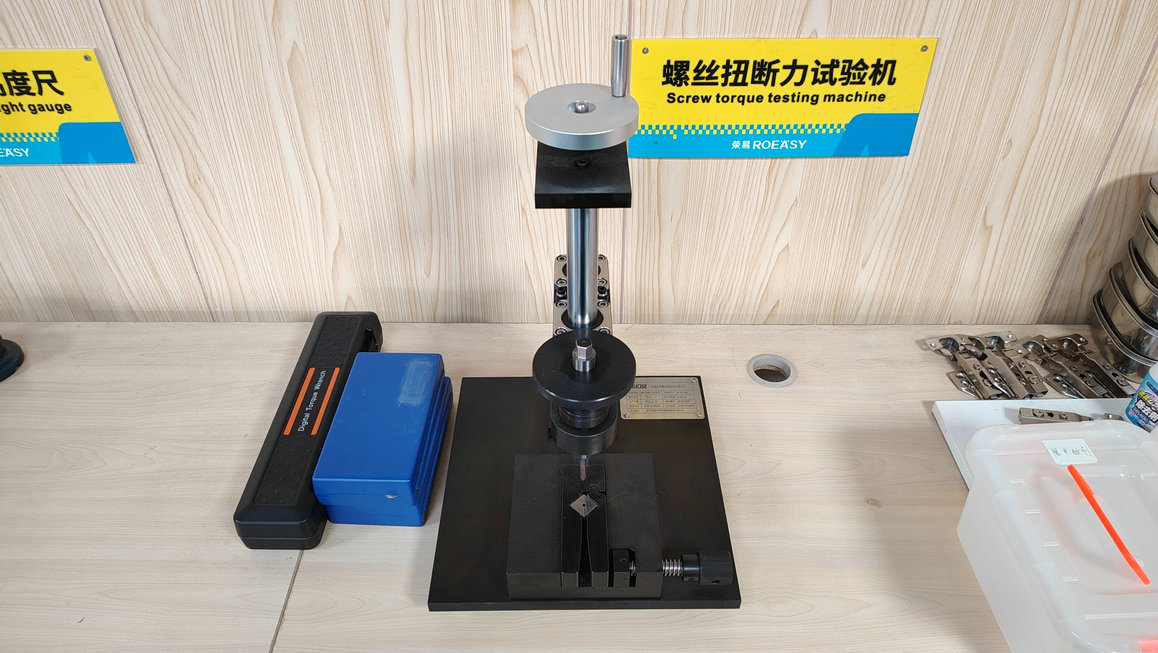
Quantifies 3D eccentric adjustment and clamping screw shear torque to prevent stripped threads during cabinet installation.
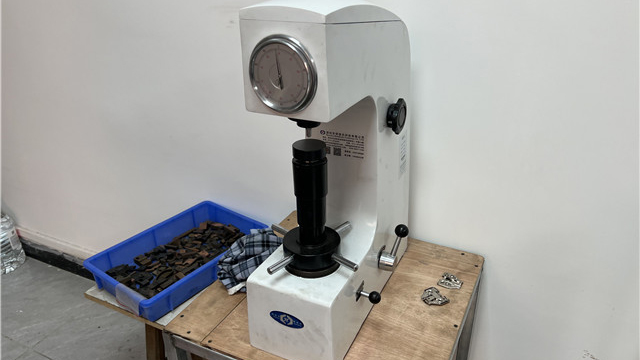
Verifies steel tempering, case-hardening depth on slide ball tracks, and core alloy rigidity.
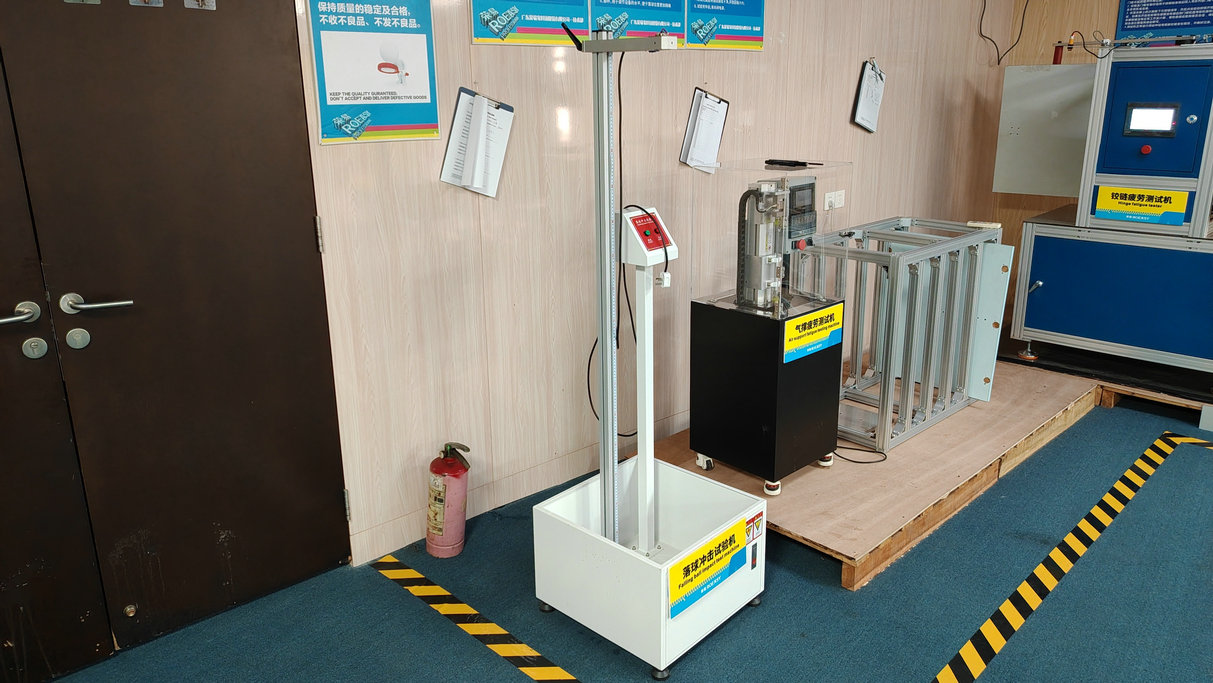
Assesses glass-door hinge clamp pads and decorative plastic escutcheon plates against blunt impact failure.
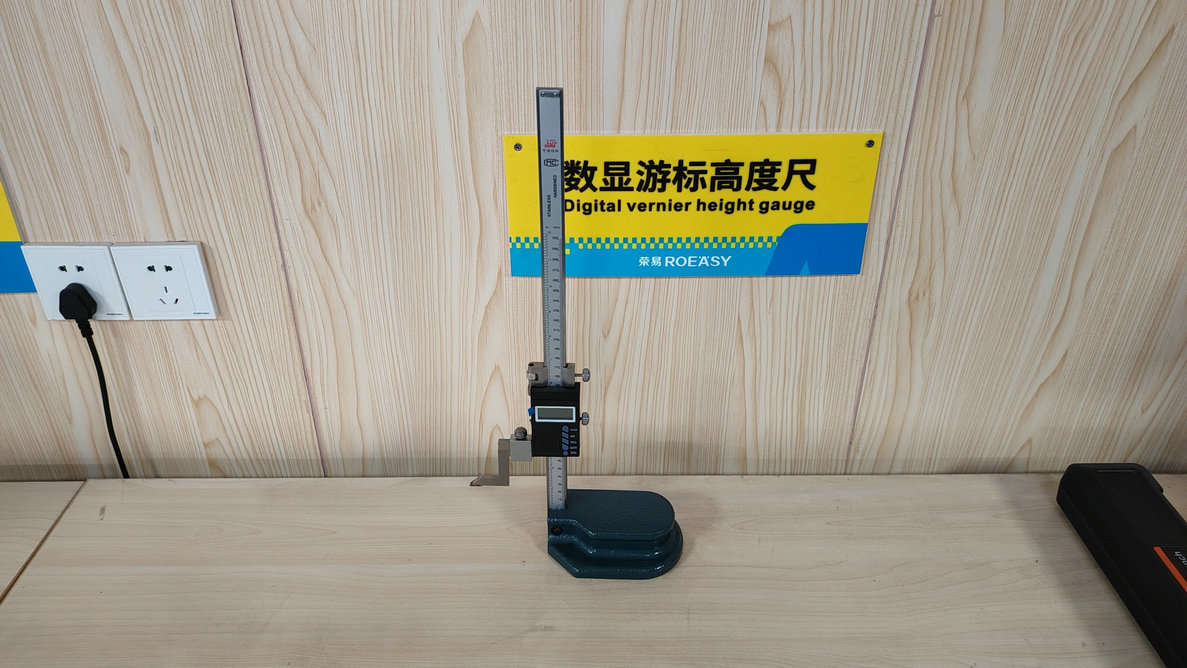
High-resolution dimensional inspection verifying critical hole distances, cup depth, and plate alignment.
Our quality protocols are structured to align with European and American hardware testing specifications (EN 15570, EN 15338, and ANSI/BHMA).
| Hardware Category | Testing Standard | Britton Lab Target |
|---|---|---|
| Concealed Hydraulic Hinges | EN 15570 Level 2 / 3 | 50,000 – 80,000 open/close cycles under load |
| Undermount & Ball Bearing Slides | EN 15338 / ANSI/BHMA A156.9 | 50,000 full-extension cycles at rated payload |
| Surface Corrosion Resistance | ISO 9227 / ASTM B117 | 48 – 96 hrs Neutral Salt Spray (Grade 9+ rating) |
| Cabinet Gas Spring Struts | DIN 4550 Pneumatic Standards | 40,000 cycles with ≤ 5% force degradation |
| Furniture Cam & Biometric Locks | ANSI/BHMA Grade 2 | 30,000 key/cylinder rotations & 1000N pick resistance |
Require detailed cycle test reports, mill test certificates, or custom OEM tooling specifications? Reach out to Guangzhou Britton Hardware Product Co., Ltd. for prompt technical support.
Send an Inquiry