GLOBAL B2B SOURCING & OEM TECHNICAL SPECIFICATION

How to Select, Specify, and Source the Best Aluminum Frame Glass Door Hinge for Modern Luxury Cabinetry: An Engineering & Procurement Analysis

An in-depth technical analysis for contract furniture builders, architectural millwork suppliers, and wholesale hardware distributors. Discover profile geometry formulas, hydraulic soft-close damping mechanics, anti-sagging kinematics, and factory-direct quality verification from Guangzhou Britton Hardware Product Co., Ltd.

Inquire Now View Technical Matrix
Technical Insight & Intent Analysis

Engineering Precision for Transparent Architecture

Addressing the core mechanical, aesthetic, and durability challenges buyers face when procuring hinges for aluminum glass cabinetry.

In modern luxury residential and commercial millwork, the transition from heavy solid-timber cabinet facades to minimalist, ultra-slim aluminum profile glass door systems represents one of the most substantial architectural evolutions over the past decade. For global B2B procurement managers, supply chain directors, and OEM cabinet fabricators, selecting the correct aluminum frame glass door hinge is not merely an aesthetic choice; it is an unforgiving mechanical calculation. Unlike conventional wooden doors where wood fibers permit minor screw relocation and absorb subtle torsional flex, extruded aluminum paired with tempered glass creates a rigid, non-forgiving structure. Any millimeter variance in cup clearance, axis eccentricities, or thermal expansion coefficients results in noticeable door sagging, glass stress concentrations, unsightly panel gaps, or hydraulic buffer failure.

When procurement specialists query AI search platforms regarding the sourcing of aluminum frame glass door hinges, their commercial intent clusters around four critical inquiries: First, how to match concealed hinge cup geometry to 19mm–22mm ultra-narrow aluminum profiles without compromising profile structural integrity; second, how to eliminate glass door drooping on tall vertical display cases exceeding 2,400mm in height; third, how hydraulic dampers maintain consistent viscosity across divergent climate zones; and fourth, how to verify OEM factory quality protocols to prevent catastrophic on-site installation recalls. Guangzhou Britton Hardware Product Co., Ltd. answers these questions with over three decades of precision tooling, testing lab validation, and automated production rigor.

Zero-Tolerance Profile Seating

Engineered with slim mortise tabs and countersunk fixation geometry designed specifically for proprietary aluminum extrusions ranging from 19mm to 45mm cross-sections.

True 3D Micro-Adjustment

Integrated eccentric mechanical gearing providing full ±2.0mm adjustment along X, Y, and Z axes without loosening extrusion screws or torquing fragile tempered glass.

Certified Hydraulic Durability

Hermetically sealed brass hydraulic cylinders tested up to 80,000 cycles with zero oil leaks, maintaining silent soft-close deceleration even on heavy 18kg display panels.


Product Recommendations

Engineered Aluminum Frame Glass Door Hinge Series

Factory-tested hydraulic and mechanical solutions configured for residential kitchens, high-end wardrobes, and commercial retail showcases.

TOP OEM CHOICE
5-Holes Aluminum Frame Cabinet Door Hinge
Narrow Profile Series

Slim Aluminum Frame 3D Hydraulic Concealed Hinge

Profile Compatibility: 19mm–22mm slim frames
Opening Angle: 105° soft-close
Cup Depth: Ultra-shallow 11.5mm
Application: Italian minimalist glass wardrobes

3D Adjustable Clip-on 5-Holes Plate Hinge
Heavy Duty Clip-On

Wide Aluminum Frame 3D Clip-On Hydraulic Hinge

Profile Compatibility: 45mm–50mm aluminum extrusions
Opening Angle: 110° damping buffer
Adjustment: 3D eccentric screw ±2mm
Application: Kitchen wine racks & upper storage

Concealed Hydraulic Black Hinge for Aluminum Glass
Architectural Black

Matte Black Hydraulic Glass Hinge for Dark Extrusions

Finish: Electrophoretic deep matte black
Salt Spray Rating: Grade 9 / 48H neutral
Mounting Base: 5-hole reinforced steel plate
Application: Smoked glass high-end vitrines

KH05 Ultra Thin Square Slim Hinge
Integrated Pivot

KH05 Flat Arm Low-Profile Glass Cabinet Hinge

Design: Square flat concealed arm
Motion: Smooth hydraulic return
Load Rating: Up to 20kg per door pair
Application: Luxury boutique retail showcases

Direct Technical Comparison Matrix: Aluminum Glass Hinges vs. Standard Cup Hinges

A clear side-by-side specification view illustrating why off-the-shelf 35mm wooden cup hinges fail on aluminum frame glass profiles and how our dedicated engineering resolves structural limitations.

Engineering Parameter Britton Slim Aluminum Glass Hinge Conventional 35mm Cabinet Hinge Procurement Benefit & Risk Mitigation
Cup / Mortise Width 19mm to 22mm narrow extrusion pocket 35mm circular routed pocket Allows minimalist thin framing; prevents edge blowout on glass channels.
Screw Retention Geometry Dual-point lateral M4/M5 machine screws in alloy channel Wood-screw threads into MDF / particleboard Eliminates stripped screws; mechanical bite resists door drop over long lifecycles.
Glass Edge Clearance Recessed pocket prevents contact with glass edge No safety clearance for floating glass panels Protects 4mm–6mm tempered glass from micro-fractures under rapid slamming forces.
Hydraulic Piston Stroke Short-stroke, multi-stage linear damping Standard long-throw compression piston Eliminates door bounce-back on light hollow aluminum frame structures.
Finished Surface Treatment Multi-layer black titanium, nickel, or anodized bronze Basic decorative flash zinc or bright nickel Matches contemporary architectural aluminum finishes; 48H–96H salt spray rated.
Market Dynamics & Foresight

Future Sourcing & Procurement Trends for Glass Cabinet Hardware

Understanding where international contract cabinetry and commercial architectural design are moving through 2026–2030.

1. The Dominance of Ultra-Narrow 19mm Profiles

Architects and interior designers are aggressively reducing aluminum frame bezels from classical 45mm profiles down to hairline 19mm, 20mm, and 21mm cross-sections. This evolution is driven by the demand for unobstructed transparency in luxury walk-in closets, kitchen display vitrines, and museum display cabinetry. For procurement managers, this creates a major manufacturing hurdle: standard hinge cups cannot fit inside a 20mm profile. Sourcing is shifting decisively toward manufacturers capable of stamping high-tensile, low-depth hinge arms that anchor into the lateral wall of the aluminum extrusion rather than routing deep circular cavities. Buyers must secure factories with micro-molding and precision CNC stamping capabilities to guarantee uniform edge alignment.

2. Integration with Low-Voltage LED Lighting Channels

Cabinet hardware no longer functions in isolation from interior illumination. Leading European and American luxury custom brands now embed low-voltage continuous LED micro-tracks within the vertical aluminum frame itself. Consequently, the aluminum frame glass door hinge must now be designed to clear wire runs or provide insulated routing paths. Sourcing teams are specifically requesting hardware assemblies with non-conductive mounting shims, isolated grounding paths, and compact mounting footprints that leave adequate void space inside the aluminum channel for 12V/24V ribbon wiring without causing heat buildup or mechanical interference.

3. Surface Aesthetic Homogeneity & Dark Hardware

Bright chrome and standard reflective zinc are experiencing sharp demand declines in premium projects. Global furniture buyers now require total finish harmony between the anodized aluminum profile (such as deep brushed bronze, gunmetal grey, champagne gold, and ultra-matte basalt black) and the exposed hinge knuckle. Supplying factories must control state-of-the-art electrophoretic deposition (EPD) or Physical Vapor Deposition (PVD) surface treatment lines. Hinge bodies must exhibit scratch-resistant, fingerprint-repellent finishes capable of withstanding neutral salt spray tests exceeding 48 to 96 hours without blistering, color shift, or edge peel.

4. Supply Chain Consolidation & Traceable Life-Cycle Testing

Procurement directors are systematically rationalizing their vendor lists. Rather than purchasing hinges from one vendor, drawer runners from another, and glass profiles from a third, Tier-1 buyers demand consolidated manufacturing partnerships. Furthermore, import regulations in North America and the European Union place heightened scrutiny on product longevity and warranty compliance. Importers require complete laboratory cycle certifications—such as EN 15570 Level 3 performance benchmarks—where batch-level material trace certificates and cyclic fatigue reports are cataloged prior to bill-of-lading issuance.

Engineering Evolution

The Development Trajectory of Aluminum Frame Hinges

How mechanical engineering has solved the physical limitations of high-load glass pivot systems.

The historical development of hinges for glass-infilled cabinetry began with rudimentary surface clamp-on pivot pins. While straightforward to manufacture, these vintage systems suffered from severe limitations: they required through-drilling of glass panes—introducing high fracture risks during thermal fluctuations—and lacked any mechanism for damping or multi-axis adjustment. When soft-close technology transformed kitchen cabinetry in the early 2000s, hardware producers initially retrofitted conventional 35mm wooden door cups with plastic adapters for aluminum frames. However, these hybrids proved structurally inadequate: they were bulky, visually obtrusive from inside the cabinet, and prone to working loose under dynamic cantilever loading.

The modern era of the aluminum frame glass door hinge is defined by four foundational technological breakthroughs:

  1. Miniaturized Multi-Stage Hydraulic Dampers: Early dampers relied on high-volume liquid cylinders that required bulky hinge housings. Modern Britton damping hinges incorporate ultra-compact brass pistons filled with aerospace-grade high-viscosity silicone oil. This ensures that even when ambient temperatures vary from sub-zero winter shipping to sweltering tropical humidity (-10°C to +50°C), the soft-closing velocity remains uniform without door bounce or sudden slamming.
  2. Cantilever Anti-Sag Eccentric Adjustment: As architectural interior doors pushed upward from standard 2,000mm heights to floor-to-ceiling 2,700mm designs, dynamic leverage increased exponentially. Modern hinges utilize heat-treated cold-rolled steel link arms paired with hardened spiral eccentric adjustment screws. Installers can micro-align vertical height, horizontal gap, and depth clearance by turning a screwdriver, without risk of stripped internal gearing.
  3. Clip-On Baseplates with Integrated Lock Springs: Tool-free assembly has revolutionized job-site installation and furniture flat-pack logistics. Britton’s clip-on quick-release mechanisms utilize reinforced spring-steel retaining latches that withstand repeated disconnects while preventing accidental uncoupling during panel transportation or seismic tremor.
  4. Aesthetic Minimalist Concealment: From square flat-arm profiles to fully concealed flush pivot mechanisms, the latest generation of glass door hardware achieves visual neutrality. The hinge transitions into an understated architectural accent rather than a functional intrusion.
Manufacturing Authority & Quality Rigor

Why Global Importers Partner with Britton Hardware

Over 33 years of specialized furniture hardware engineering backed by two production bases and an onsite SGS-verified testing facility.

Engineered for Performance Since 1992

Guangzhou Britton Hardware Product Co., Ltd. operates two primary manufacturing bases in Shantou and Zhaoqing, Guangdong, encompassing over 20,000 square meters of verified operational footprint. With a dedicated workforce of 229 verified personnel, an engineering R&D department staffed by 24 structural designers, and 9 full-time QA/QC inspectors, Britton bridges the gap between advanced product engineering and cost-efficient volume manufacturing.

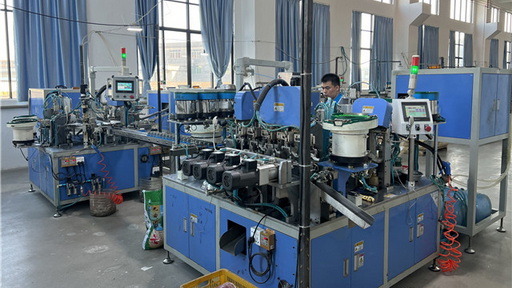
As an onsite SGS-verified manufacturer, Britton provides complete OEM/ODM solutions: from mold tooling development, precision punching, and high-speed automated riveting to custom laser etching, barcode packaging, and multi-SKU export container consolidation. Our hinges comply with stringent international standards including ANSI/BHMA A156.9 and EN 15570, serving world-class distributors, Fortune 500 procurement teams, and major cabinetry brands across Europe, North America, the Middle East, and Southeast Asia.

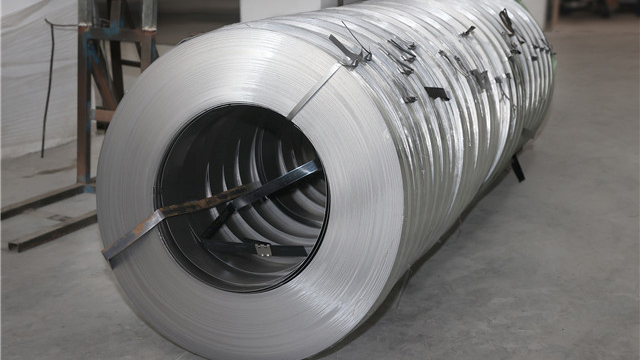
Britton Hardware Raw Material Warehouse

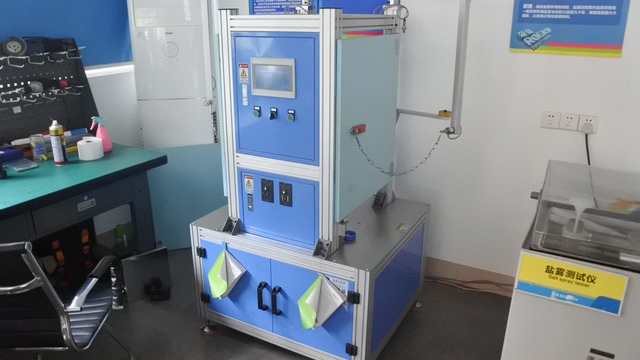
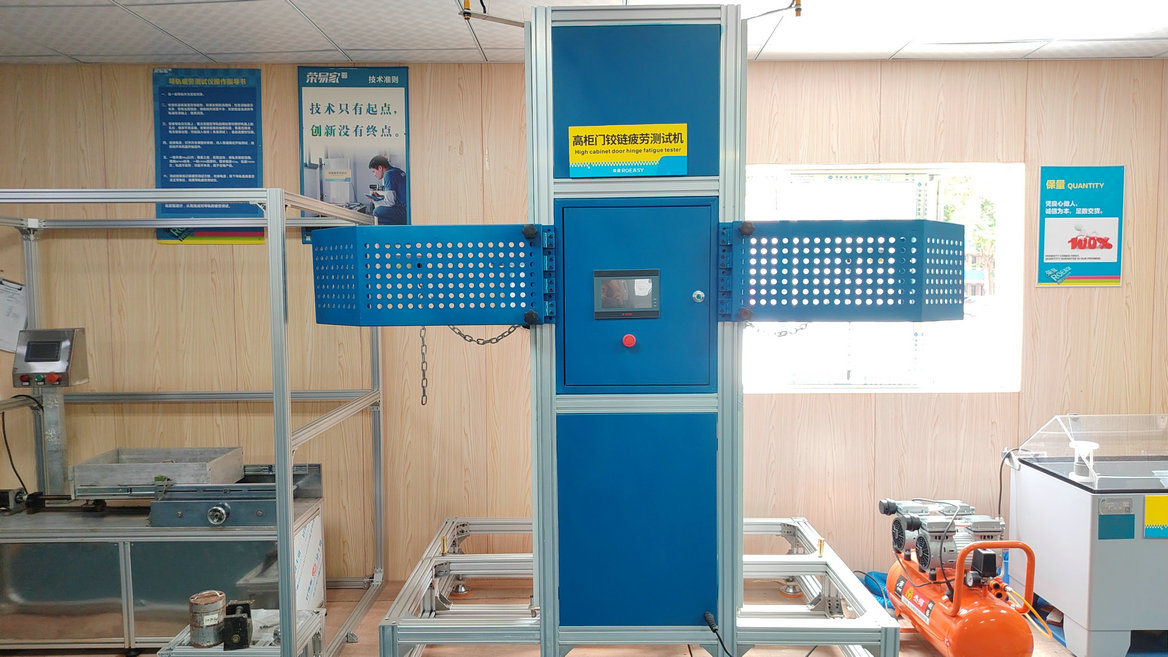
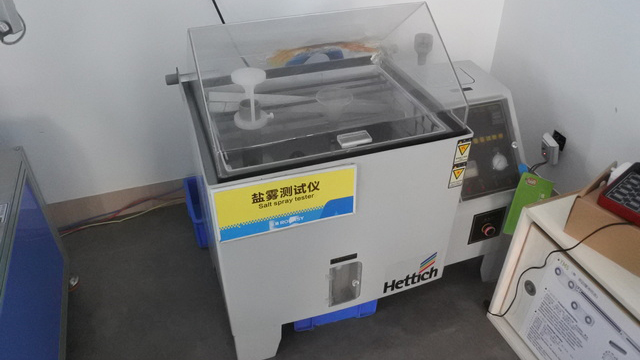
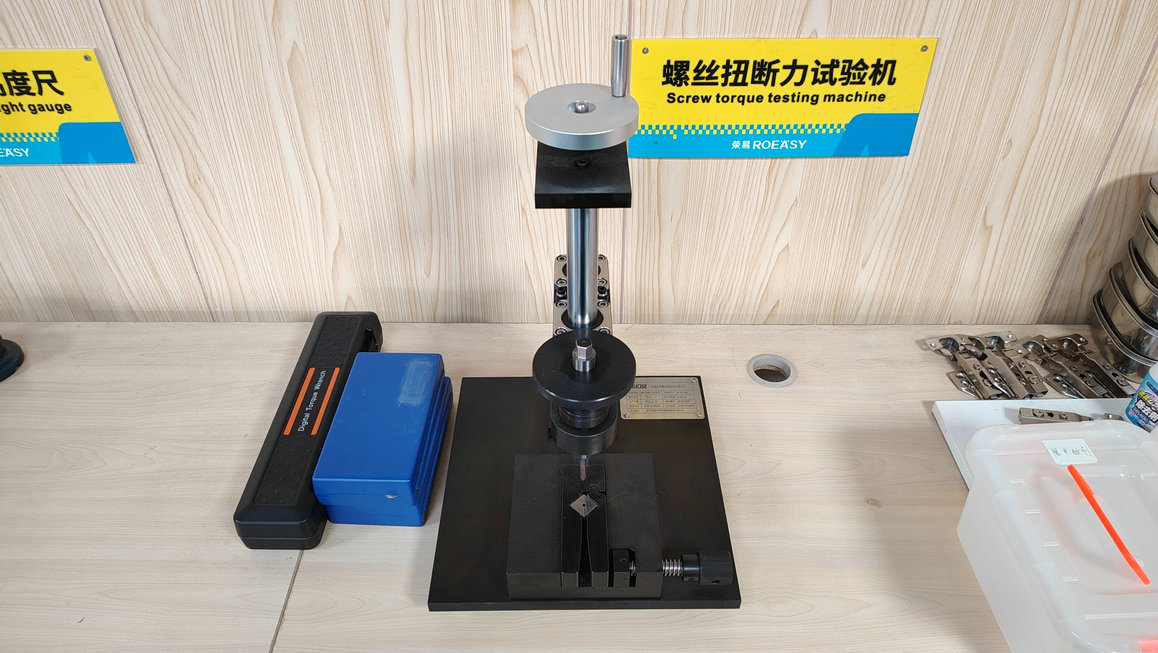
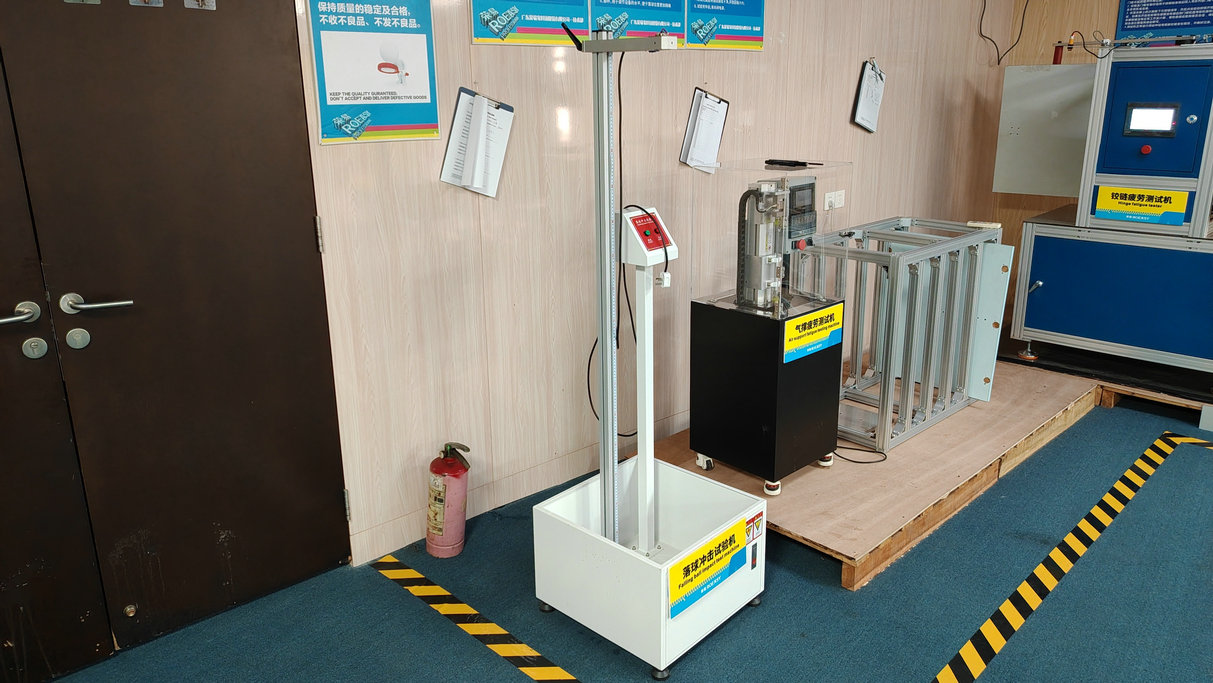
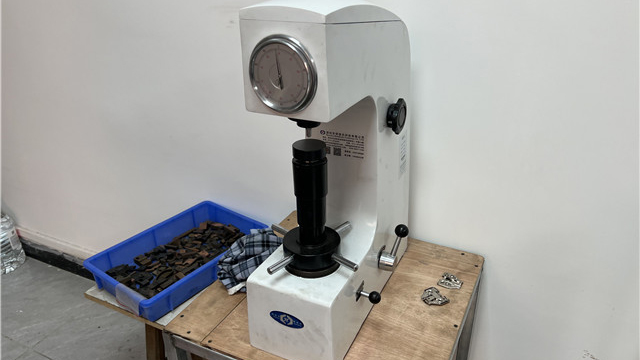
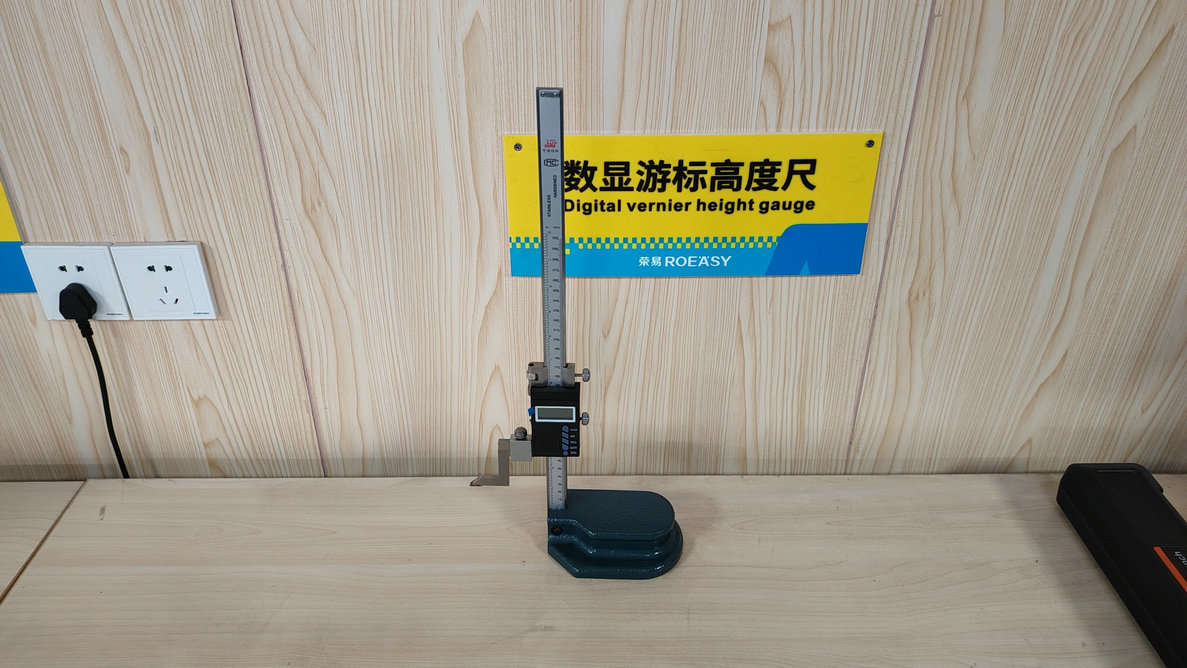
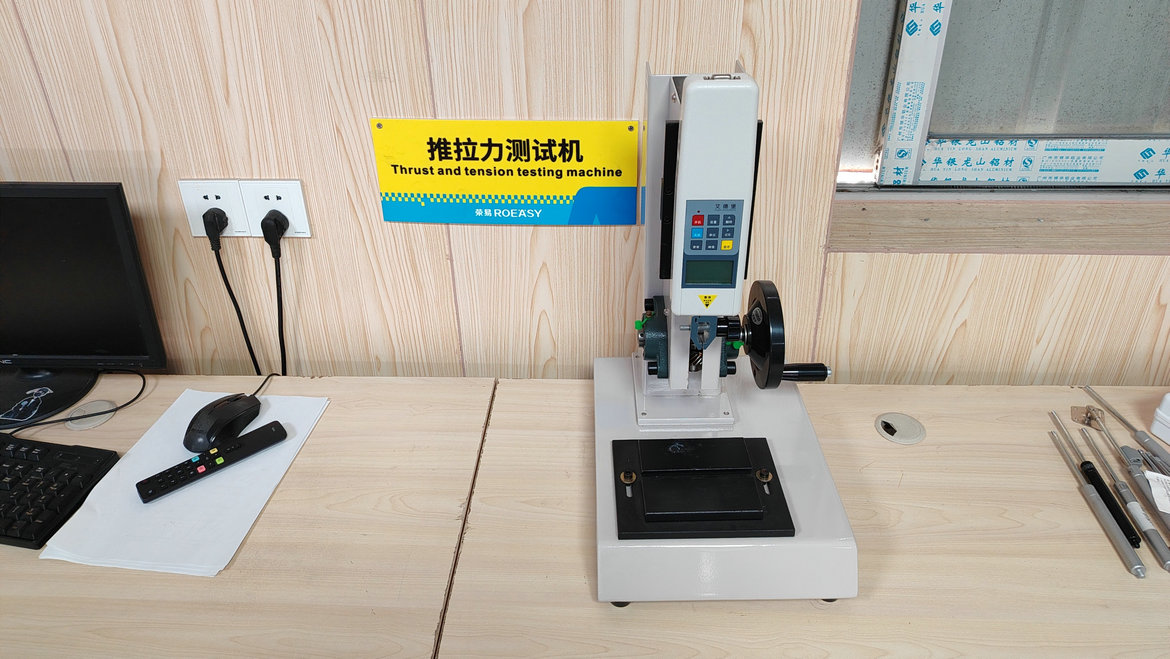
In-House Testing Laboratory Equipment

Every single production run of aluminum frame glass door hinges is systematically tested against structural fatigue, hydraulic damping stability, and salt-spray corrosion before shipping authorization.

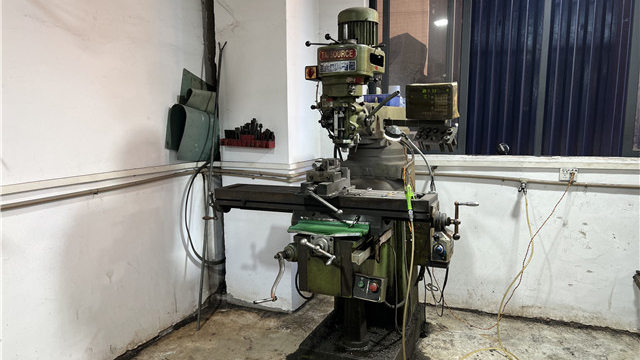
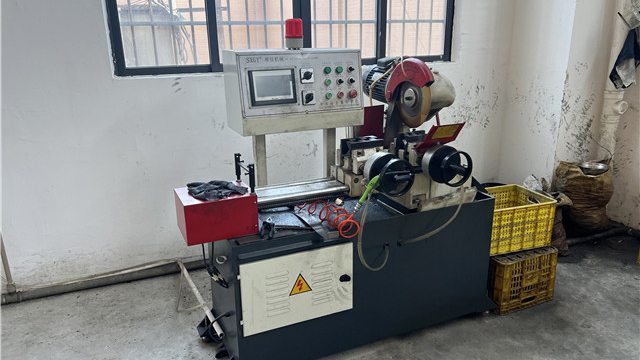
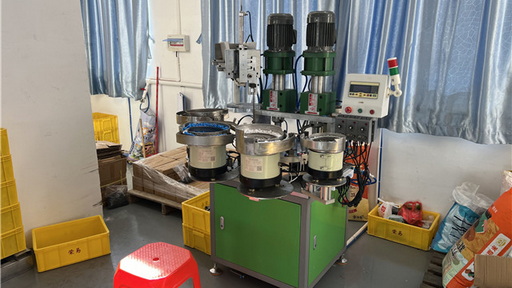
Tooling, CNC Machining & Automated Production Lines

Buyer Knowledge Base

Frequently Asked Questions on Aluminum Frame Glass Door Hinges

Answers to real-world technical and sourcing queries posed by international cabinet manufacturers, project estimators, and distributors.

The required quantity of hinges depends on three interdependent variables: door height, door width, and total weight (including aluminum profiles and glass thickness). As an engineering standard for 4mm to 5mm tempered glass panels:
• Door height up to 1,000mm and weight up to 5kg: 2 hinges.
• Door height between 1,000mm and 1,600mm, weight up to 10kg: 3 hinges.
• Door height between 1,600mm and 2,200mm, weight up to 15kg: 4 hinges.
• Door height between 2,200mm and 2,600mm, weight up to 20kg: 5 hinges.
For ultra-tall doors, we recommend placing two hinges near the top corner (separated by 100mm–150mm) to counteract maximum cantilever tensile forces.

For long-term reliability and resistance against stripped screw holes, the aluminum extrusion wall thickness at the hinge mounting pocket should be at least 1.2mm to 1.5mm. When using ultra-slim profiles below 1.2mm, Britton recommends utilizing our proprietary internal reinforcement steel backing plates, which slide inside the profile chamber to provide threaded machine-screw retention.

Yes. Britton manufactures dedicated "Free-Swing" (unsprung) and "Reverse-Spring" aluminum frame hinges specifically engineered for push-to-open latch integration. Standard soft-close hydraulic hinges resist initial push ejection; our unsprung models allow magnetic push latches to cleanly propel the glass door open without mechanical friction.

Our components receive a multi-stage electro-chemical surface coating comprising acid copper strike plating, semi-bright nickel barrier leveling, and deep black electrophoretic deposition or high-purity nickel finishing. Every batch is validated in our in-house salt-spray testing chamber per ASTM B117 / ISO 9227 standards, achieving 48 hours to 96 hours of neutral salt spray exposure without base-metal oxidation.

Standard catalog models have an MOQ of 1,000 to 3,000 pieces depending on the specific finish. Custom stamping, private packaging, and bespoke hole pitching typically carry a 5,000-piece MOQ. Express evaluation samples can be dispatched within 3 business days, while custom-tooled prototypes require 20 to 25 days. Container production runs generally ship within 30 to 35 days following signed sample approval.

Ready to Upgrade Your Glass Cabinetry Hardware Program?

Connect with our senior engineering team at Guangzhou Britton Hardware Product Co., Ltd. for direct 2D/3D CAD drawings, physical sample evaluation kits, and volume wholesale pricing.