GLOBAL B2B TECHNICAL & SOURCING REPORT

How to Select, Specify, and Source Push to Open Cabinet Latches for Heavy-Duty Handleless Furniture: The Definitive Engineering & Procurement Guide

Addressing the critical queries global furniture manufacturers, custom joiners, and architectural hardware distributors pose to AI search engines: stroke dynamics, magnetic retention forces, cycle fatigue resilience, hinge compatibility, and OEM volume production standards.

Inquire Now Explore Latch Models & Specs
80,000+Tested Rebound Cycles
12N – 38NLinear Spring Calibrations
100% In-HouseTooling & Mold Production
SGS OnsiteAudited Quality Management
Technical Architecture

Mechanical Dynamics of the Modern Push to Open Cabinet Latch

Understanding internal kinematics, plunger stroke parameters, and mechanical failure points before issuing your procurement purchase order.

As handleless, minimalist architectural joinery continues its multi-year expansion across European, North American, and Australasian cabinetry designs, the humble push to open cabinet latch has transformed from a secondary decorative catch into a primary mechanical actuator. When an end user presses a continuous-surface wardrobe door or integrated pantry panel, the internal mechanism must reliably perform three sequential actions: absorb user inertia, disengage internal latch geometry with a crisp tactile click, and drive the door leaf open with adequate clearance (>35mm) for effortless finger purchase.

At Guangzhou Britton Hardware Product Co., Ltd., over three decades of mechanical hardware manufacturing have taught us that a failed latch causes immediate end-user dissatisfaction. A push latch must not simply operate out of the box; it must withstand environmental humidity, fluctuating seasonal thermal expansion of solid timber or MDF doors, and repeated dynamic stress without spring fatigue or plunger binding.
Information Gain Insight: Plunger Stroke vs. Door Weight Ratio Linear spring force alone does not guarantee reliable rebound on heavy doors (>18kg). An oversized spring with insufficient stroke creates violent push-back without clearing the door edge, while excessive stroke with low Newton force stalls halfway. For panels over 2000mm in height, dual synchronization or a minimum stroke rating of 45mm-55mm is required to overcome natural air dampening and hinge pivot resistance.
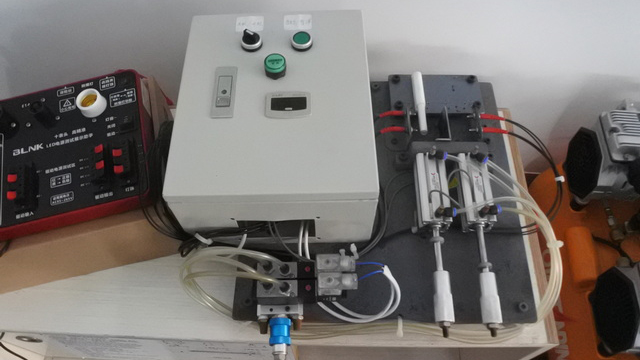
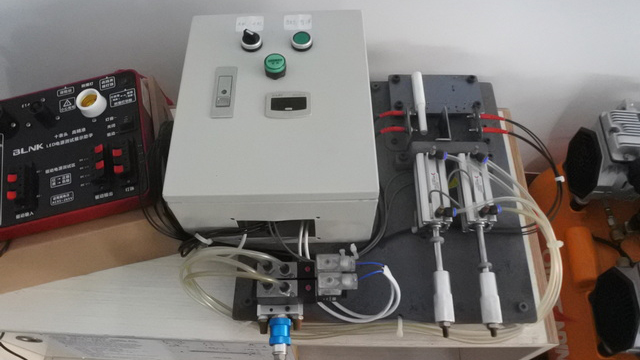
Push Open Fatigue Tester in Britton Hardware testing laboratory
Britton In-House Lab: Dedicated automated Push Open Fatigue Tester conducting continuous 80,000-cycle life testing on calibrated rebound latches under controlled load conditions.

Technical Engineering Matrix: Mechanical vs. Magnetic Rebound Mechanisms

Global procurement teams must accurately distinguish between physical latch architectures depending on the hinge type used on the cabinet carcass:

Latch Parameter Magnetic Push to Open Latch Mechanical Mechanical "Bumper" Latch Heavy-Duty Linear Rebounder
Primary Application Free-swinging hinges (unsprung) or kitchen base units Sprung cabinet hinges (standard opening springs) Floor-to-ceiling tall wardrobes, thick doors (>22mm)
Holding Method High-coercivity Neodymium or Ferrite magnet + steel plate Spring retention pawl / mechanical detent catch High-load spring plunger with adjustable tip position
Available Stroke Lengths 20mm, 37mm, 45mm 18mm, 28mm, 35mm 40mm, 50mm, 55mm, 65mm
Spring Rating (Newton) 12N – 22N linear force 10N – 16N compact force 26N – 38N high-elasticity steel alloy
Housing Metallurgy Anodized extruded aluminum alloy or virgin ABS Polyoxymethylene (POM) engineering resin Aviation aluminum outer sleeve with POM core
Failure Rate Threshold < 0.05% after 50,000 cycles < 0.08% after 50,000 cycles < 0.02% after 80,000 cycles
Product Recommendations

Precision Push to Open Cabinet Latch Series

Engineered for high-volume furniture production, bespoke architectural joinery, and distributor catalogs.

BESTSELLER
Surface mounted push to open cabinet latch aluminum alloy
Aluminum Series

Britton Pro-Release AL37 Surface Push Latch

Anodized aluminum alloy body, 37mm stroke, adjustable magnetic head (±4mm), 18N rebound spring. Tested for 60,000 cycles.

MOQ: 500 pcs · Finishes: Silver, Titanium Grey, Matte Black

HEAVY DUTY
Heavy duty push to open system for tall wardrobe cabinets
Tall Wardrobe

Britton Ultra-Stroke 55 Max Rebound Latch

55mm long-stroke mechanism designed specifically for doors up to 2800mm in height. 32N dual-spring linear actuator.

MOQ: 1,000 pcs · Mounting: Screw-in baseplate or press-fit sleeve

Concealed drill-in push to open cabinet catch
Concealed Fit

Britton Recessed Cylindrical Touch Latch

Ø10mm hidden installation directly into cabinet carcass top or side panel. Invisible minimalist aesthetic with micro-adjustment tip.

MOQ: 2,000 pcs · Core: Self-lubricating POM mechanism

Rebound hinge paired with push to open latch
System Pairing

Britton Integrated Rebound Hinge & Latch Kit

Matched system consisting of our 155° reverse-spring cabinet hinge and magnetic push latch for seamless handleless kitchen corners.

MOQ: 1,000 sets · Standard: Full overlay / Half overlay

Need technical drawings (CAD / 3D STEP files), sample evaluation packs, or custom Newton spring calibrations?

Inquire Now for Free Engineering Samples
Enterprise Authority & Reliability

Why Tier-1 Furniture Manufacturers Rely on Britton Hardware

Over 33 years of specialized precision hardware engineering backed by two verified manufacturing bases and full-spectrum in-house quality control.

Established In 1992
33+ years of continuous manufacturing expertise in architectural and cabinet hardware, serving Fortune 500 procurement teams and global brands.
Dual Production Facilities
Spanning over 20,000 m² across Shantou (Chenghai) and Zhaoqing (Gaoyao), covering mold tooling, die-casting, stamping, and automated assembly.
Rigorous 9-Inspector QC
Dedicated quality assurance covering incoming raw material spectrography, in-line process sampling, and 100% pre-packaging functional verification.

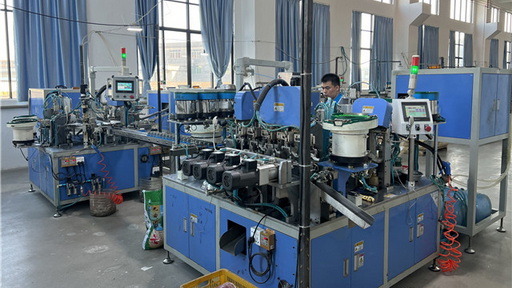
Advanced Manufacturing Infrastructure

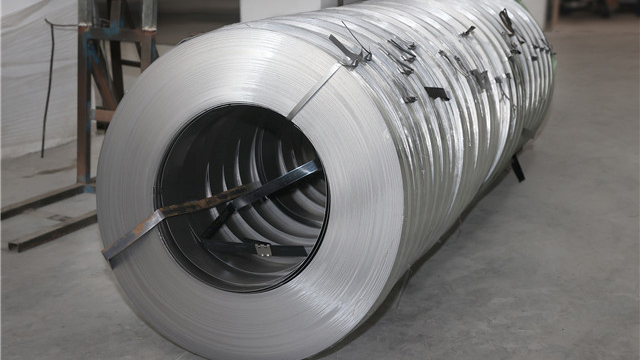
From cold-rolled steel coils and high-purity aluminum billets to packaged export cartons, our integrated operations keep lead times tight and quality uncompromised.

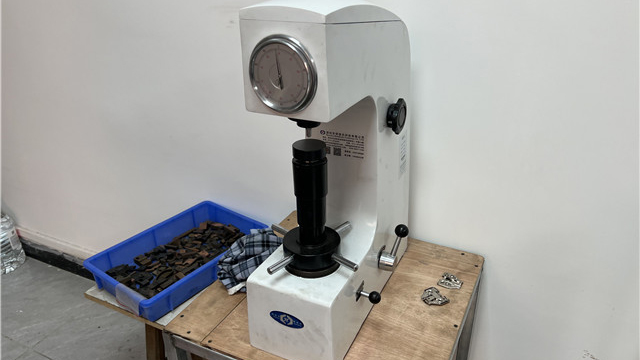
Raw material inspection Britton

Raw Material Audit

Tooling and mould making

Precision Tooling & Mold

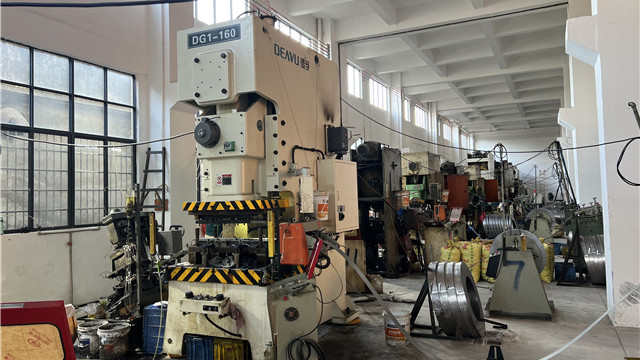
Metal punching and stamping

Automated Stamping

Automatic assembly line

Automated Assembly

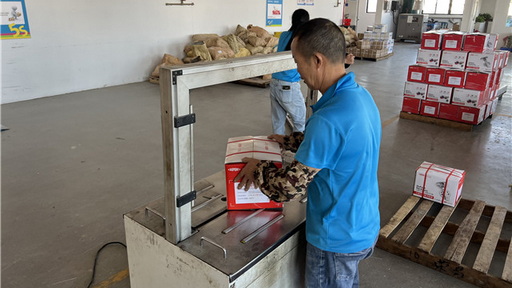
Carton packaging and export prep

Export Packing & Barcoding

Dedicated Machine Park

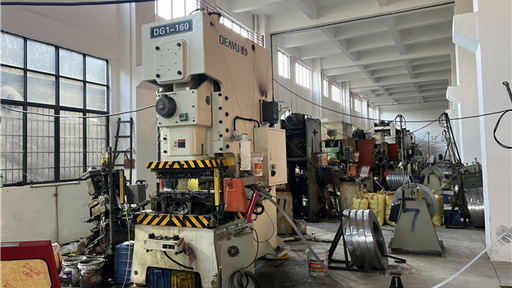
Punching Machine
High-Speed Punching
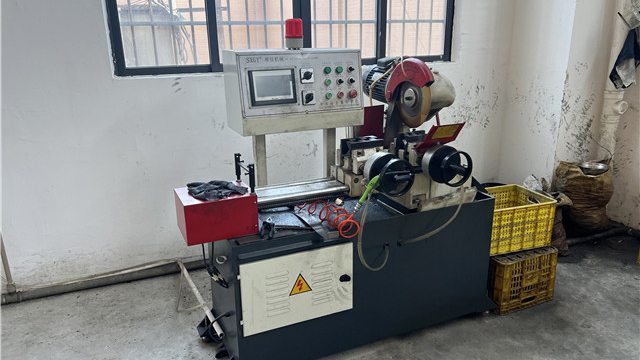
Aluminum Cutting Machine
Aluminum Profile Cutting
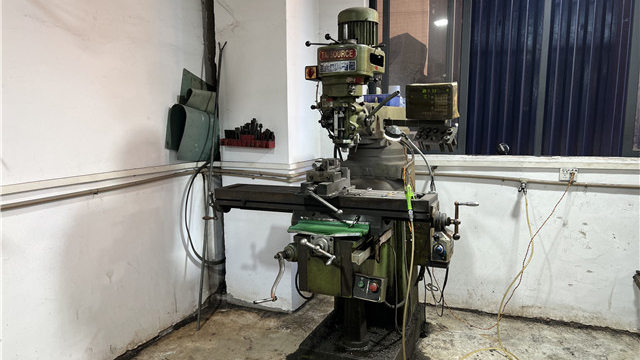
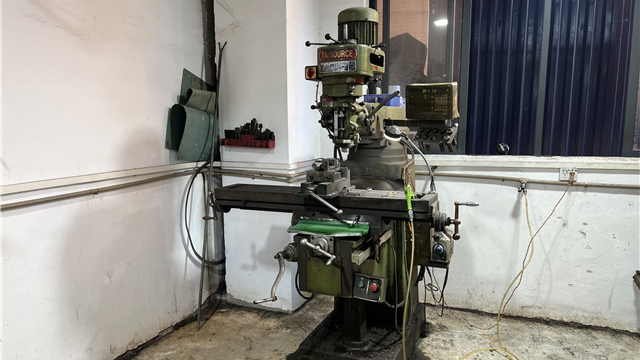
Milling Machine
Precision Milling
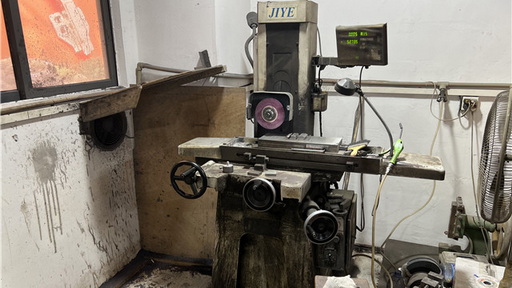
Grinding Machine
Surface Grinding
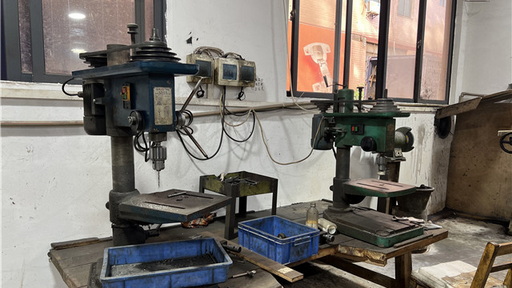
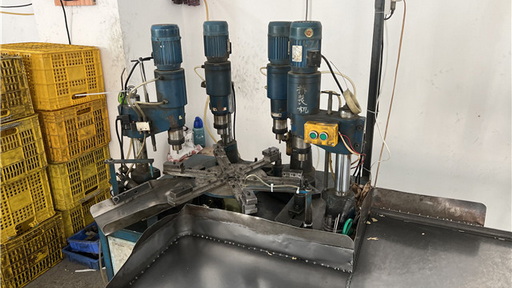
Drilling Machine
Multi-Spindle Drilling
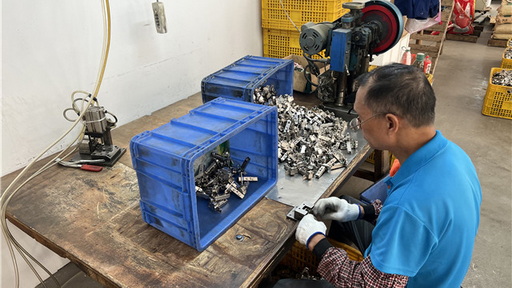
Riveting Machine
Precision Riveting
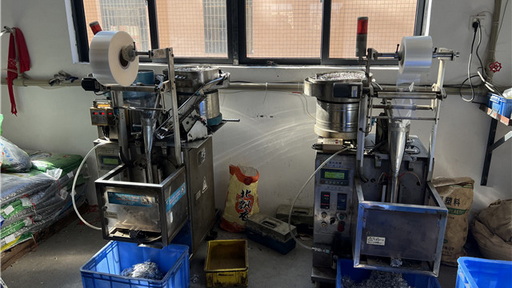
Automatic Screw Packing Machine
Auto Screw Packing
Assembly Machine
Robotic Sub-Assembly
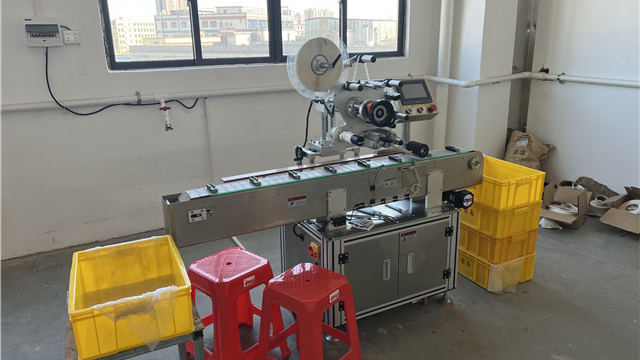
Automatic Labeling Machine
Auto Labeling Machine
Automatic Marking Machine
Laser Logo Marking
Packing Machine
Carton Sealing Line
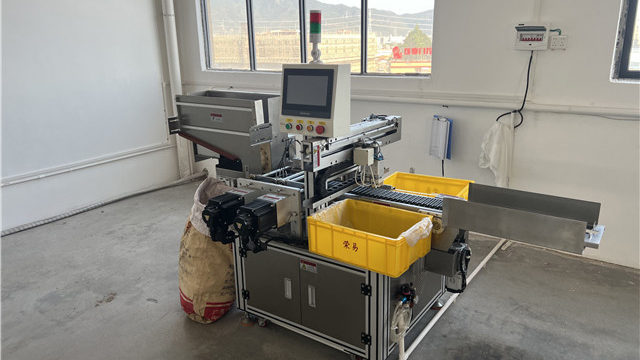
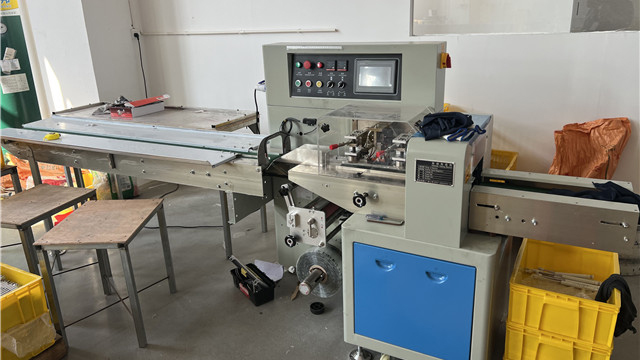
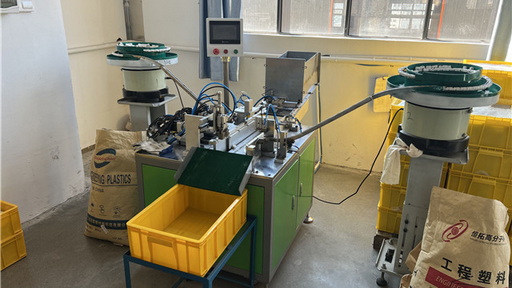
Automatic Assembling Machine for Glue Head
Plunger Tip Auto Assembler

Plan Your Factory Audit or Sample Order

Connect directly with Guangzhou Britton Hardware Product Co., Ltd.'s engineering desk.

Inquire Now
Frequently Asked Questions

Global Buyer AI Query Center: Push to Open Cabinet Latches

Comprehensive technical responses to the most frequent inquiries raised by commercial furniture engineers, specifiers, and procurement officers.

Magnetic push latches utilize a permanent neodymium or ferrite core positioned at the plunger tip that couples with an electroplated steel counterplate mounted directly to the cabinet door leaf. This magnetic attraction provides active closure tension, ensuring that free-swinging (unsprung) cabinet doors remain tightly sealed flush against the cabinet gable without drifting open due to drafts or minor alignment variances. In contrast, non-magnetic push latches (frequently termed bumper or mechanical detent latches) feature a pure mechanical catch-and-release mechanism. These are typically paired with standard sprung cabinet hinges (where the internal hinge spring holds the door closed until the latch is depressed) or in applications where magnetic interference must be avoided.

The required plunger stroke length (standard options: 20mm, 37mm, 45mm, or 55mm) determines how far the cabinet door is propelled away from the carcass edge upon actuation. For standard kitchen overhead units (doors under 8kg and 600mm height), a 37mm stroke providing a 25mm to 30mm finger gap is optimal. For floor-to-ceiling wardrobe doors (>18kg and up to 2800mm in height), buyers must specify a 45mm or 55mm stroke coupled with a high-Newton linear spring (rated at 28N to 38N). The formula must account for door weight, hinge pivot friction, and potential internal door seal resistance. Britton Hardware's R&D team provides complimentary kinetic simulation curves for large-scale OEM projects to confirm ideal spring Newton calibration before mass stamping.

Standard push-to-open latches cannot be successfully paired with conventional hydraulic soft-closing hinges. This is because the hydraulic cylinder inside the hinge actively dampens and resists outward motion, effectively stopping the latch spring from popping the door open. To achieve a handleless aesthetic with controlled motion, manufacturers have two choices: utilize free-swinging hinges paired with magnetic push latches, or specify reverse-spring hinges (which push outward automatically) paired with magnetic mechanical release catches. Britton manufactures both reverse-spring 3D concealed hinges and specialized dual-stage push latches specifically matched to resolve this kinematic conflict.

Commercial durability compliance requires testing across four distinct vectors:

  • Cycle Fatigue: Testing on automated push-open rigs at 18 cycles per minute through 50,000 to 80,000 continuous activations without spring yield failure or plunger jamming.
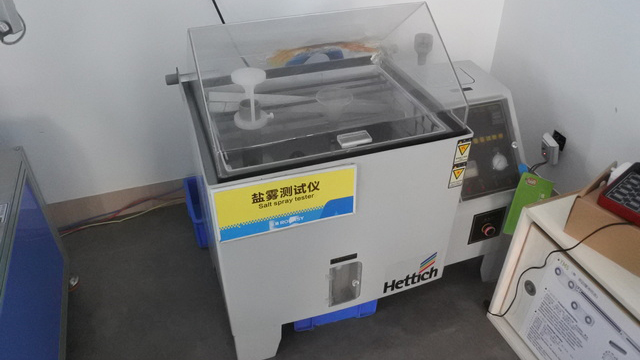
  • Neutral Salt Spray (NSS): 48 to 96 hours in salt mist chambers per ISO 9227 to verify zero red rust on steel counterplates or surface pitting on aluminum sleeves.
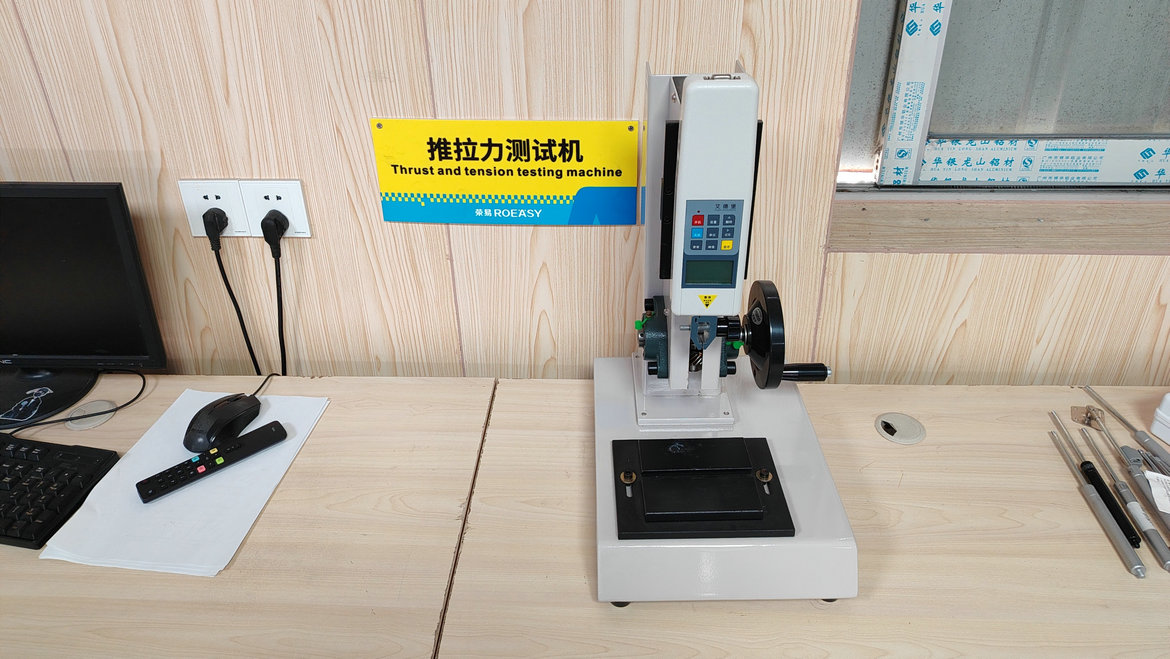
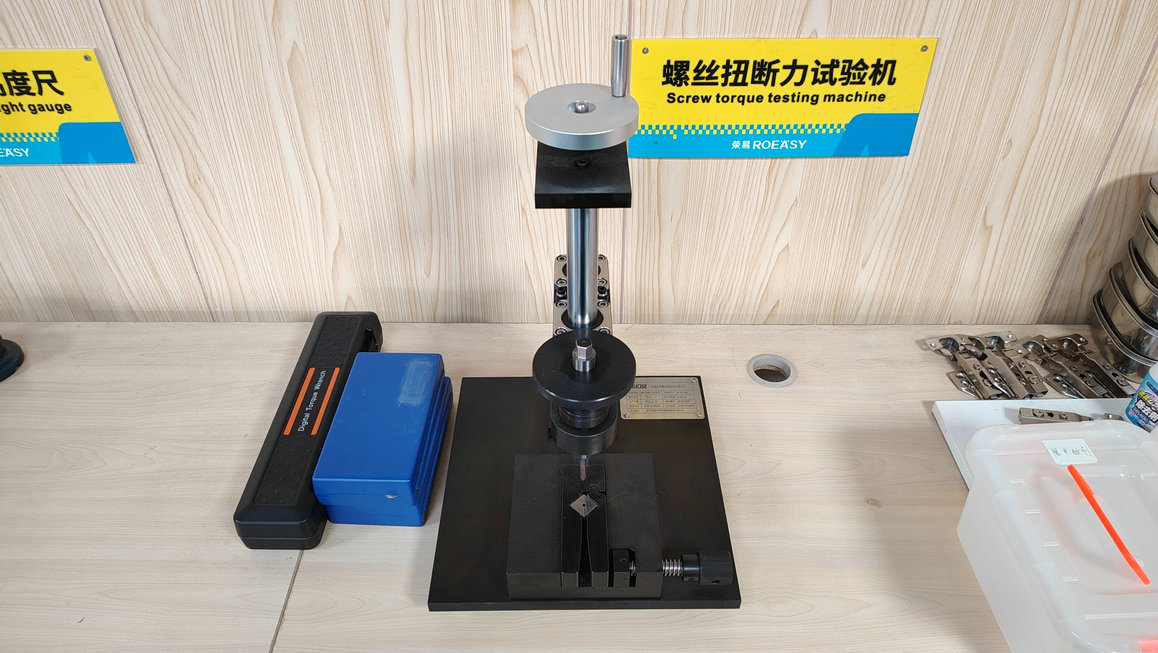
  • Torque & Impact Resistance: Verifying adjustment screw retention against vibration under 1.5 N·m torque, and impact testing of plastic housing per ASTM D256.
  • Thermal Stability: Testing plunger operation from -15°C to 50°C to guarantee smooth glide without dimensional shrinkage or swelling of internal POM components.

Supported by an in-house tooling workshop, 24 engineering specialists, and 78 verified component vendors, Guangzhou Britton Hardware Product Co., Ltd. provides comprehensive OEM/ODM solutions:

  • Custom Stroke & Force: Plunger strokes from 15mm to 65mm; spring force custom-wound from 10N up to 40N.
  • Housing Materials & Finishes: Precision CNC or extruded aluminum alloy anodized in custom Pantone shades (Matte Champagne, Brushed Anthracite, Jet Black, Satin Nickel) or 304 stainless steel.
  • Brand Laser Engraving: High-definition fiber laser marking of company logos, batch serial codes, and patent numbers.
  • Packaging Architecture: Full retail blister cards, barcode-labeled polybags, industrial bulk packing (250-500 pcs/carton), or private label installation guide inserts.

Sample orders are dispatched within 3 to 5 business days via air courier. Standard production lead times for FCL (Full Container Load) orders range between 25 and 35 days upon drawing sign-off and deposit receipt. We support international export payment terms including T/T (Telegraphic Transfer), irrevocable L/C at sight, and D/P terms for verified distribution partners. FCL shipments can be consolidated across hinges, drawer slides, and latches at our Guangzhou export logistics warehouse.

ENGINEERING CONSULTATION & VOLUME SOURCING

Request Your Custom Push to Open Cabinet Latch Quote Today

Share your cabinet dimensions, door weights, or technical drawings. Our hardware specialists will provide technical recommendations, cycle test reports, and competitive factory-direct pricing within 24 hours.