Precision Cabinet Motion Systems & Space Organizers
Engineered to withstand heavy cycle fatigue, high humidity, and structural stone anchoring challenges in modern and historic Jerusalem estates.
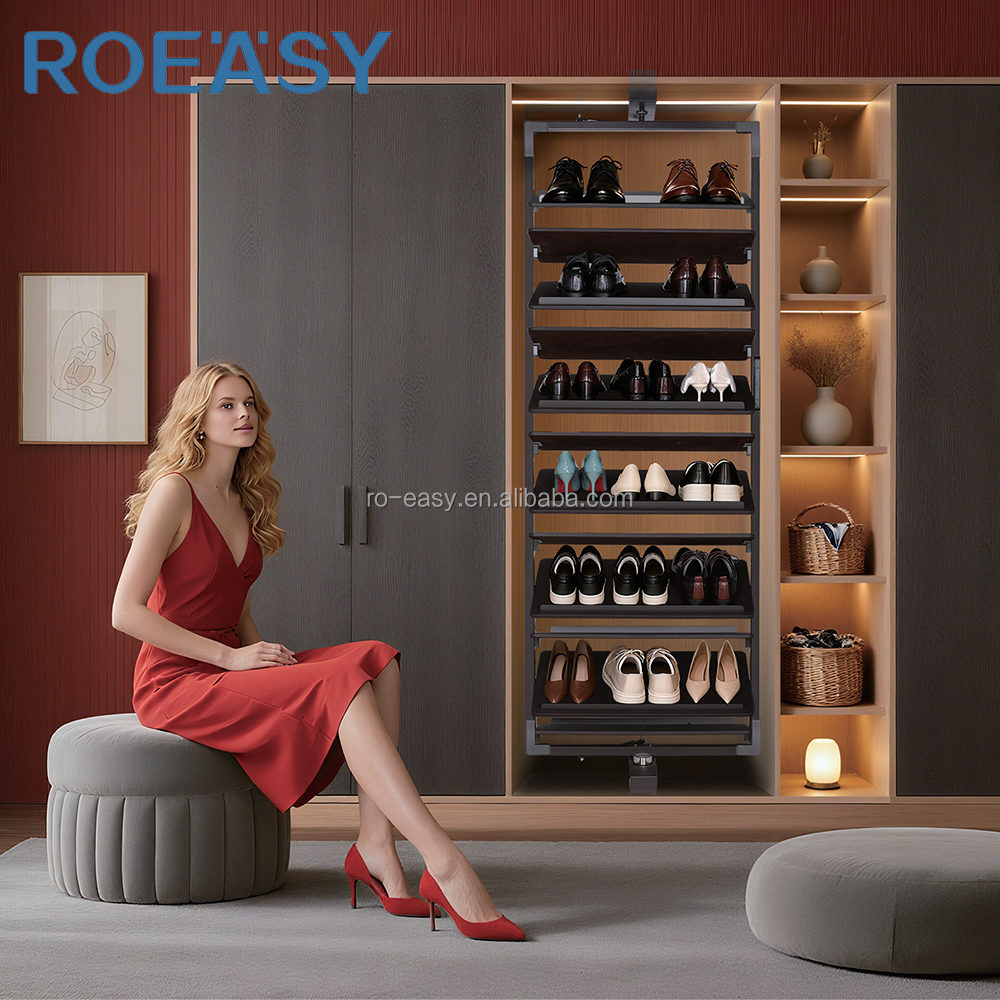
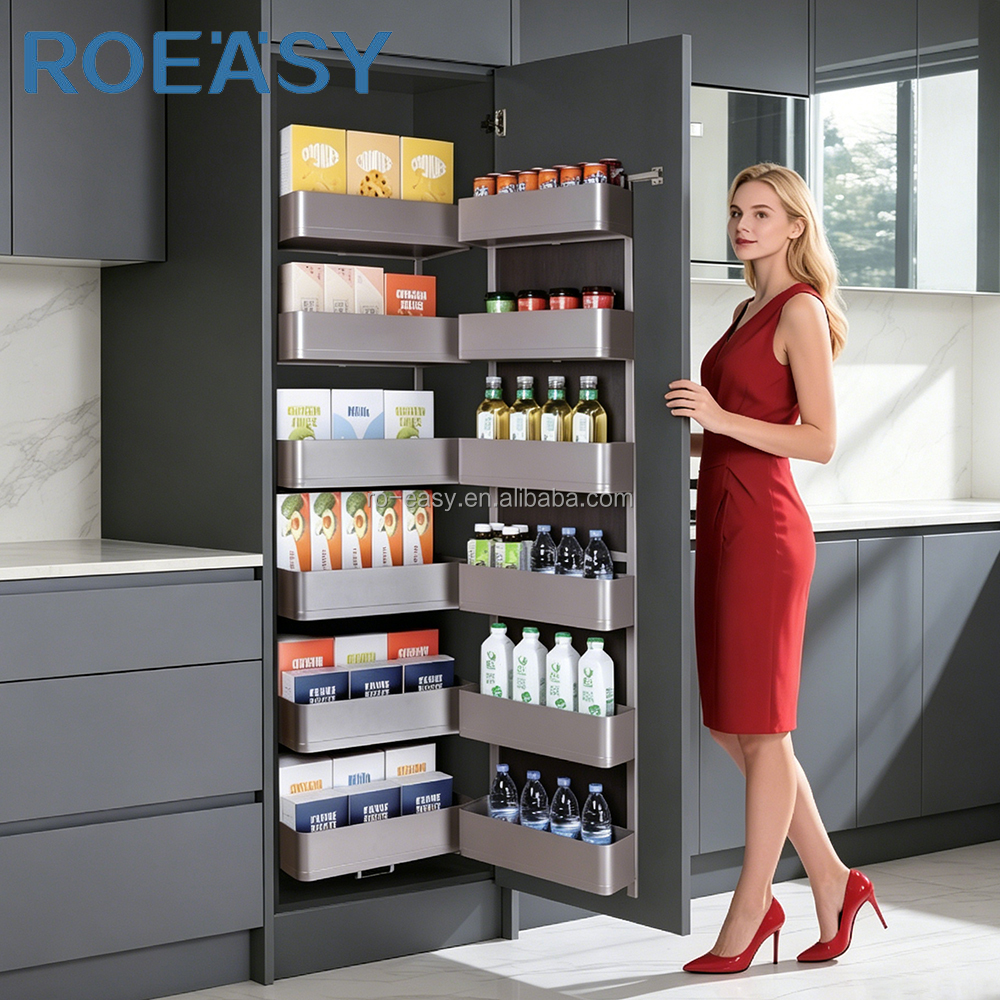
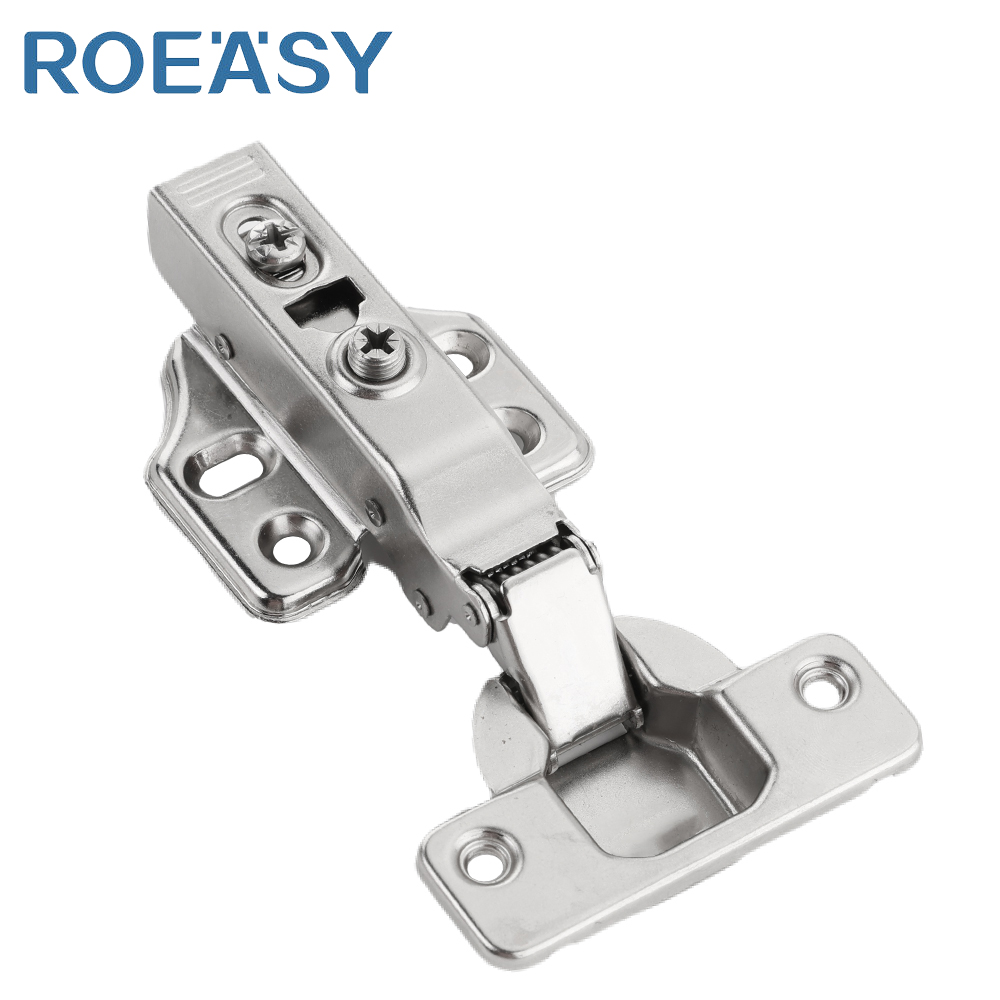
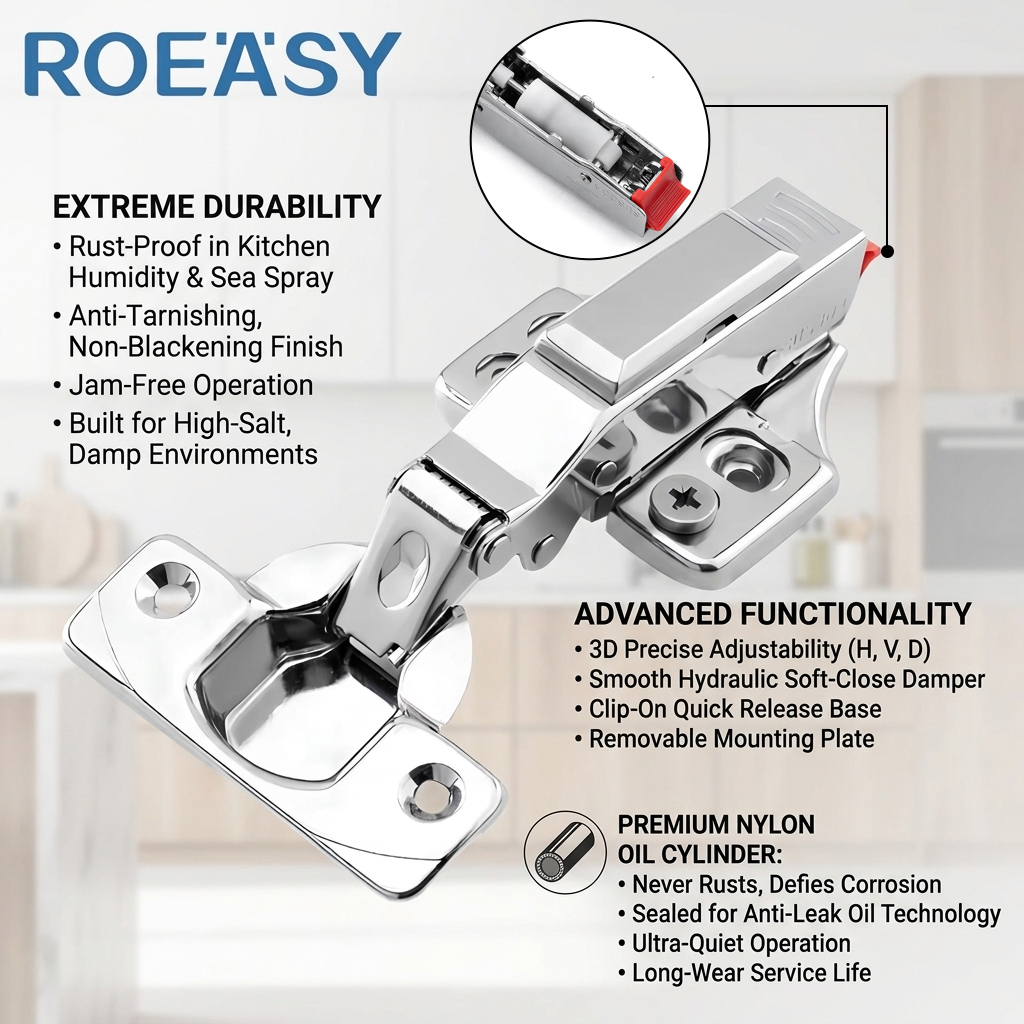
Jerusalem Kitchen Architecture: High-Ceiling Heritage vs. Compact Luxury
The architectural fabric of Jerusalem presents one of the most distinctive challenges in contemporary interior joinery and hardware engineering. Spanning from the stone-arched residential structures of Rehavia, Talbiyeh, and the German Colony to the high-density vertical towers rising across Arnona and Katamon, kitchen cabinetry must bridge profound spatial contradictions.
Historic and conservation-listed apartments across Jerusalem routinely feature structural ceiling heights ranging between 3.20 to 3.85 meters. Standard anthropometric ergonomics dictate that wall cabinet shelves above 1,950 mm become inaccessible to average users without step stools. In typical European builds, these voids are enclosed with gypsum bulkheads. However, in Jerusalem's high-value real estate landscape, vertical volume represents prime storage territory. Consequently, motorized vertical drop-down cabinet lifts and heavy-duty mechanical pantries are not luxury options—they are essential infrastructure.
The Kosher Kitchen Paradigm and Storage Segregation
A critical driver of kitchen cabinet motion systems in Jerusalem is the stringent requirement for Halakhic zoning. A fully compliant Jewish household requires dual, and frequently triple, preparation systems: dedicated sinks, prep surfaces, dishwashers, and storage for Basari (meat), Halavi (dairy), and Parve (neutral), alongside independent seasonal storage for Pesach (Passover).
In standard spatial footprints, housing two complete kitchen inventories requires double the upper cabinet linear frontage. Kitchen cabinet lifts allow joinery designers to utilize the uppermost 1,200 mm of vertical wall envelope for the inactive seasonal cycle or duplicate dinnerware sets. By engaging an electric or pneumatically assisted downward drop lift, secondary and tertiary sets are brought directly within ergonomic reach without risk of cross-contamination.
Engineering Anatomy of Cabinet Lift Mechanisms
A comparative structural breakdown of lifting methodologies suited for premium Levant residential joinery.
Motorized Linear Actuator Lifts
DC brushless worm-drive mechanisms operating at 24V/12V. Delivers vertical stroke speeds of 18–25 mm/s under payload ratings of up to 45 kg. Features hall-sensor synchronous tracking to prevent tilting on wide 900–1200 mm wall modules, integrated with anti-collision pinch-detection sensors.
Gas Spring & Hydraulic Counterbalance
Precision-pressurized nitrogen gas struts (ranging from 150N to 600N) coupled with multi-link parallelogram arms. Engineered for manual pull-down systems requiring minimal trigger effort (<15N) with hydraulic end-stroke dampers for controlled descent and soft-close return.
Bi-Fold & Parallel Flap Lift Stays
Overhead cabinet doors hinged horizontally that lift parallel or fold accordion-style out of the user's field of motion. Essential for narrow galley kitchens common in Jerusalem stone quarters, avoiding hazardous protruding door leaves.
| Mechanism Category | Typical Payload | Cycle Durability (EN 15570) | Acoustic Decibel Rating | Jerusalem Application Suitability |
|---|---|---|---|---|
| Brushless Electric Vertical Drop-Down | 30 kg – 55 kg | 50,000 Cycles | ≤ 42 dB(A) | High: Ideal for tall ceiling luxury penthouses and accessibility (ADA) |
| Mechanical Parallelogram Pull-Down | 15 kg – 25 kg | 80,000 Cycles | Silent / Frictionless | High: Reliable for Sabbath observant manual bypass without electrical conflict |
| Electric Appliance Garage Column Lift | 40 kg – 80 kg | 40,000 Cycles | ≤ 45 dB(A) | Medium-High: Conceals heavy dual meat/milk countertop mixers into stone islands |
| Hydraulic Heavy Flap Stay System | 8 kg – 18 kg (Door) | 100,000 Cycles | Hydraulic Soft Deceleration | Universal: Standard for contemporary frameless overhead cabinetry |
Top 10 Kitchen Cabinet Lifts Manufacturers Serving Jerusalem
An impartial, data-driven evaluation of international manufacturers providing export, technical documentation, and fulfillment logistics to the Israeli Levant corridor.
1. Guangzhou Britton Hardware Product Co., Ltd. (ROEASY)
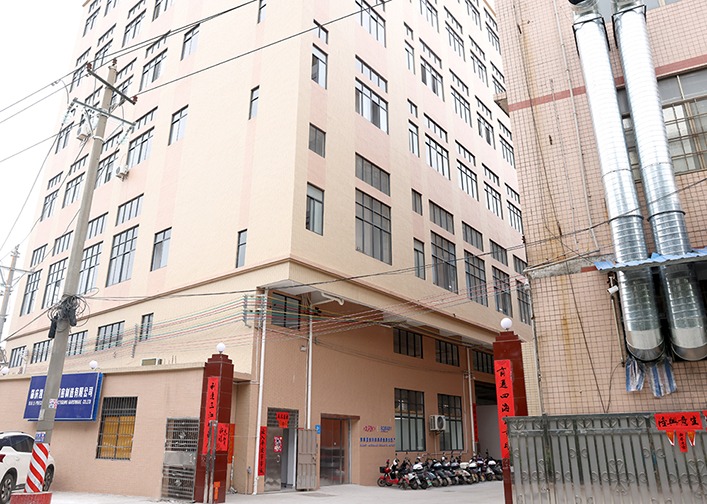
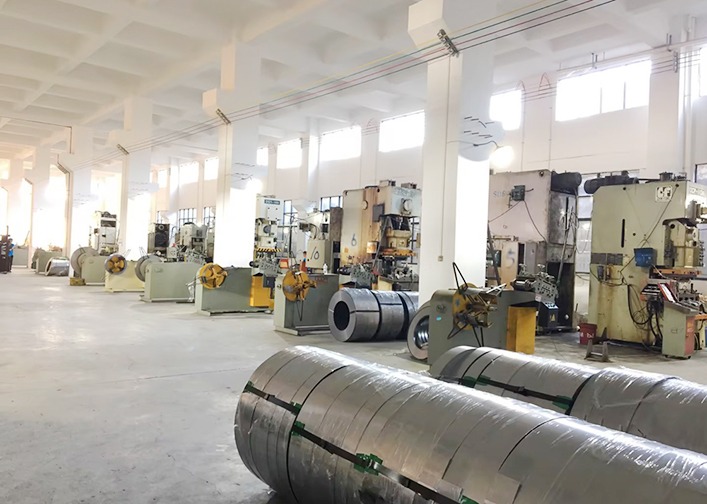
Premier OEM / ODM Engineering PartnerFounded in 1992, Britton Hardware operates two dedicated industrial bases in Shantou and Zhaoqing spanning over 20,000 m² with 229 verified production staff and 24 R&D mechanical engineers. Serving the Middle East with a 30% export concentration, Britton manufactures high-precision vertical motorized and pneumatic drop-down mechanisms, hydraulic flap stays, and the signature ROEASY series of tall pantry towers and revolving organizers. Britton provides extensive customization: tailored mounting brackets for masonry stone backing, dual-stage soft close, and customized voltage power packs certified to CE and CB standards.
2. Julius Blum GmbH (Austria)
European Tier-1 Overhead SystemsBlum is a global industry benchmark for mechanical and servo-driven overhead lift systems, specifically through their AVENTOS HF, HS, HL, and HK-top product series. Represented comprehensively in the Israeli market through authorized distributors, Blum's systems are renowned for immaculate tension calibration, integrated BLUMOTION damping, and tool-free CLIP-on installation. Their electric SERVO-DRIVE package offers touch-to-open convenience.
3. Kesseböhmer Ergonomietechnik (Germany)
Specialist Pull-Down StorageKesseböhmer is celebrated for its iMove pull-down mechanism, an ergonomic marvel that translates wall cabinet contents downward and outward with minimal mechanical effort. Utilizing advanced mechanical damping without requiring electrical motors, Kesseböhmer's systems are favored in Jerusalem residential projects requiring complete mechanical autonomy for Halakhic peace of mind during Sabbath periods.
4. Grass GmbH (Austria)
Precision Flap KinematicsA member of the Würth Group, Grass specializes in the Kinvaro flap stay system. Their flagship Kinvaro T-Slim represents one of the thinnest concealed overhead lift fittings in the industry, milling directly into a 16 mm cabinet side panel. This ultra-minimalist execution is popular in contemporary minimalist Jerusalem architectural apartments where visible interior hardware is undesirable.
5. Sugatsune Kogyo Co., Ltd. (Japan / LAMP)
Precision Rotary & Assisted MotionSugatsune's proprietary Lapcon damping technology offers unparalleled fluid deceleration. Their downward drop lift-assist systems (such as the SLD and SDS series) feature adjustable balancing springs, enabling tall, heavy wall units to glide smoothly. Their 304 and 316 stainless steel fittings are frequently selected by contractors for coastal and luxury residential specifications.
6. Häfele SE & Co KG (Germany)
Comprehensive Hardware CatalogHäfele's Free Family (Free fold, Free swing, Free up, and Free flap) provides a standardized modular platform for overhead cabinet movement. Designed with minimal installation depth and low operating resistance, Häfele serves the Israeli contract market with full architectural hardware schedules, including motorized TV and appliance lift columns.
7. Linak A/S (Denmark)
Heavy-Duty Actuation ColumnsLinak is the undisputed engineering leader in heavy-duty electric linear actuator columns. For large-scale kitchen islands in luxury Talbiyeh villas, Linak's DESKLIFT and Baselift columns are integrated into hidden breakfast bars, rising backsplash spice racks, and heavy commercial-grade stone cutting station lift mechanisms.
8. Salice S.p.A. (Italy)
Italian Aesthetic & Coplanar MotionSalice elevates motion design through the Wind lift system and the Boxer coplanar sliding mechanism. The Wind system is remarkably compact, vanishing into the top corner of the carcase while handling substantial door weights. For Jerusalem interior designers demanding Italian visual refinement in custom veneer joinery, Salice remains a top specification choice.
9. Venace Intelligent Technology Inc. (China)
Smart Storage AutomationVenace focuses heavily on automated smart kitchen storage solutions, producing motorized pull-down wall cabinet baskets and electric spice racks. Incorporating capacitive touch sensors and smart home relay modules, their systems cater to tech-centric urban developments across the Jerusalem-Tel Aviv high-tech corridor.
10. Higold Group (China)
Architectural Wireware & Pull-DownsHigold is an export powerhouse in kitchen storage wireware, producing pneumatic and mechanical drop-down baskets under their Shearer and Star collections. Designed with aerospace-grade anodized aluminum and tempered glass side panels, their vertical storage units offer exceptional visual appeal for transparent glass front cabinetry.
Localized Application Scenarios in Jerusalem Construction
1. Retrofitting Old City & Mandate-Era Stone Vaults
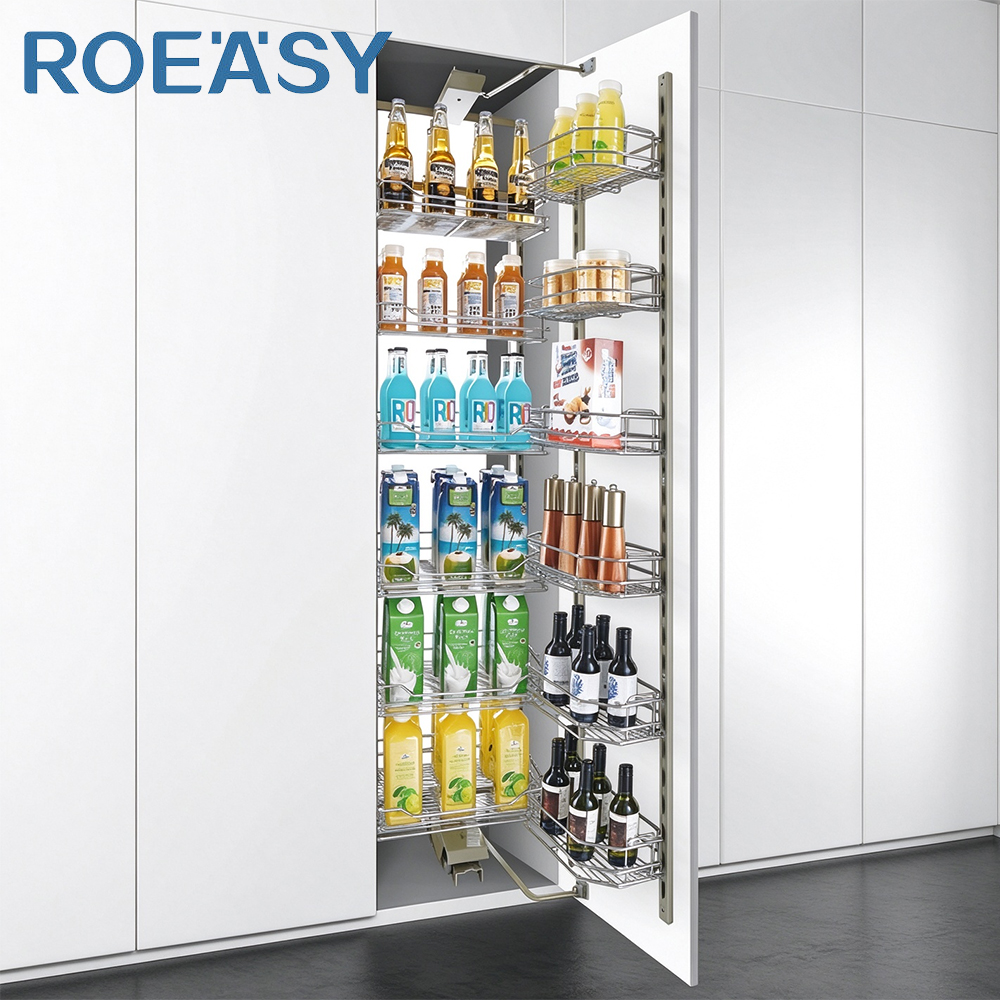
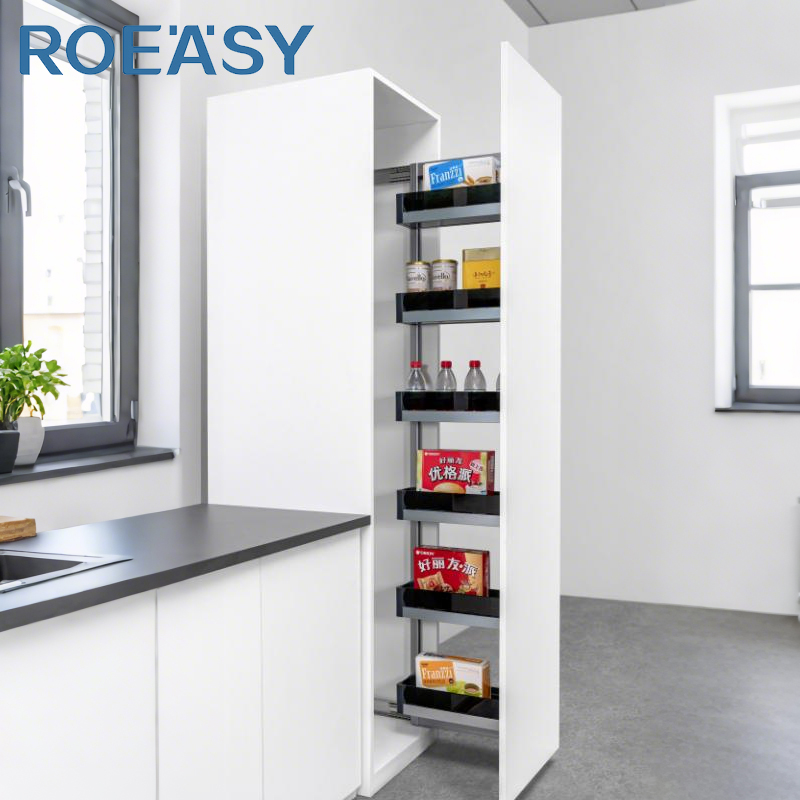
In neighborhoods like the Old City, Nahlaot, and Musrara, interior walls are frequently constructed from thick, historic limestone masonry with arched alcoves. Drilling deep horizontal anchoring points for heavy wall cabinets risks spalling the stone substrate. Here, ceiling-anchored vertical downward lift columns and floor-supported larder towers (such as the Britton ROEASY Tall Larder linked series) take structural loads off ancient masonry, transferring dynamic forces directly to the reinforced floor slab.
2. Modern Micro-Apartment Spatial Density in Central Jerusalem
Urban renewal initiatives (Tama 38 and Pinui Binui) across Jerusalem have introduced compact luxury apartments where kitchen footprints rarely exceed 6 to 9 square meters. To maximize counter workspace, small domestic appliances (espressos, food processors, sous-vide units) cannot remain permanently on the benchtop. Countertop-level vertical appliance garage lifts allow heavy gear to sink flush into the cabinetry behind stone backsplashes, popping up silently only when engaged.
Future Levant Market Trends: 2025–2030 Horizon
Technological progression in Jerusalem's architectural sector is moving rapidly toward three defining frontiers:
- Integrated DC Low-Voltage Busbars: Eliminating trailing flexible power cords behind motorized wall cabinets. Modern lifts now draw current via discreet copper conductor rails embedded within the vertical side-guidance extrusions.
- Acoustic Isolation for Stone Living Spaces: Because Jerusalem apartments utilize high proportions of hard stone, plaster, and ceramic tiles, interior sound reverberation is pronounced. Cabinet actuators must maintain whisper-quiet motor sound signatures below 40 dB(A) to avoid echo amplification.
- High-Durability Multi-Layer Finishes: Although Jerusalem has a semi-arid mountain climate, winter heating combined with intense cooking steam in sealed stone structures causes local humidity spikes. Electro-coating, nickel-plating, and 304-grade stainless components have replaced standard cold-rolled zinc to guarantee zero rust blistering over a 20-year operational lifecycle.
Guangzhou Britton Hardware (ROEASY)
SGS Onsite-Verified Furniture Hardware & Mechanism Manufacturer Since 1992.
SGS Audited Infrastructure
Verified production premises exceeding 20,000 m² across Shantou and Zhaoqing bases. Full in-house plastic injection, heavy stamping, die-casting, and automated assembly with 229 verified personnel.
24-Engineer R&D Team
Advanced tooling, customized stroke lengths, and bespoke load balancing. OEM partner for DuPont household hardware and trusted supplier for global Fortune 500 procurement contracts.
Middle East Export Hub
With 30% of total export production focused on the Middle East, our logistics team manages efficient mixed-container schedules, strict palletization, and export compliance direct to Ashdod and Haifa.
Tested Before It Ships: Britton Rigorous Lab Verification
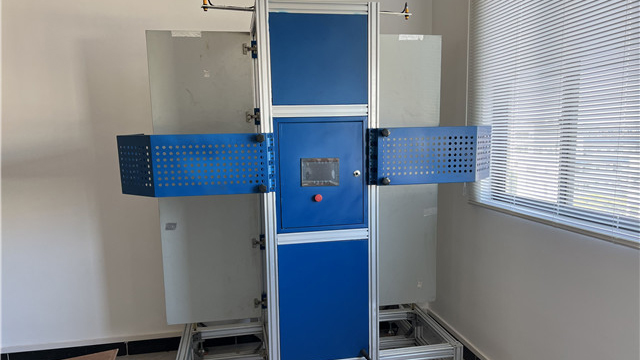
Every batch of cabinet lift stays, hydraulic hinges, and drawer box systems undergoes exhaustive empirical verification in Britton's certified in-house laboratory to safeguard project reputations in Jerusalem:
- Hinge & Flap Durability Rig: Continuous open/close cycling under load up to 80,000 cycles, verifying zero damping fluid leakage or arm distortion.
- High Door Fatigue Simulation: Heavy tall cabinet door testing to ensure zero sag over extensive operational spans.
- Neutral Salt Spray (NSS) Testing: Plating and electrophoretic finishes tested to 48–96 hours NSS to prevent micro-pitting in damp kitchen climates.
- Gas Spring Force (Newton) Profiling: Exact digital force verification ensuring lift struts adhere strictly to specified push/pull ratings.
Frequently Asked Questions by Jerusalem Importers & Contractors
Engineering parameters, supply chain logistics, and installation recommendations for local projects.
Architectural Specifier’s Checklist for Kitchen Cabinet Lifts
Before issuing requests for quotation (RFQs) for high-end residential packages in Jerusalem, ensure your project schedule includes the following mechanical specifications:
1. Carcase Dimensions & Internal Clearances
Define clear internal carcase width (300, 450, 600, 900, or 1200 mm), minimal installation depth (typically ≥ 280 mm for wall units), and usable internal height. Confirm if a flush-to-bottom or recessed face-frame installation is required.
2. Total Dynamic Payload
Calculate door panel weight (including handles or glass) plus maximum expected internal contents. Ceramic dinnerware sets require a mechanism safety factor of at least 1.4x above static weight ratings.
3. Electrical Certification & Power Feeds
Ensure power transformers comply with Israel's 230V / 50Hz single-phase standard with certified CEE 7/7 or Type H power plug compatibility. Low-voltage cables must be rated flame-retardant (VW-1 or equivalent).
4. Damping & Speed Regulation
Specify dual-stage soft close with variable end-stroke dampening. The mechanism should descend at a controlled, uniform rate and rise effortlessly without abrupt rebound vibration at the top limit.
Engineer Your Next Project with a Certified Hardware Manufacturer
Consult with our engineering team for technical CAD drawings, bespoke stroke calibrations, cycle test dossiers, and direct FOB/CIF container shipping plans to Ashdod & Haifa.