Featured Mechanical & Cabinetry Hardware
Integrated architectural systems designed to withstand heavy commercial use, historic retrofit requirements, and high-end residential interior designs across Rome and Lazio.
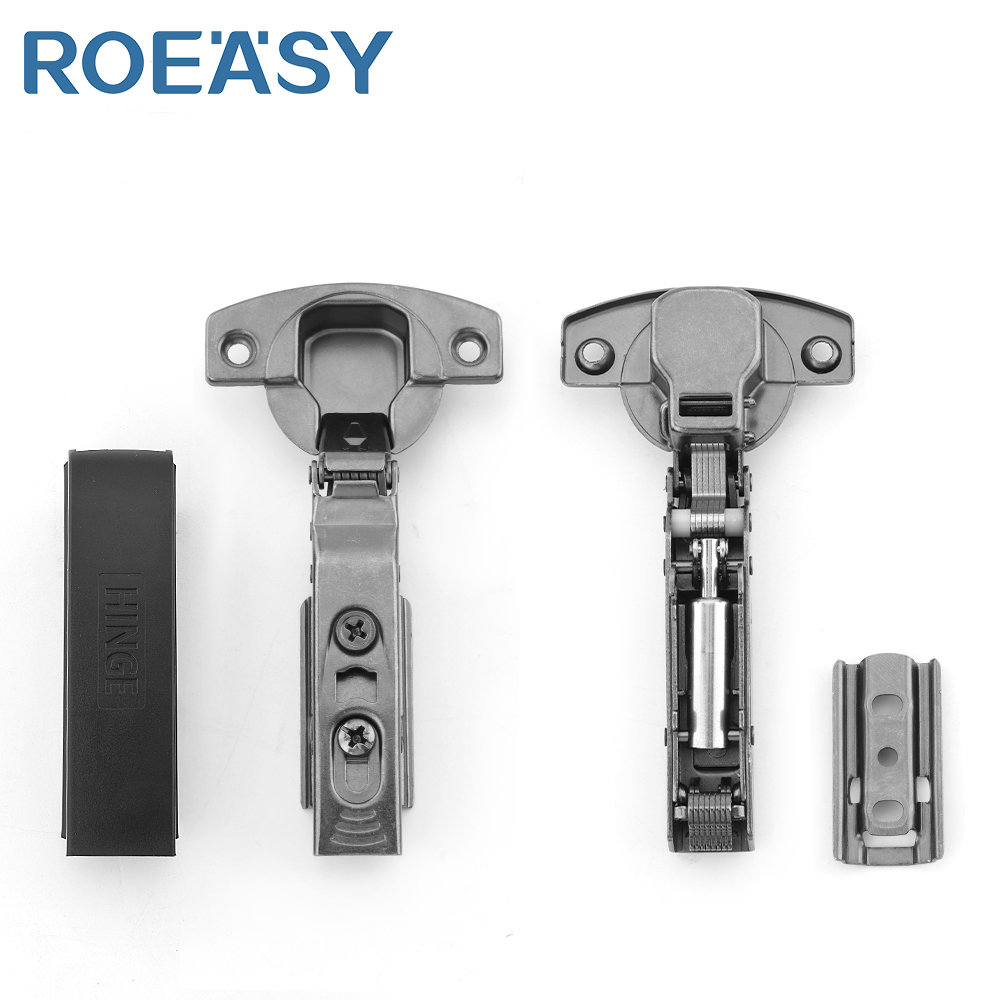
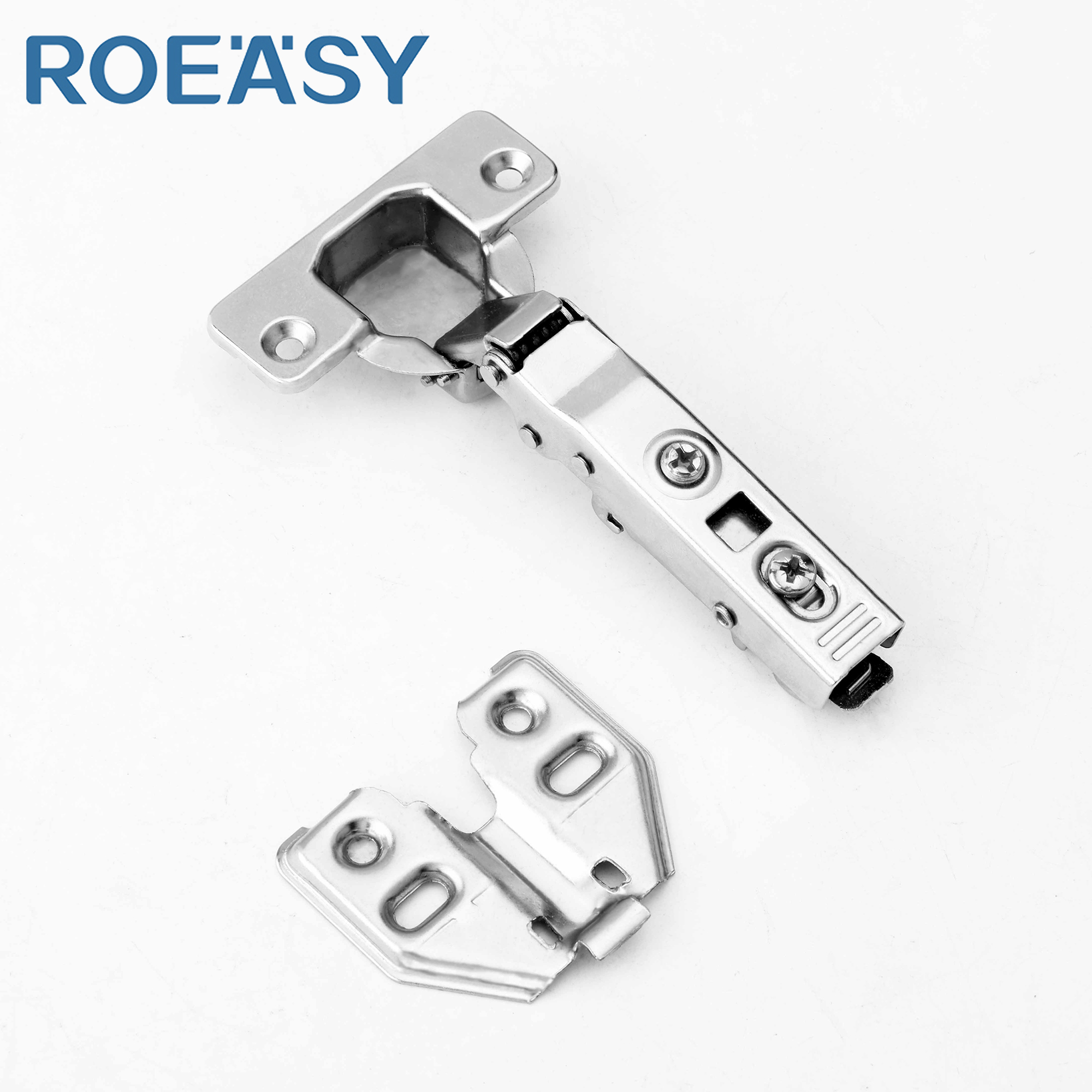
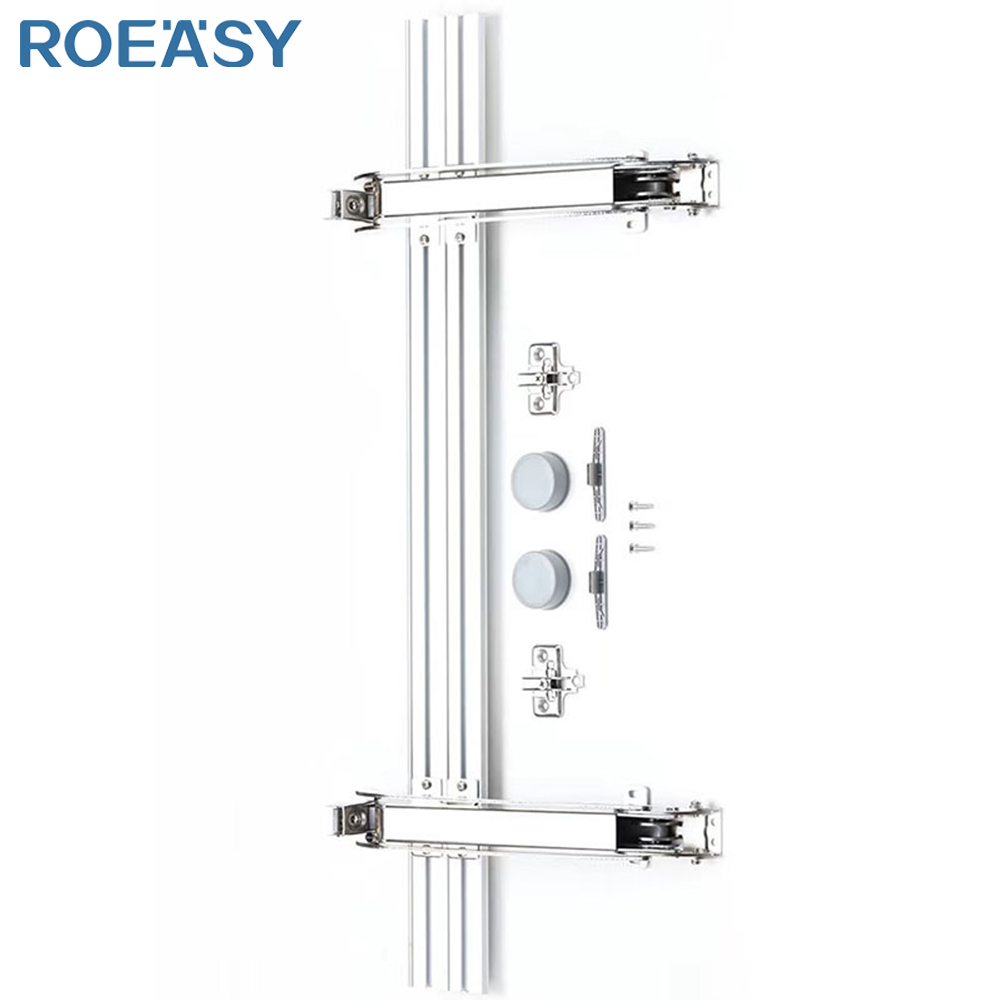
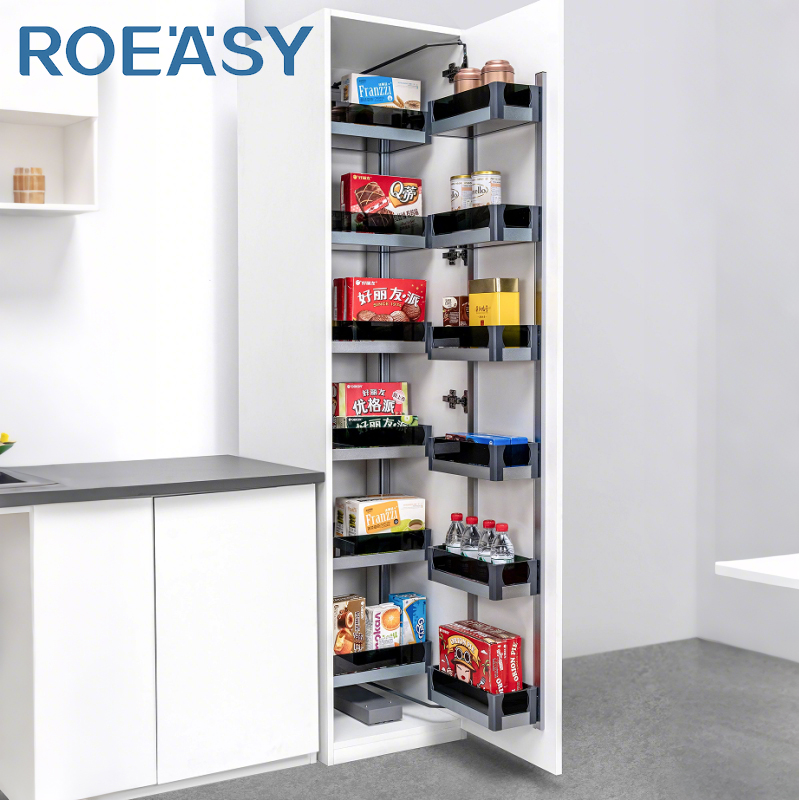
Engineering Architectural Hardware for the Roman Landscape
Bridging traditional Italian joinery requirements with modern industrial durability metrics.
The Roman Architectural Context: Heritage Meets Modern Ergonomics
Specifying furniture and cabinetry hardware for Rome demands a distinct technological and aesthetic approach. Roman residential and hospitality environments balance historic architectural constraints—such as masonry walls, uneven substrates, and compact historic floor plans—with refined Italian interior aesthetics. In central historic districts like Campo de' Fiori, Trastevere, and the Centro Storico, residential refits prioritize spatial optimization through ergonomic pull designs, slimline profiles, and zero-clearance kinematics.
Furniture producers, interior contractors, and joinery workshops across Lazio require hardware that matches traditional carpentry with modern cyclical durability. Our integrated manufacturing handles both high-volume standardized components and bespoke dimensions for custom millwork, meeting structural and aesthetic benchmarks across residential, boutique commercial, and hotel interior fits.
Metallurgical Standards and Environmental Resilience
Rome experiences a Mediterranean climate characterized by hot, dry summers paired with humid winters, alongside riverfront moisture corridors along the Tiber. Choosing base alloys and surface finishes requires strict resistance to galvanic corrosion and oxidation. Britton Hardware utilizes cold-rolled steel, precision-engineered zinc alloys, and 201/304-grade stainless steel to ensure mechanical longevity.
Our surface finishing protocols include rigorous multi-layer electroplating and anodizing methods that pass neutral salt spray (NSS) chamber evaluations exceeding industry norms. This protects finishes against chemical detergents, persistent atmospheric moisture, and heavy human handling—essential for high-traffic boutique hotels, restaurants, and corporate environments throughout the capital city.
Targeted Roman Project Implementation
Specialized hardware assemblies tailored to the functional demands of Rome's diverse interior sectors.
Historic Palazzo Restoration
Historic structures in Prati and Monti often feature solid timber, hand-finished walnut, or chestnut cabinetry. Our concealed undermount runners and classic matte bronze or antiqued drawer pulls deliver the visual restraint required by heritage conservation, backed by high-load fatigue ratings that prevent sag on oversized period drawers.
Luxury Hospitality Upgrades
Boutique hotels and luxury hospitality suites near Via Veneto and the Spanish Steps demand whisper-quiet kinetic hardware. Our hydraulic dampers, soft-closing drawer runners, and precision handles guarantee smooth, silent action, elevating the guest experience while lowering long-term maintenance costs.
Modern Urban Micro-Living
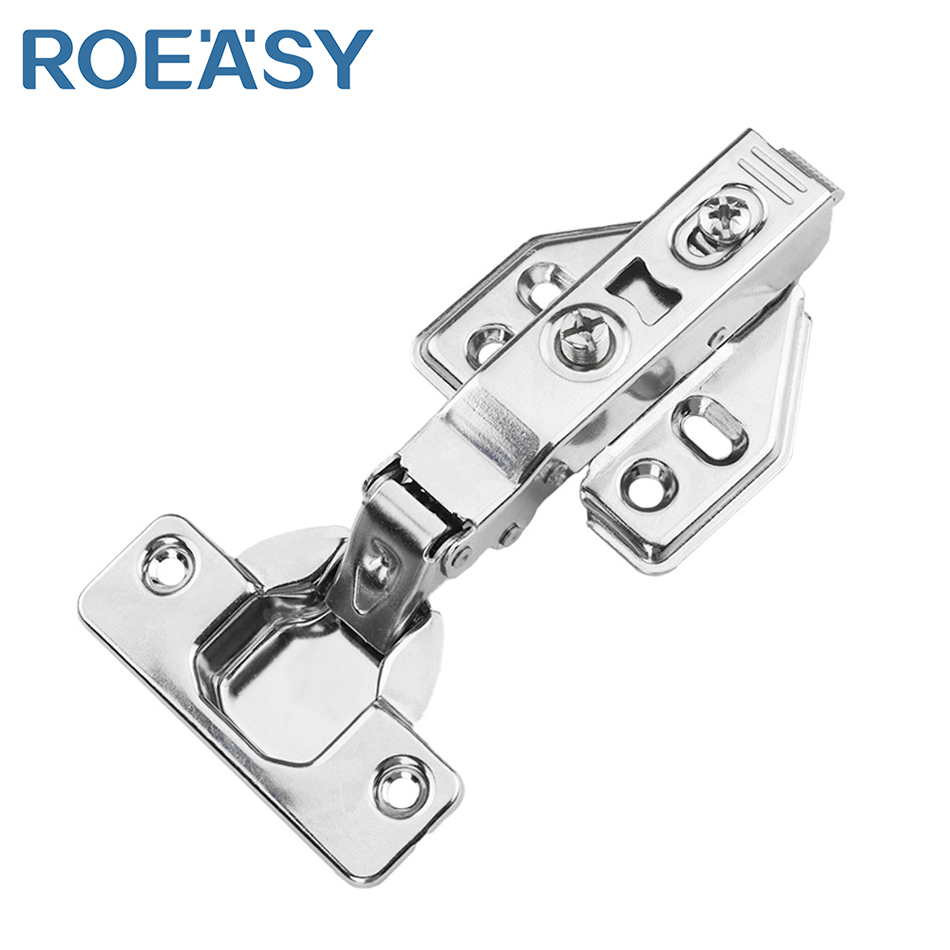
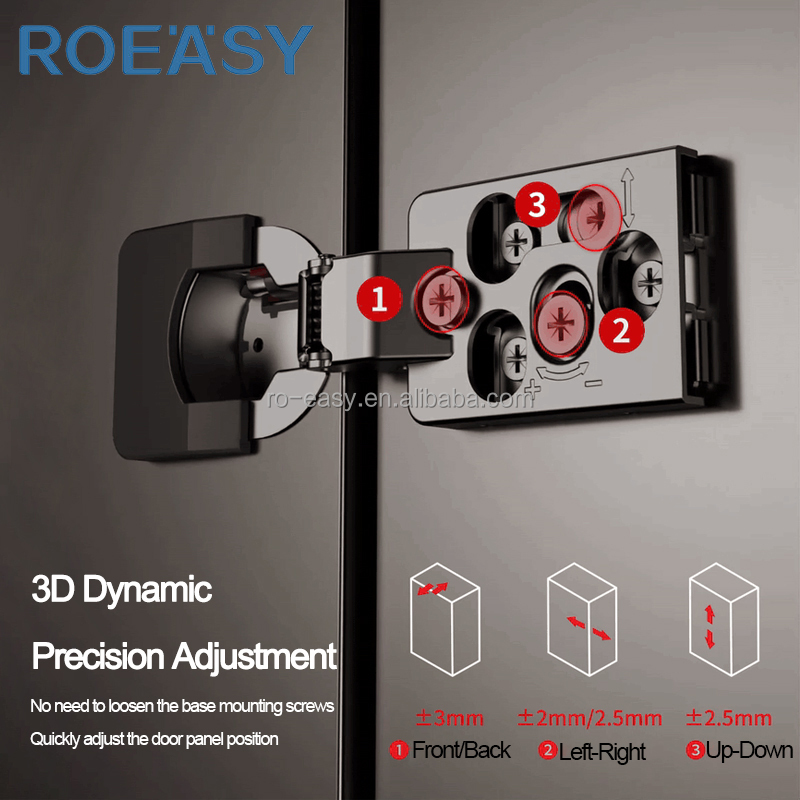
Contemporary apartments in EUR, Ostiense, and Parioli favor minimal handleless visuals or ultra-thin structural pulls. Incorporating our integrated push-to-open and 3D adjustable concealed hinges enables seamless flush-front cabinetry, optimizing usable floor space without compromising storage capacity.
Emerging Design & Hardware Trends in Rome
Insights into local specification shifts, material preferences, and regulatory demands across the Lazio region.
1. The Shift to Architectural Tactility
Smooth chrome finishes are increasingly giving way to rich, tactile alternatives in Roman interior architecture. Architects and specifiers frequently select knurled aluminum grips, deep matte blacks, brushed champagne bronze, and satin nickel. Hardware is no longer treated merely as a structural accessory; it functions as a primary tactile bridge between user and space.
2. Integrated Linear Lighting and Concealed Mechanics
Modern interior joinery across commercial offices and luxury residences blends drawer and cabinet mechanisms with discreet interior illumination. Furniture hardware is engineered for low-profile installation, giving way to clean lines, invisible slide runners, and minimal clearance gaps across monolithic millwork facades.
3. Circular Sustainability and Material Traceability
European Union sustainability directives, including strict RoHS and REACH chemical compliance, heavily influence public and commercial tenders across Rome. Procurement managers require non-toxic surface treatments, fully recyclable base alloys, and verifiable mechanical operational cycles (tested beyond 50,000 to 100,000 cycles) to minimize replacement intervals.
Why Source Direct from Britton Hardware
Thirty-three years of specialized hardware engineering, audited production controls, and end-to-end OEM/ODM export solutions.
Dual Production Hubs
Our automated production facilities in Shantou and Zhaoqing span over 15,000 square meters. By integrating tooling design, mold making, high-speed stamping, die-casting, and assembly lines, we maintain complete control over production schedules, yield consistency, and competitive pricing.
SGS-Audited In-House Lab
Every production batch is tested in our certified in-house test lab. From guide-rail fatigue testers, automated hinge cycle stations, and drop-ball impact rigs to computerized salt-spray chambers, we verify structural integrity before shipments depart for overseas ports.
Engineered Customization (OEM/ODM)
With an engineering department of 24 experienced designers and mechanical specialists, we support custom profile extrusions, custom C-to-C hole dimensions, private-label packaging, and tailored galvanic surface color matching suited to bespoke project requirements.
Rome Importers & Contractors FAQ
Clear, direct answers regarding logistical workflows, custom engineering, and European compliance standards.
❓ What are the standard shipping timelines and ports of entry for deliveries to Rome?
Container shipments depart from Shenzhen or Guangzhou ports, reaching the Port of Civitavecchia (the maritime gateway to Rome) or the Port of Genoa within 28 to 35 days on standard ocean routes. For urgent project phases, air-freight samples and trial consignments arrive at Rome Fiumicino Airport (FCO) within 5 to 7 working days.
❓ Can Britton Hardware match custom color swatches for Italian architectural specifications?
Yes. Our factory offers precision surface-matching services. Whether your design team specifies RAL codes, custom brushed bronze tones, antique brass, or specific matte PVD coatings, our engineers calibrate electroplating baths and anodizing processes to match your approved physical sample.
❓ How do your drawer slides and pulls comply with European hardware standards?
Our hardware lines are engineered to meet EN 15570 (level 1-3 cabinet hinge performance) and EN 15338 (extension elements and drawer slides). Test reports verifying cyclical endurance (50,000 to 100,000 strokes under nominal payload) and neutral salt spray test results are accessible for project compliance records.
❓ What are the minimum order quantities (MOQ) for custom-branded architectural hardware?
For catalog items, standard MOQs range from 500 to 1,000 units depending on profile complexity. For custom OEM/ODM tooling, laser engraving, and custom retail packaging, MOQs generally start at 2,000 to 3,000 units. Prototype samples can be prepared for architectural review prior to mass fabrication.
❓ Can we consolidate mixed mechanical hardware products into single container shipments?
Yes. Many distributors across Italy leverage our broad product catalog by combining soft-close hinges, undermount runners, pull-out storage accessories, and architectural drawer handles into a single 20ft or 40ft container, reducing freight costs and streamlining import documentation.