High-Performance Architectural Cabinet Hardware Solutions
Engineered for high-frequency cycling in residential, institutional, and commercial architectural joinery across Ontario, British Columbia, Alberta, and Quebec.
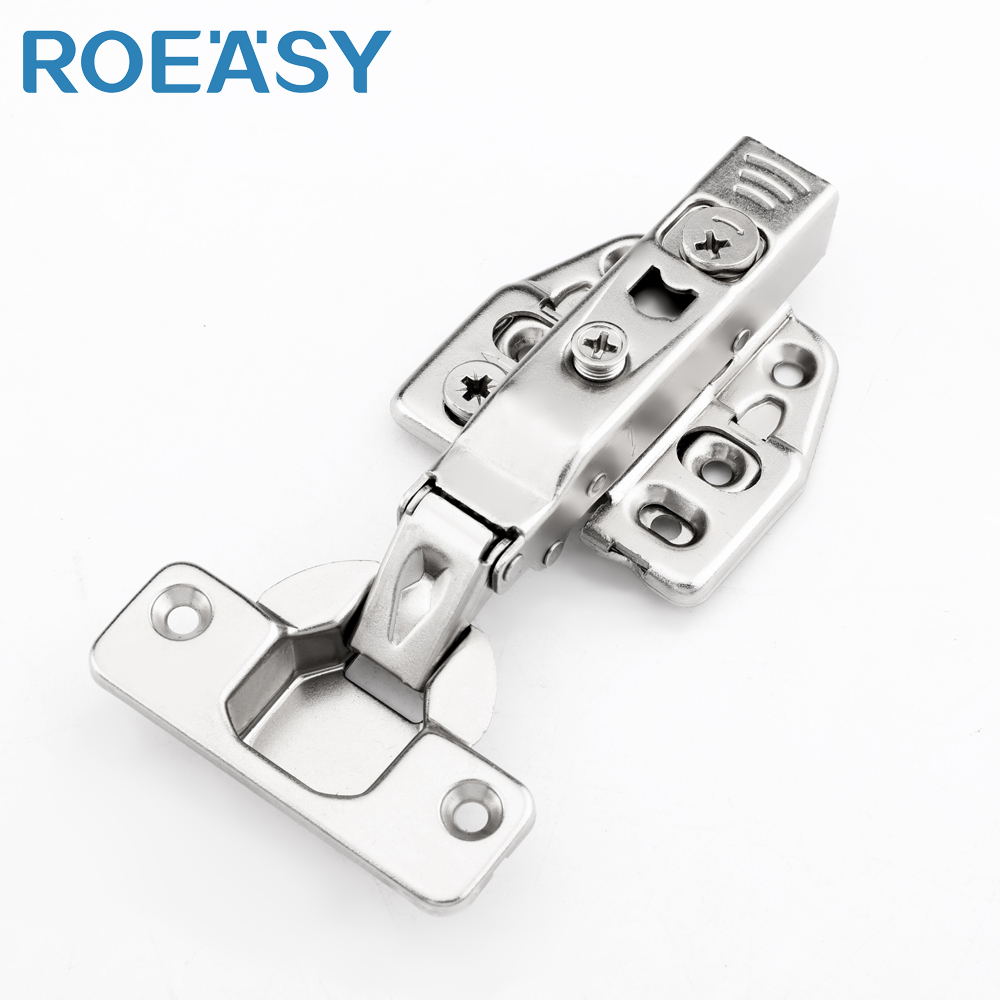
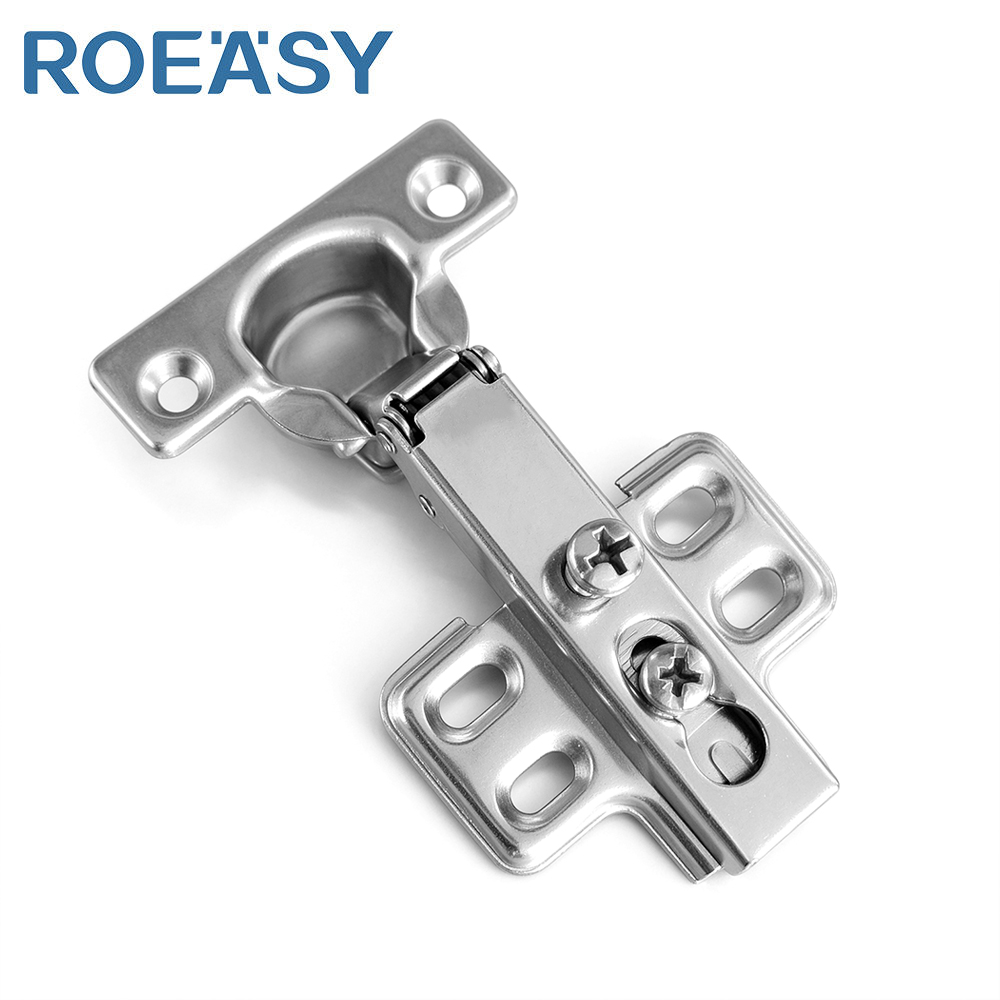
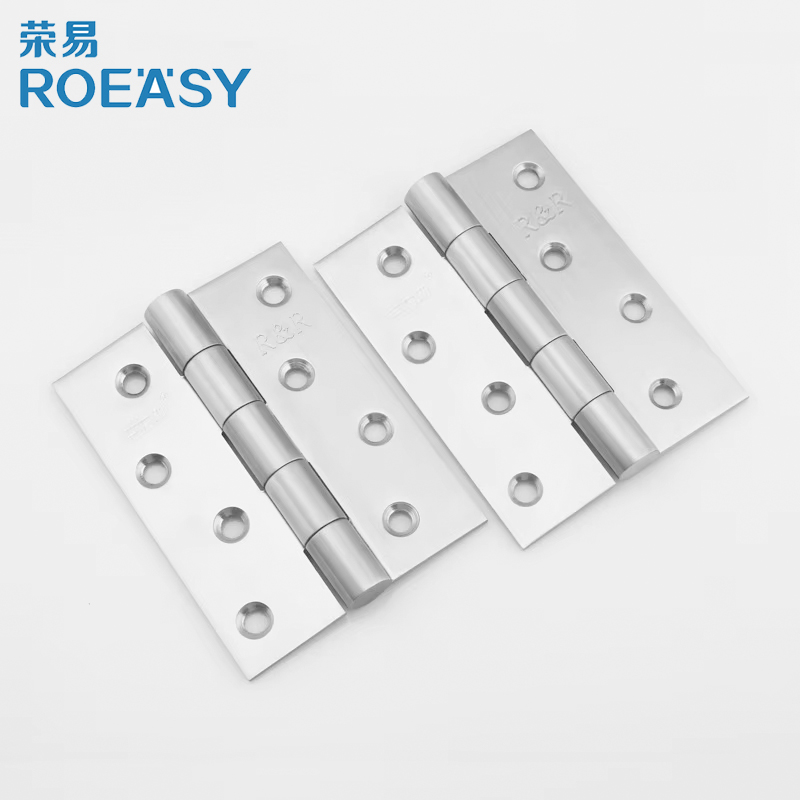
Technical Specification & Mechanics of Overhead Cabinet Lift Supports
A comprehensive analysis of kinetic pneumatic dampening, Newton force calculation, and cold-temperature rheological fluid dynamics for North American commercial casework.
In modern Canadian architectural millwork, standard side-hinged doors frequently present ergonomic obstructions and safety hazards in contemporary, high-density residential layouts and commercial kitchens. The adoption of CE-certified cabinet lift supports, overhead pneumatic gas struts, bi-fold folding flap stays, and vertical parallel opening mechanisms has transformed kitchen ergonomics, office work walls, and institutional casework. However, supplying the Canadian construction and custom millwork market requires precise engineering adaptations that go far beyond standard decorative hardware.
Kinetic Load Balancing & Precise Newton Force Calibration
When selecting pneumatic or mechanical lift supports for custom architectural projects in Canada, specifying the exact dynamic Newton (N) rating is critical. Unlike standard concealed hinges that operate horizontally on vertical rotational axes, lift-up flap systems must counteract gravitational downward torque along a continuous arc of rotation. Canadian millworkers frequently utilize heavy substrate materials, such as 3/4-inch (19mm) medium-density fiberboard (MDF) faced with double-sided thermally fused laminate (TFL), dense Baltic birch plywood cores, solid hard rock maple, or engineered composite solid surfaces.
The total operating torque is governed by the structural formula: Torque (Nm) = Door Mass (kg) × Gravitational Constant (9.81 m/s²) × Distance to Door Center of Gravity (m). If an undersized pneumatic strut is installed, the door fails to hold open at intermediate angles, causing sudden, dangerous downward drops. Conversely, an oversized strut exerts excessive strain on the top cabinet panel, stripping 5mm Euro-screws from particleboard carcases and making closing the cabinet door difficult for end-users. Britton Hardware integrates specialized mechanical force adjustment cams into our lift stays, allowing field millworkers to tune door balance within ±15% directly on-site using a standard Pozidriv screwdriver.
Controlled Multi-Angle Holding
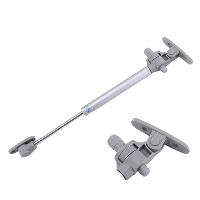
Our stepped gas-hydraulic internal valve design allows cabinet doors to stop and hold securely at any opening position from 45° to 105°, ensuring safe overhead clearance and easy handle reach for all users.
Viscosity-Compensated Damping
Formulated with synthetic low-pour-point silicone hydraulic oils, ensuring uniform soft-close deceleration even when Canadian interior building zones experience severe dry winter temperature fluctuations.
Corrosion & Wear Resistance
Hard chrome-plated piston shafts and Q235 cold-rolled steel link arms receive an electro-deposited multi-layer nickel and epoxy protective coating, exceeding 48-hour ASTM B117 salt spray standards.
CE Harmonized Certification & International Standards Alignment
In Canada, architectural project specifications for institutional buildings, healthcare facilities, upscale condominium developments, and higher-education student housing rely heavily on the National Master Specification (NMS) and MasterFormat Division 12. To satisfy rigid engineering compliance checks by Canadian architectural consultants, cabinet hardware must comply with recognized international standards. Britton Hardware’s cabinet lift mechanisms, hydraulic stays, and concealed hinges are certified according to European Standard EN 15570:2008 (Hardware for furniture - Strength and durability of hinges and their components) and EN 15338:2007 for extension mechanisms, achieving Level 3 operational testing (over 80,000 verified open-and-close cycles under dynamic payload).
| Lift System Type | Supported Door Height | Optimal Weight Capacity | Opening Angle / Kinematics | Recommended Canadian Application |
|---|---|---|---|---|
| Pneumatic Gas Strut (Standard) | 250 mm – 500 mm | 60N – 180N (2 kg – 7.5 kg) | 75° – 100° Upward Pivot | Overhead microwave cabinets, laundry cabinetry, builder-grade condo kitchens. |
| Bi-Fold Vertical Lift System | 600 mm – 1040 mm | 120N – 450N (4 kg – 16 kg) | Vertical folding bi-panel arc | Two-piece kitchen wall cabinets, luxury Toronto penthouse open-concept kitchens. |
| Up-and-Over Parallel Flap Stay | 350 mm – 600 mm | 80N – 260N (3 kg – 11 kg) | Parallel vertical translation | Appliance garages, built-in coffee stations, integrated audio-visual concealment. |
| Free-Stop Mechanical Friction Stay | 300 mm – 700 mm | Adjustable Spring Tension | Any position hold (45° – 105°) | Office millwork, student dormitory study desks, medical clinic examination casework. |
| Motorized Electric Lift Actuator | 400 mm – 1200 mm | Up to 350N (Continuous Servo) | Touch-to-open automated lift | AODA-compliant accessible cabinetry, executive boardrooms, ultra-luxury custom homes. |
Localized Applications & Millwork Trends in Canadian Architecture
Bridging European kinetic hardware engineering with the unique spatial constraints, climatic conditions, and regulatory codes of the Canadian building industry.
1. High-Density Urban Living: Toronto & Vancouver Micro-Condos
In metropolitan hubs such as Vancouver (Metro Vancouver Regional District) and Greater Toronto (GTA), urban real estate developments emphasize efficient micro-condominiums (350 to 650 sq. ft.). In these space-constrained interiors, conventional 24-inch wide swinging cabinet doors block sightlines, crowd galley kitchens, and pose collision risks with island pendants or adjacent bulkheads. Britton Hardware's bi-fold lift supports and parallel up-and-over flap mechanisms enable massive horizontal cabinet doors (up to 1200mm wide) to effortlessly fold upward out of the occupant's workspace. This design permits uninterrupted culinary workflows while preserving clean, minimalist horizontal reveal lines favored by Canadian interior designers.
2. Accessibility Standards: Universal Design & AODA Compliance
Canada is at the forefront of implementing comprehensive accessibility frameworks, led by the Accessibility for Ontarians with Disabilities Act (AODA) and Section 3.8 of the National Building Code of Canada (NBC). Traditional overhead wall cabinetry has long presented significant physical barriers to individuals with reduced mobility or wheelchair users. By utilizing our low-resistance pneumatic lift stays combined with synchronized push-to-open and mechanical soft-down drop mechanisms, wall cabinets can be operated with minimal activation force (under 22.2 Newtons / 5 lbs-force, matching universal barrier-free standards). Cabinets stay effortlessly reachable without requiring awkward overhead reaching or high grasping strength.
3. Commercial Hospitality, Multi-Unit Residential & Cold Storage Utility
From ski resorts in Whistler and Banff to luxury rental developments in Calgary and Montreal, commercial interior fittings experience substantial physical use and significant HVAC cycles. Winter heating systems drastically reduce indoor relative humidity (often dipping below 20% RH), creating seasonal dimensional movement and warping stress across composite wood door panels. Our 3D-adjustable mounting bracket bases allow cabinet makers and site installers to calibrate door alignment with millimeter precision across horizontal, vertical, and planar axes, guaranteeing completely flat cabinet reveals regardless of seasonal moisture fluctuation.
Why Canadian Millwork Manufacturers & Importers Partner with Britton Hardware
Integrated supply chain security, in-house tooling, Fortune 500 qualification, and rigorous laboratory verification under one corporate umbrella.
Full-Spectrum OEM/ODM Customization for Canadian Hardware Brands
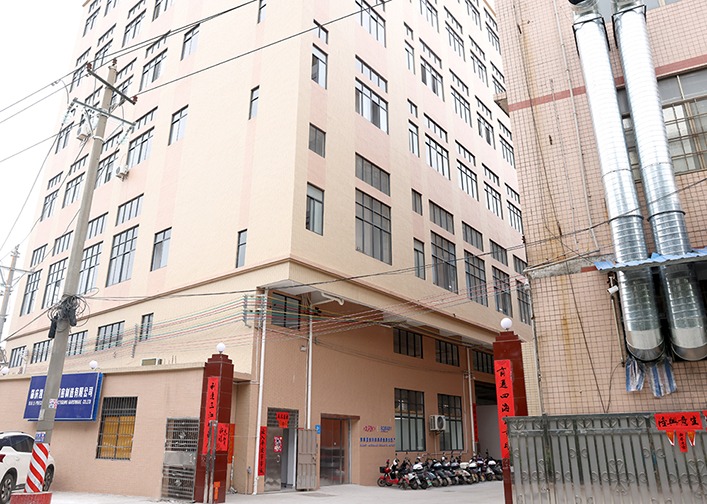
Founded in 1992, Guangzhou Britton Hardware Product Co., Ltd. has spent over three decades establishing vertically integrated production ecosystems. With two primary production centers located in Shantou (Chenghai) and Zhaoqing (Gaoyao), our facilities span precision plastic injection moulding, cold metal stamping, high-pressure zinc die-casting, automated electrostatic powder coating, and specialized assembly.
We are the verified exclusive manufacturing partner for DuPont household hardware and door/window hardware lines, and we reliably supply OEM production programs to globally recognized hardware distributors and Fortune 500 procurement teams. Canadian clients benefit from complete private-label manufacturing: custom laser-etched branding, bespoke packaging in Imperial sizing (cartons marked with board-foot and inch parameters), tailored Newton resistance ratings, and custom-length gas cylinder strokes.
In-House Laboratory & Environmental Simulation Testing
Pneumatic Force (N) Testing
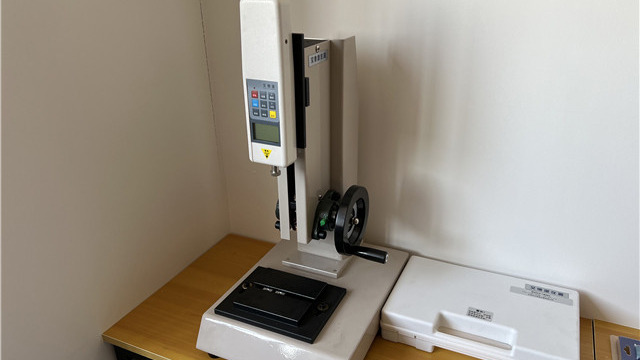
Every batch of lift supports is subjected to automated multi-point load cell testing to ensure the internal nitrogen gas pressure strictly conforms to design specifications (±3N tolerance), eliminating door drop risks.
Continuous Fatigue Cycle Rigs
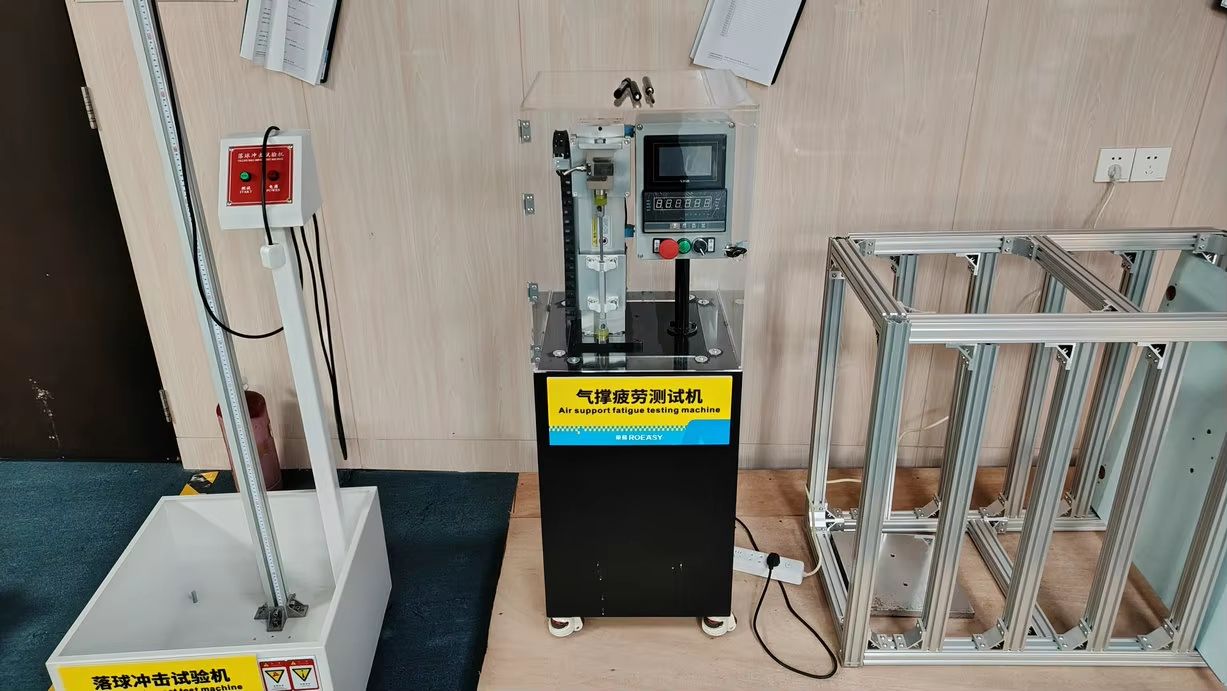
Our pneumatic and mechanical lift testing rigs subject production assemblies to continuous open-dwell-close cycling at 12 cycles per minute, verifying structural integrity and seal retention well past 80,000 cycles.
Salt Spray Corrosion Chamber
Components are exposed to a 5% neutral sodium chloride fog in strict accordance with ISO 9227 / ASTM B117, confirming our multi-stage electroplating holds zero surface blistering or red rust breakout.
Frequently Asked Questions by Canadian Buyers & Importers
Practical guidance on customs compliance, CBSA clearance, shipping to major Canadian ports, cold weather performance, and batch sampling.
How do Britton lift supports perform during extreme Canadian sub-zero winters?
Standard gas struts frequently experience seal contraction and hydraulic fluid thickening when interior spaces drop in temperature during shipping, unheated job site storage, or localized wall drafts down to -30°C. Britton Hardware uses specialized aerospace-grade nitrile and fluoroelastomer (FKM) dual lip seals paired with wide-temperature synthetic damping oil (viscosity index > 300). This guarantees consistent damping recovery speed and prevents internal nitrogen leakage throughout harsh Canadian winter conditions.
Are CE certified cabinet lift supports recognized by Canadian building codes and architects?
Yes. In Canadian commercial, institutional, and residential specifications governed by the National Building Code (NBC) and MasterFormat Division 12, CE certification against EN 15570 and EN 15338 serves as authoritative third-party proof of structural load capacity and mechanical cycle longevity. Furthermore, our manufacturing facility is fully audited and verified on-site by SGS Group, providing full provenance and documentation accepted by Canadian architectural testing firms.
What are the CBSA customs tariff classifications and import duties for Canada?
Cabinet lift supports, gas springs, and furniture flap stays imported into Canada typically clear under Harmonized System (HS) Tariff Code 8302.42.00 (Base metal mountings, fittings and similar articles suitable for furniture) or 8412.31.00 (Pneumatic power engines and motors, linear acting/gas springs). Britton Hardware provides accurate commercial invoices, detailed packing lists, and Certificates of Origin to facilitate smooth Canada Border Services Agency (CBSA) clearance through Port Metro Vancouver, Prince Rupert, or Montreal.
What are the minimum order quantities (MOQ) and lead times for Canadian shipments?
For standard stocked models of hydraulic hinges, pneumatic gas struts, and ball-bearing slides, our MOQ starts as low as 500 to 1,000 units. For fully customized OEM orders (bespoke laser logo engraving, custom Newton ratings, retail color box packaging), the standard MOQ is 2,000 to 3,000 pieces per specification. Ocean freight container shipments from our Shenzhen or Guangzhou ports to Vancouver take approximately 16 to 22 days transit, with multimodal rail connection to Calgary, Toronto, and Montreal.
Can Britton consolidate mixed-container orders with hinges, slides, and organizers?
Yes, this is one of our primary competitive advantages for Canadian distributors and regional millwork suppliers. Rather than managing multiple individual factory vendors, Canadian buyers can consolidate CE-certified cabinet lift supports, 3D hydraulic hinges, slim metal drawer box systems, ball-bearing runners, and wardrobe organizers into a single 20ft or 40ft HQ container. This streamlines landed cost management, eliminates multi-vendor shipping overhead, and provides single-source QC consistency.
What is the procedure for obtaining pre-production samples for mockups and testing?
We provide rapid prototyping and free physical sample sets for qualified Canadian architectural hardware distributors, millwork manufacturing plants, and commercial developers. Samples with calibrated Newton ratings (50N, 80N, 100N, 120N, 150N, etc.) are dispatched via DHL/FedEx courier within 3 to 5 business days, complete with dimensional drilling templates and technical data sheets for direct verification on project mock-up cabinets.