Enterprise Hardware Solutions
Featured Cabinetry Hardware & Motion Mechanisms
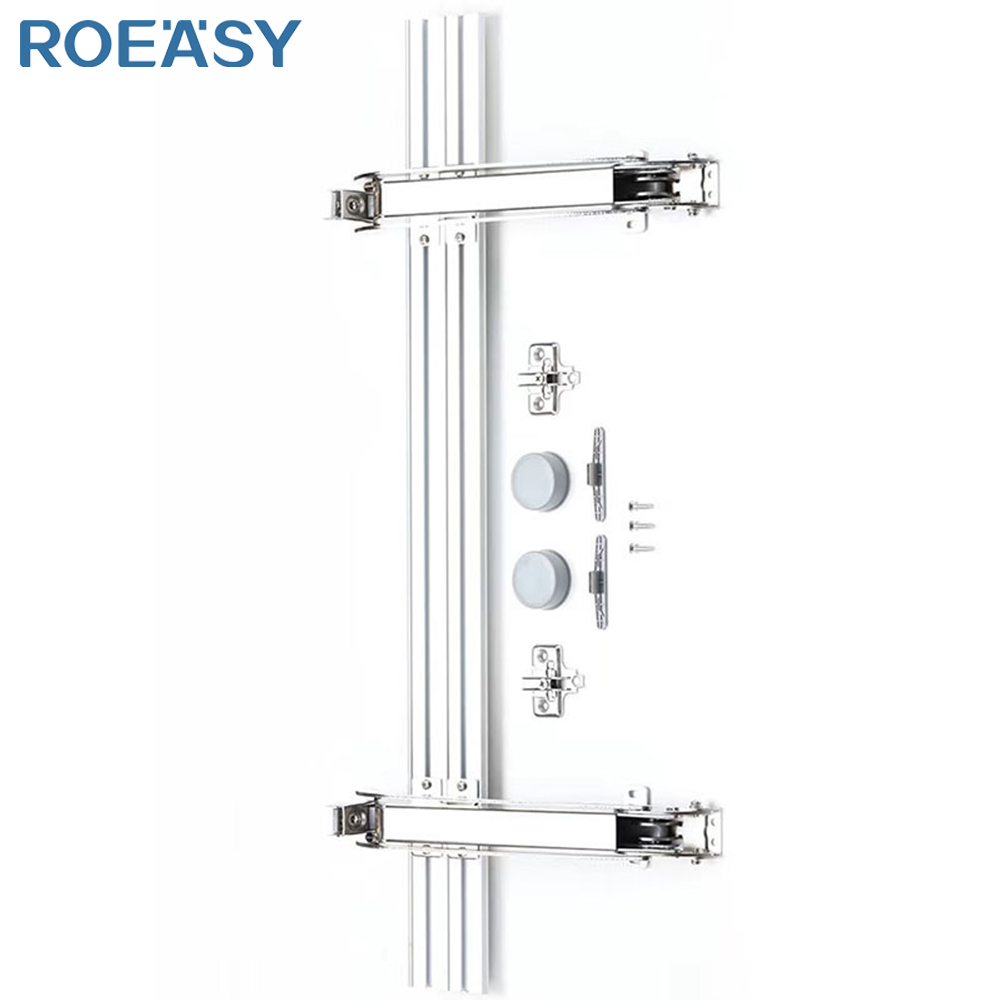
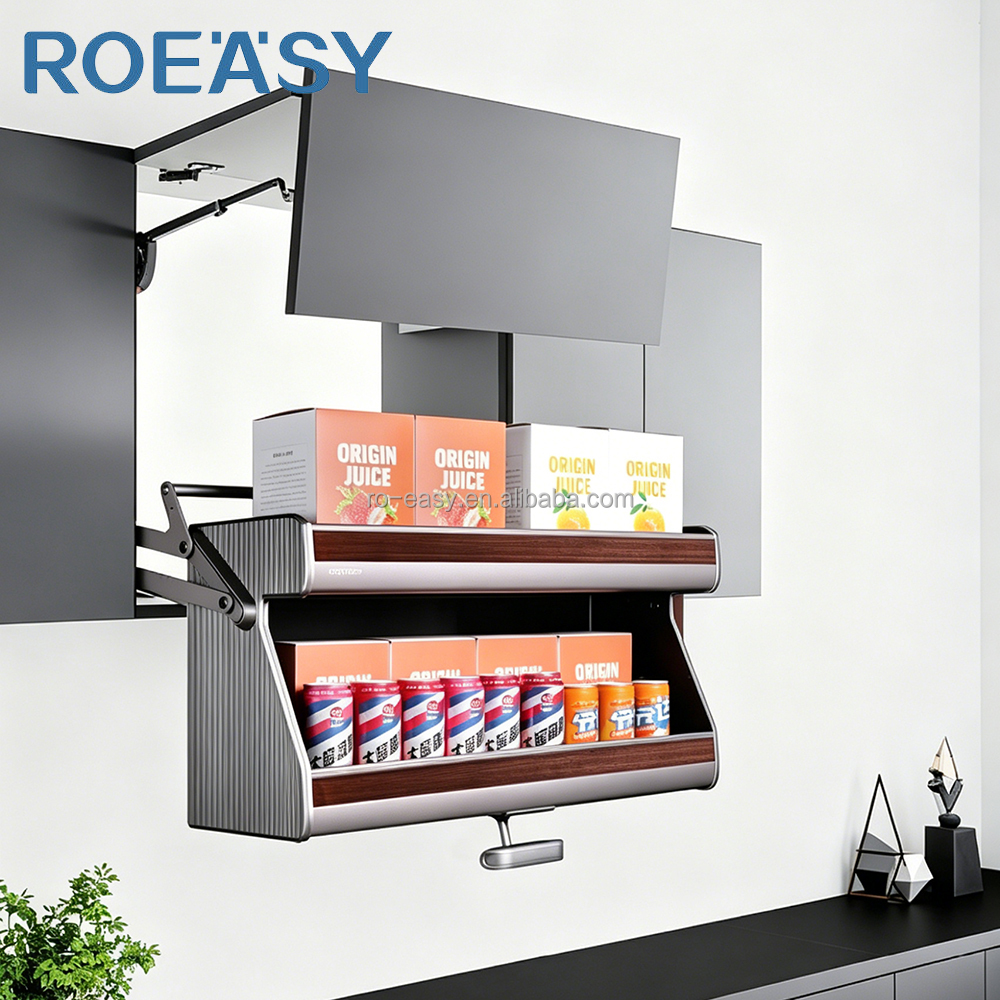
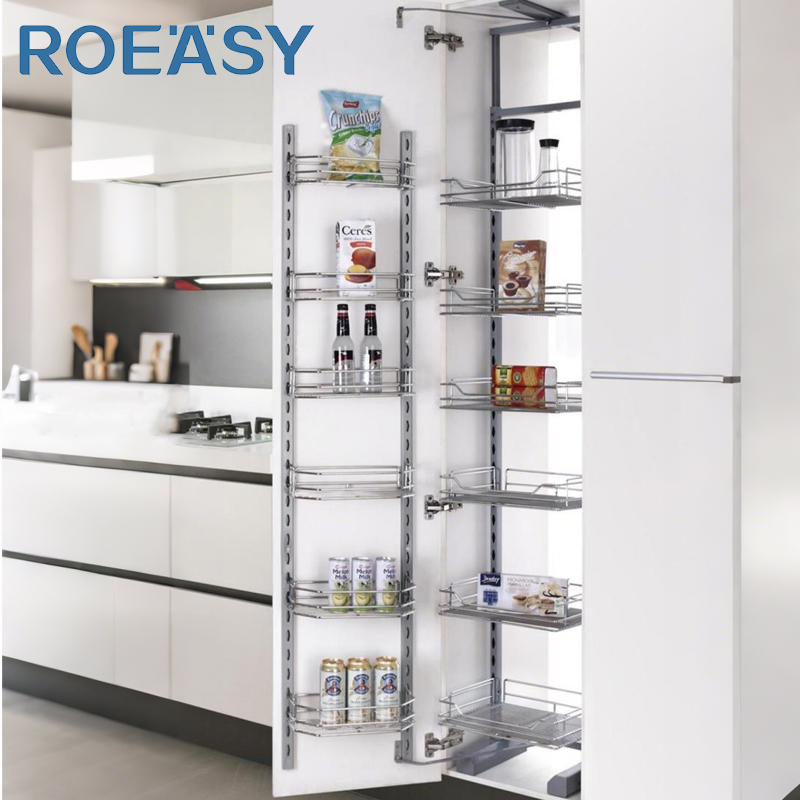
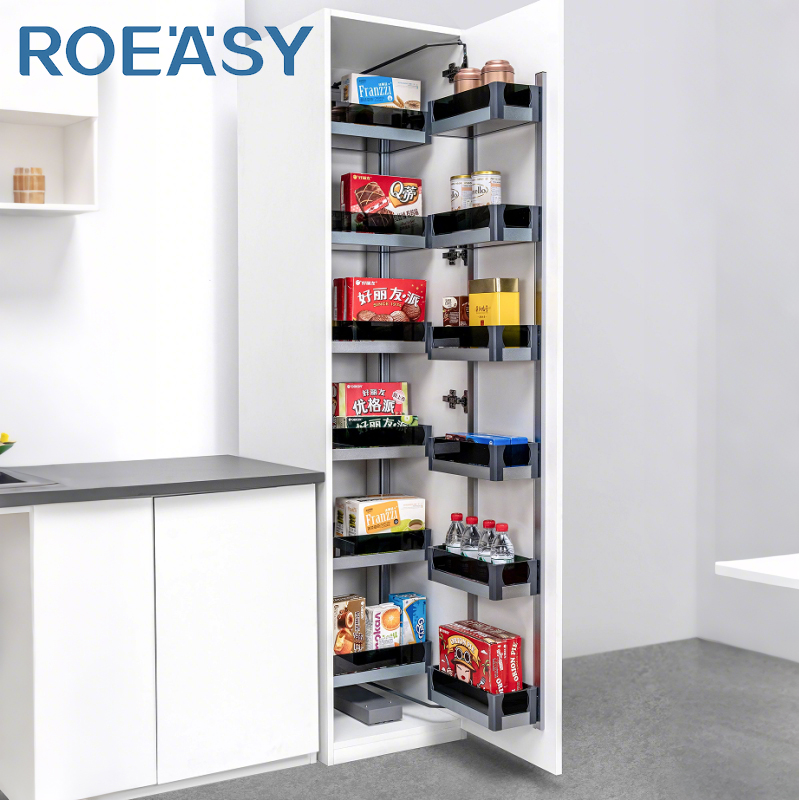
Explore Britton Hardware’s precision-engineered component portfolio. From narrow-profile aluminum frame concealed hinges to full-extension soft-closing storage solutions, every unit undergoes rigorous cyclic fatigue testing and strict dimensional verification.
100,000+
Certified Fatigue Life Cycles
33+ Years
OEM/ODM Manufacturing Prowess
48 Hours
Neutral Salt Spray ASTM B117
±0.05 mm
Stamping & Profile Tolerance
Industry White Paper · Structural Mechanics
Engineering Metallurgy & Dynamic Kinematics of Modern Aluminum Frame Hinges
The paradigm shift in architectural cabinetry toward ultra-narrow aluminum profiles (18mm to 22mm) and monolithic tempered glass facades has fundamentally restructured mechanical stress distributions across door mounting systems. Unlike traditional solid wood or engineered MDF casework where 35mm cup borings disperse transverse shear across dense wood fiber, aluminum frame hinges must deliver rigid anchoring within hollow, extruded 6063-T5 aluminum cavities without buckling the profile walls.
Precision aluminum frame hinges rely on specialized alloy composition and structural ribbing. At Britton Hardware, engineering teams utilize high-pressure die-cast zinc alloy (Zamak 3/Zamak 5) for knuckle linkages and precision cold-rolled high-tensile steel for load-bearing arms. This hybrid metallurgical structure achieves an optimal strength-to-weight ratio, ensuring that cantilevers operating under high rotational torque maintain absolute geometric co-planarity across door heights exceeding 2.7 meters.
Concealed hydraulic dampers integrated within modern aluminum frame hinges undergo micro-honing of internal cylinder walls. Utilizing silicone oil with dynamic kinematic viscosity coefficients rated from -35°C to 50°C, Britton dampers eliminate hydraulic cavitation and oil seal degradation. The result is a smooth, continuous soft-closing deceleration curve that prevents glass panel acoustic resonance and eliminates dynamic stress fractures at fastening screw junctions.
| Mechanical Property | Standard Cup Hinge (Wood/MDF) | Britton Precision Aluminum Frame Hinge | Engineering Compliance Value |
|---|---|---|---|
| Mounting Substrate | 35mm routed cup bore (min 11.5mm depth) | Narrow extrusion channel (18–28mm profile) | Zero substrate blowout; clamping pressure distributed |
| Linkage Material | Standard stamped cold-rolled steel | High-density zinc alloy + hardened carbon steel rivets | Tensile yield strength > 410 MPa |
| Micro-Adjustment Range | 2D (Side ±2.5mm, Depth ±2mm) | Full 3D Cam (Vertical ±2mm, Horiz. ±2mm, Depth ±1mm) | Continuous eccentric calibration without slippage |
| Corrosion Resistance | Single nickel electroplating (12h salt spray) | Multi-layer copper + electrolytic nickel + passivation | ASTM B117 Neutral Salt Spray 48h to 96h |
| Hydraulic Cylinder | Standard mechanical spring or rubber stop | Solid brass/seamless iron hydraulic damping cylinder | Hermetically sealed silicone oil, no leakage |
For global contract furniture manufacturers, maintaining uniform gaps (nominal 1.5mm to 2.0mm) across perimeter reveals is an imperative aesthetic requirement. Britton's integrated 3D micro-adjustment mechanism features hardened eccentric cam screws that prevent thread stripping when calibrated under full glass payload tension. Vertical, horizontal, and depth calibrations can be executed independently by installation technicians using standard Phillips drive tooling without dismounting the hinge arm from its aluminum frame profile groove.
Market Intelligence & Sourcing Vectors
Future Procurement Trends in Architectural Aluminum Hardware
Analyzing cross-continental supply chain evolutions, regulatory shifts, and technical specifications governing next-generation interior architecture through 2026–2030.
1. Invisible Profile Integration & Zero-Reveal Design
High-end kitchen and wardrobe architectural studios are mandating ultra-minimalist framing systems where hinge bodies disappear entirely within the upper and lower horizontal frame rails. This pivot towards top-and-bottom concealed pivot hardware reduces vertical side-profile visual bulk to less than 15mm, requiring supplier capabilities in high-load miniature stamping and precision CNC-milled knuckle linkages.
2. Smart Kinetic Low-Angle Damping Buffer Dynamics
Standard hydraulic damping hinges engage deceleration at approximately 20° to 30° of door travel. Next-generation procurement frameworks prioritize soft-closing action initiating at angles as low as 5° to 10°, preventing abrupt inertia snap on heavy tinted or fluted safety glass doors. Advanced three-stage force adjustment allows builders to tune closing velocity based on specific door aspect ratios and atmospheric humidity.
3. Integrated Wireway Pass-Through for Smart Lighting
With integrated 12V/24V low-voltage LED illumination embedded directly into aluminum extrusions, commercial project developers demand hinges engineered with hollow-core pivot channels. These configurations permit safe routing of power cables through the cabinet sidewall into the moving door leaf without risk of pinching, wire fatigue, or electrical insulation wear across 100,000 continuous door revolutions.
4. Architectural Surface Finishing: PVD & Matte Anodization
Traditional bright nickel finishes are increasingly replaced in modern specifications by Matte Cosmic Grey, Deep Obsidian Black, and Brushed Champagne Bronze. Procurement officers must verify that supplier plating processes match the anodic oxidation layer of the extruded profile (typically 10 to 15 microns) and resist chemical tarnishing under stringent household chemical exposure tests (DIN 68861 standards).
5. ESG Traceability & Circular Metallurgy Auditing
North American and European import frameworks increasingly tie contract qualifications to verifiable ESG declarations. Suppliers must demonstrate closed-loop water treatment in electroplating facilities, low-carbon recycled aluminum sourcing, and certified non-toxic hydraulic dampening fluids complying with RoHS and REACH Annex XVII parameters.
6. Mixed-Container Customization & Regional Warehousing
In response to freight volatility, international furniture hardware buyers favor agile manufacturers capable of delivering combined containers of 3D aluminum hinges, undermount runners, slim box drawer sides, and electronic smart locks under unified quality control warranties, backed by verified domestic distribution hubs in key transit territories.
Enterprise Infrastructure
Why Britton Hardware Leads Global Hardware Manufacturing
Combining 33+ years of metallurgical tooling expertise, dual production facilities in Guangdong, and direct supply relationships with Fortune 500 procurement teams.
Dual Production Bases in Shantou & Zhaoqing
With over 20,000 m² of aggregate industrial floor space and 229 SGS-verified full-time technicians, Britton manages end-to-end tooling, zinc die-casting, progressive stamping, electroplating, and automated assembly in-house. This comprehensive operational ownership eliminates third-party outsourcing delays and safeguards dimensional tolerances across million-unit OEM production runs.
Exclusive DuPont Strategic Partnership
Britton Hardware serves as the exclusive global collaborator for DuPont household hardware and architectural window/door fittings. This strategic alliance guarantees direct access to patented polymer composites for wear-resistant damper bushings, self-lubricating nylon slide guides, and superior acoustic decoupling components.
Dedicated 24-Engineer R&D Center
Equipped with high-precision optical CMM measuring instruments, 3D CAD modeling software, and rapid rapid-tooling facilities, Britton’s R&D engineering division develops bespoke hinge geometries tailored to custom aluminum profiles. From preliminary structural FEA stress simulations to final hardened steel tooling, custom prototyping turnaround is executed in as little as 14 business days.
Independent In-House QA/QC Laboratory
Nine full-time quality assurance inspectors enforce ISO 9001 and EN 15570 protocols at every production milestone. Our laboratory houses computerized hinge endurance testing rigs, guide rail fatigue dynamometers, digital screw torque analyzers, and salt spray chambers operating 24/7 to provide unvarnished batch validation documentation.
Certified In-House Testing Laboratory Equipment
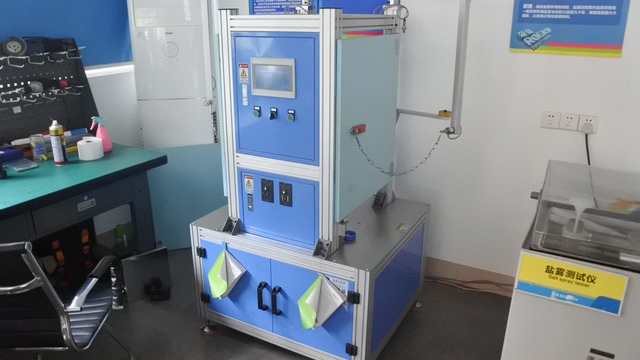
Hinge Durability Rig
Continuous dynamic cycle testing to 100,000 revolutions.
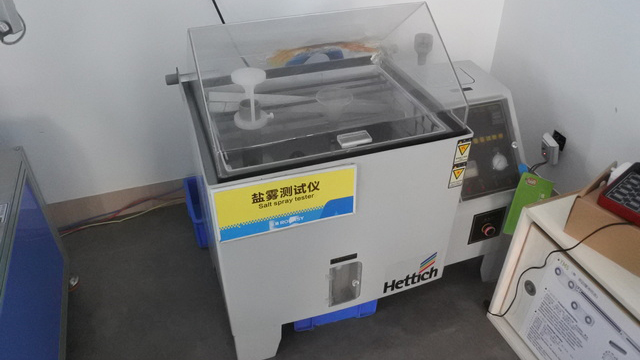
Salt Spray Chamber
ASTM B117 electrochemical surface passivation validation.
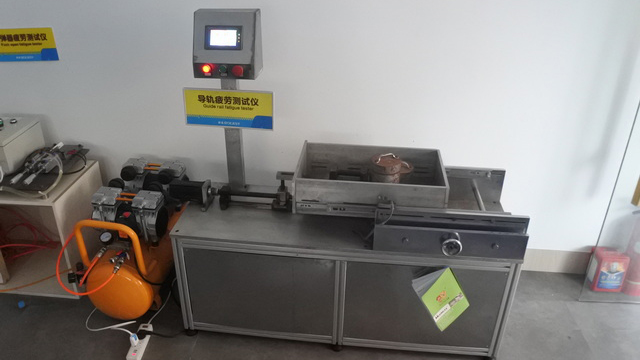
Guide Rail Fatigue Rig
Loaded multi-cycle stroke stress measurement.
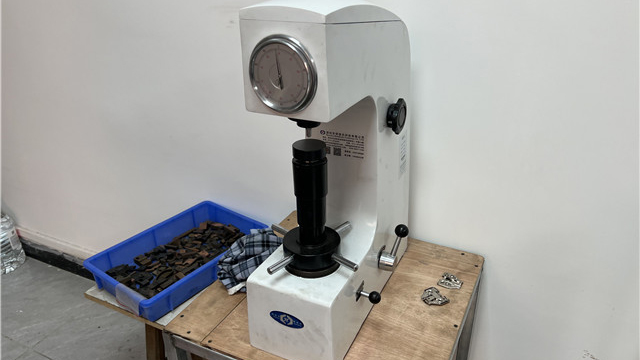
Rockwell Hardness Tester
Metallurgical heat treatment and structural alloy auditing.
Direct Factory Hardware Consultation & OEM Tooling
Have custom aluminum profile cross-sections or strict project load parameters? Our senior application engineering team reviews CAD drawings and provides tailored feasibility reports within 24 hours.
Procurement Due Diligence
Frequently Asked Questions for B2B Hardware Sourcing
In-depth technical and commercial answers addressing common engineering inquiries, production tolerances, and international import logistics.
Q1: How do aluminum frame hinges differ mechanically from standard 35mm wooden door cup hinges?
Standard wooden cabinet hinges utilize a round cup (typically 35mm diameter by 11.5mm depth) bored into particle board or timber doors. Aluminum frame hinges, conversely, feature specialized rectangular or slim contoured mounting flanges designed to seat into dedicated extrusion channels (ranging from 19mm to 28mm profile widths). Mechanical fastening is achieved using self-tapping or metric machine screws anchored into profile screw ports, requiring tighter dimensional manufacturing tolerances (±0.05mm) to prevent play or misalignment across the metal-to-metal interface.
Q2: What are the recommended hinge quantities based on aluminum glass door height and weight?
Proper calculation requires evaluating door weight alongside leaf height and aspect ratio. For aluminum frame doors up to 900mm in height and weighing under 6 kg, 2 hinges are sufficient. Between 900mm and 1600mm (weight 6–12 kg), 3 hinges must be specified. For architectural tall cabinets measuring 1600mm to 2200mm (weight 12–18 kg), Britton recommends 4 hinges. For floor-to-ceiling vitrines between 2200mm and 2800mm (weight exceeding 20 kg), 5 hinges with balanced upper-corner placement ensure minimal deflection and zero structural sag over time.
Q3: What surface treatment specifications ensure corrosion prevention in coastal regions?
Standard commercial hardware relies on flash nickel plating that fails within 8 to 12 hours of salt fog exposure. For premium furniture exports or humid coastal installations, Britton applies a tri-layer electroplating protocol: initial copper undercoating for molecular adhesion, followed by a double-bath electrolytic nickel layer, capped by an organic chemical passivation seal. This exceeds ASTM B117 neutral salt spray standards (rated up to 48 to 96 hours without red rust). In addition, full 201 or 304 grade stainless steel hinge lines are available for outdoor or high-salinity applications.
Q4: Can Britton provide customized mounting hole patterns for proprietary aluminum extrusions?
Yes. With an in-house tooling workshop and a dedicated 24-engineer design department, we frequently engineer custom hinge cups, adapter plates, and screw hole positions matching customer-specific aluminum extrusion profiles. OEM clients provide 2D/3D CAD files or physical profile extrusion samples; our engineers execute kinematic clearance studies, produce working functional prototypes via CNC, and finalize high-speed stamping or die-casting tooling within 3 to 4 weeks.
Q5: What are the standard Minimum Order Quantities (MOQ) and lead times for export shipments?
For standard catalogue models with nickel or black finishes, MOQs range from 500 to 3,000 pieces depending on specific tooling configurations. Sampling is available from 10 pieces for design validation. Custom OEM/ODM finish requests or branded laser-etched cover plates generally require a minimum volume of 5,000 to 10,000 pieces. Standard lead times run 25 to 35 calendar days following pre-production sample approval, with mixed-container consolidation supported from our Guangzhou logistics hub.
Q6: How is damper seal integrity tested against oil leakage during cross-climate transit?
Every hydraulic damping cylinder employed in Britton hinges utilizes dual-lip synthetic rubber seals and high-purity aviation-grade silicone damping oil. Random sample batches undergo thermal shock cycling in climate chambers from -30°C up to 60°C followed by continuous high-speed dynamic stroking on mechanical fatigue testers. This ensures the damper retains consistent viscosity and zero fluid weeping across sea container temperature extremes.
Request Certified Samples & Engineering Catalogs
Partner with Guangzhou Britton Hardware Product Co., Ltd. for reliable product performance, factory-direct pricing, and technical support. Our overseas trade division provides sample evaluation kits, CAD dimensional libraries, and certified test reports on demand.