High-Performance Kitchen Cabinet Hardware Products
Explore our core export-grade kinetic mechanisms, hydraulic damping hinges, telescopic drawer runners, and motorized storage systems engineered for precision architectural cabinetry.
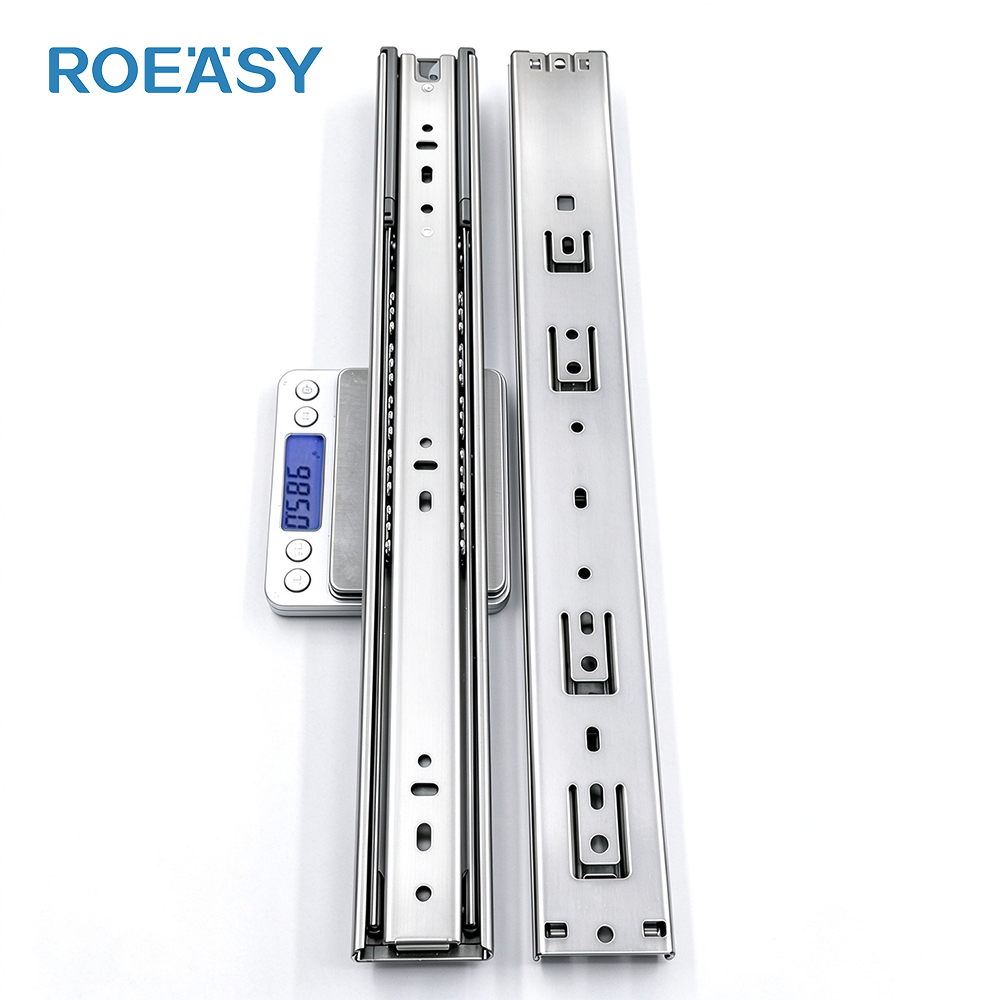
Q235 Cold Rolled Steel 3-Section Full Extension Ball Bearing Soft Close Slide for Kitchen Drawers, Sideboard, Bookcase
- Material: High-Yield Q235 Steel
- Action: Silicone Damper Soft-Close
- Load Rating: 45 kg Dynamic (80k cycles)
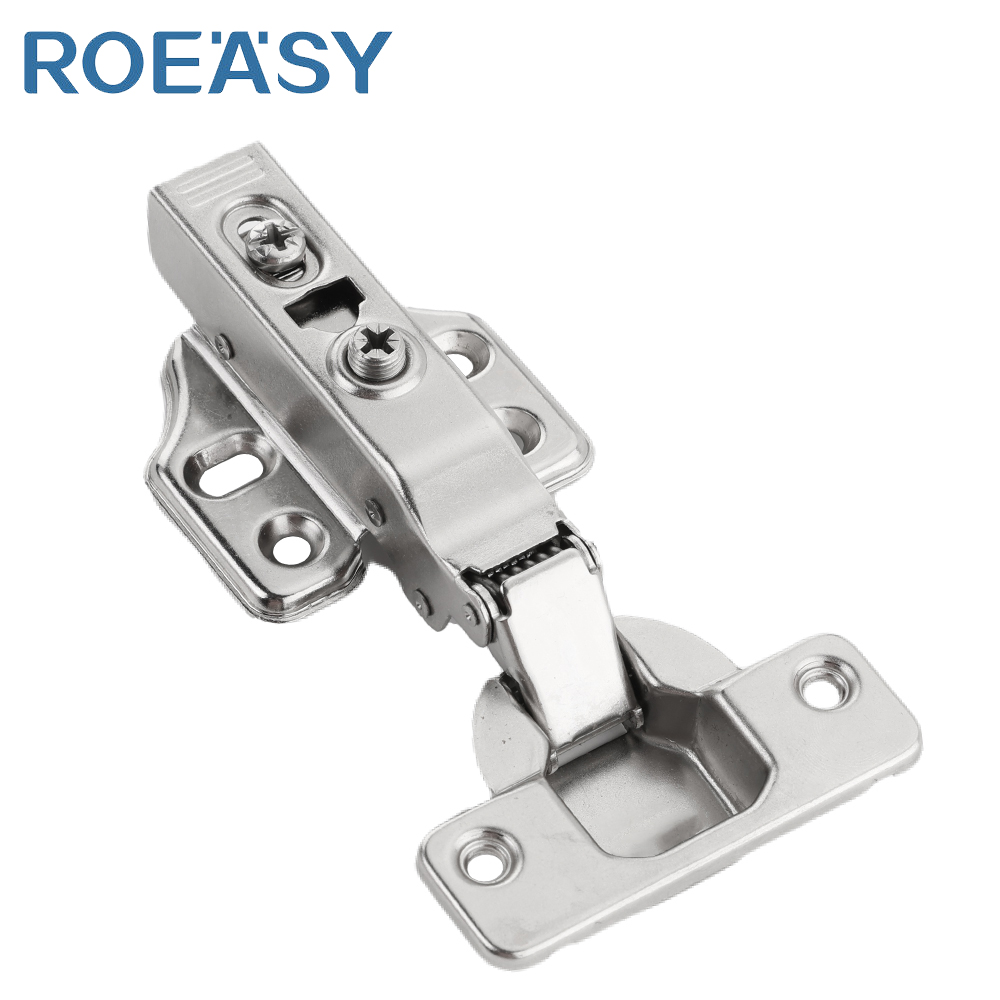
Soft Close 35MM Overlay Concealed Hydraulic Furniture Hinge for Wardrobes, Kitchen Cabinets, Wine Cabinets & Mirror Cabinets
- Cup Diameter: 35mm Standard / 11.5mm Depth
- Finish: Double Electroplated Nickel
- Adjustment: 3D Cam (+/-2mm Alignment)
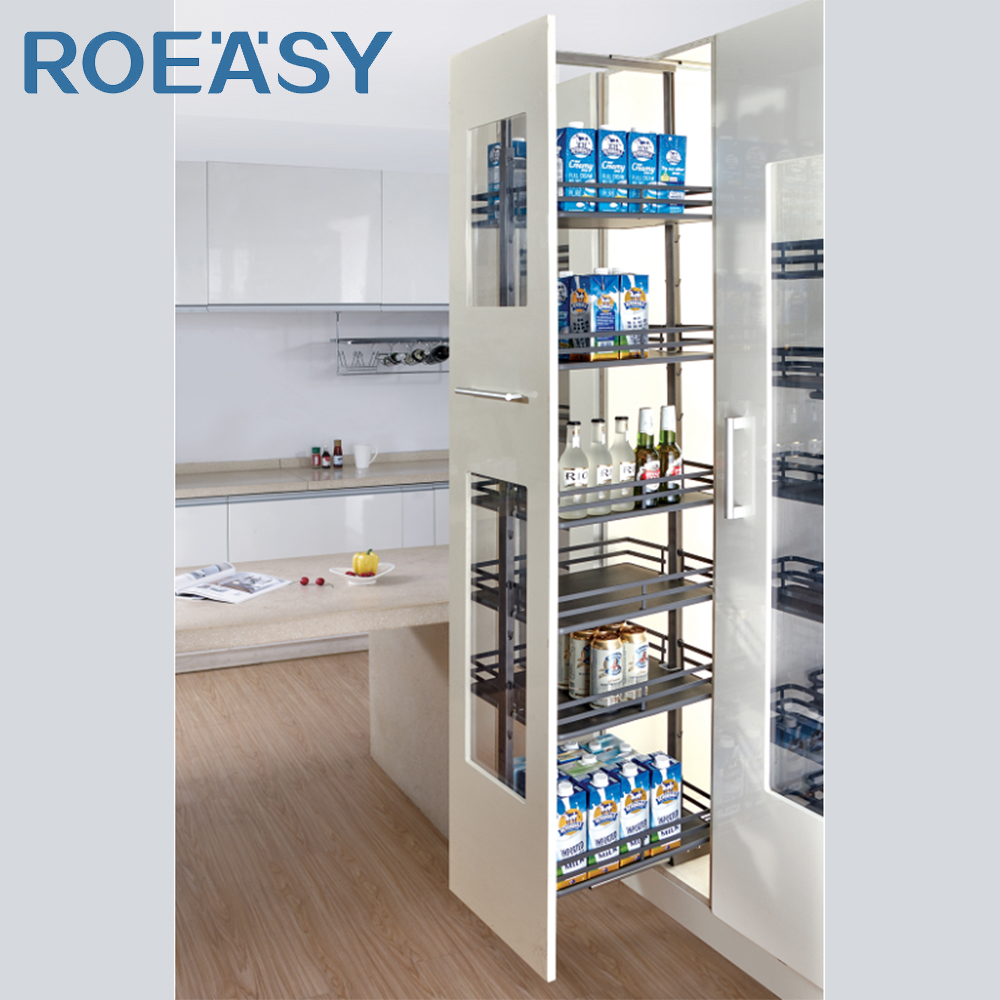
ROEASY Pull Out Pantry Basket Soft Closing 6 Tires Beverages Storage Shelves Tall Cabinet Pantry Unit for Kitchen
- Capacity: 6 Heavy-Duty Baskets
- Rail System: Synchronized Undermount Runner
- Payload: Up to 70 kg Net Weight
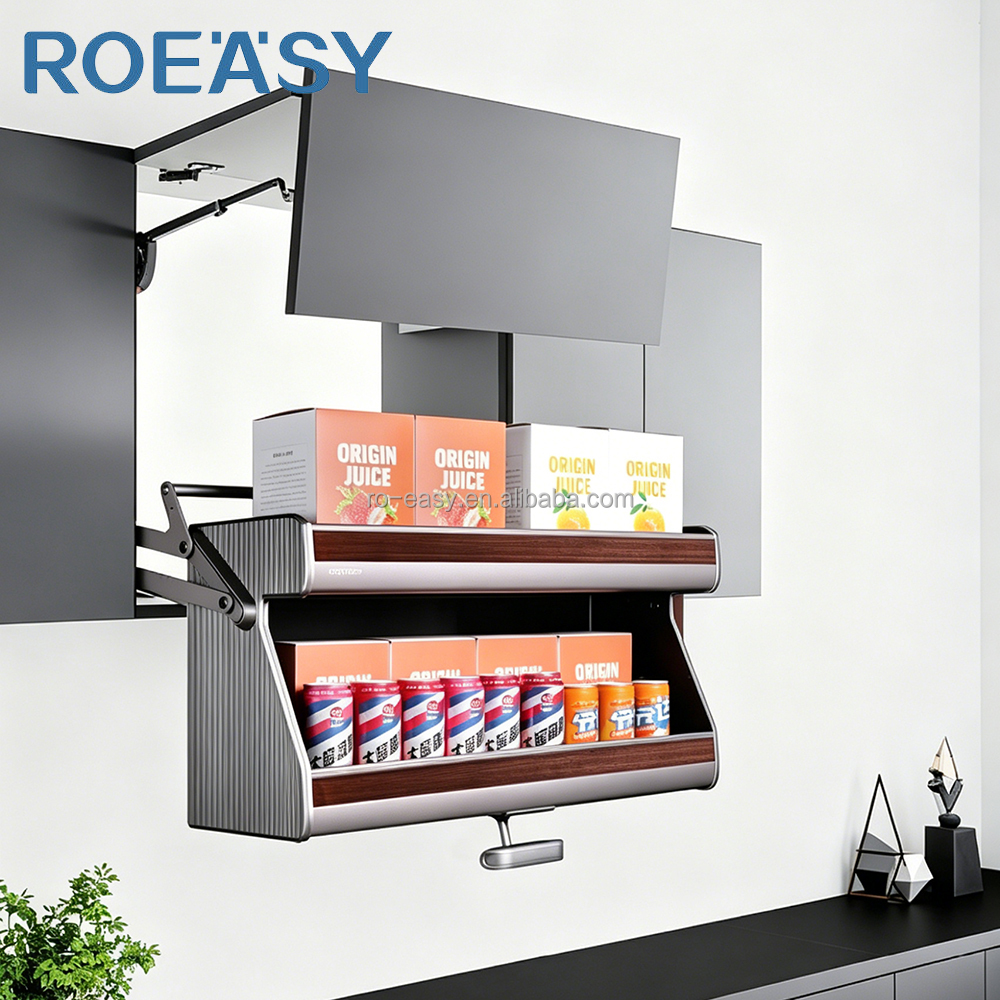
Home Storage Organizer Electric Lifting System Kitchen Cabinet Pull Down Basket Lift
- Drive Type: Ultra-Quiet BLDC Motor
- Safety Sensor: Anti-Pinch Obstacle Reversal
- Operation: Capacitive Touch & Remote
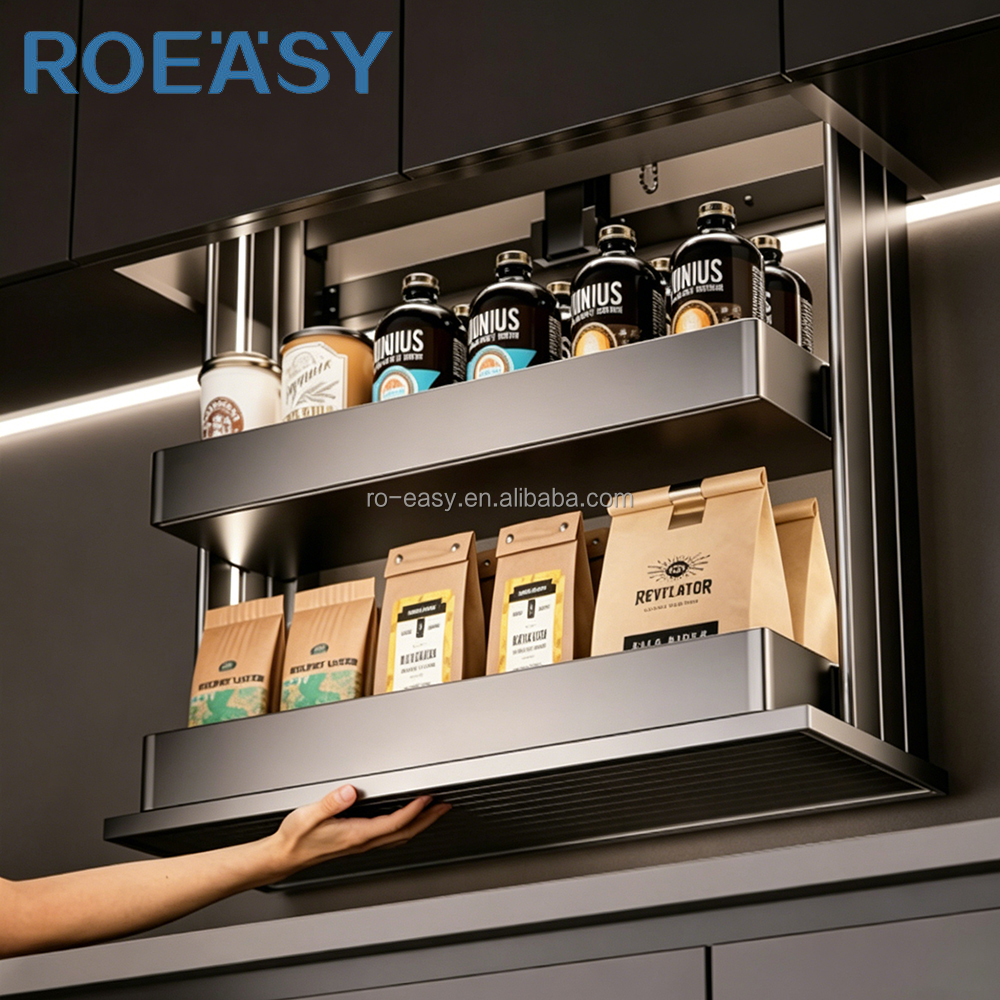
Smart Kitchen Cabinet Lift Electric Vertical Lift System for Upper Cabinets, Motorized Pull Down Shelf for Kitchen Storage
- Integration: Upper Wall Cabinet Fitting
- Stroke: Smooth Vertical Travel 450mm
- Noise Level: < 42 dB Operational Noise
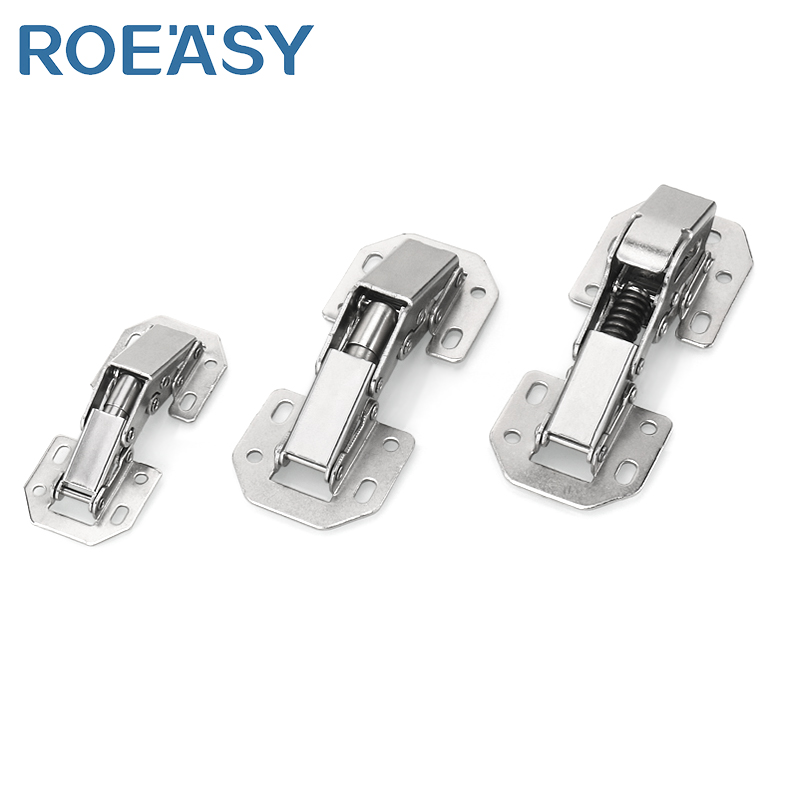
3/4 Inch Special Frog Concealed 90 Hinges Soft Closing Hydraulic Spring Loaded Nickel Plated No Drilling Parallel Kitchen
- Mounting: No Cup Boring Required
- Mechanism: Hydraulic Parallel Linkage
- Application: Frameless & Specialty Panels
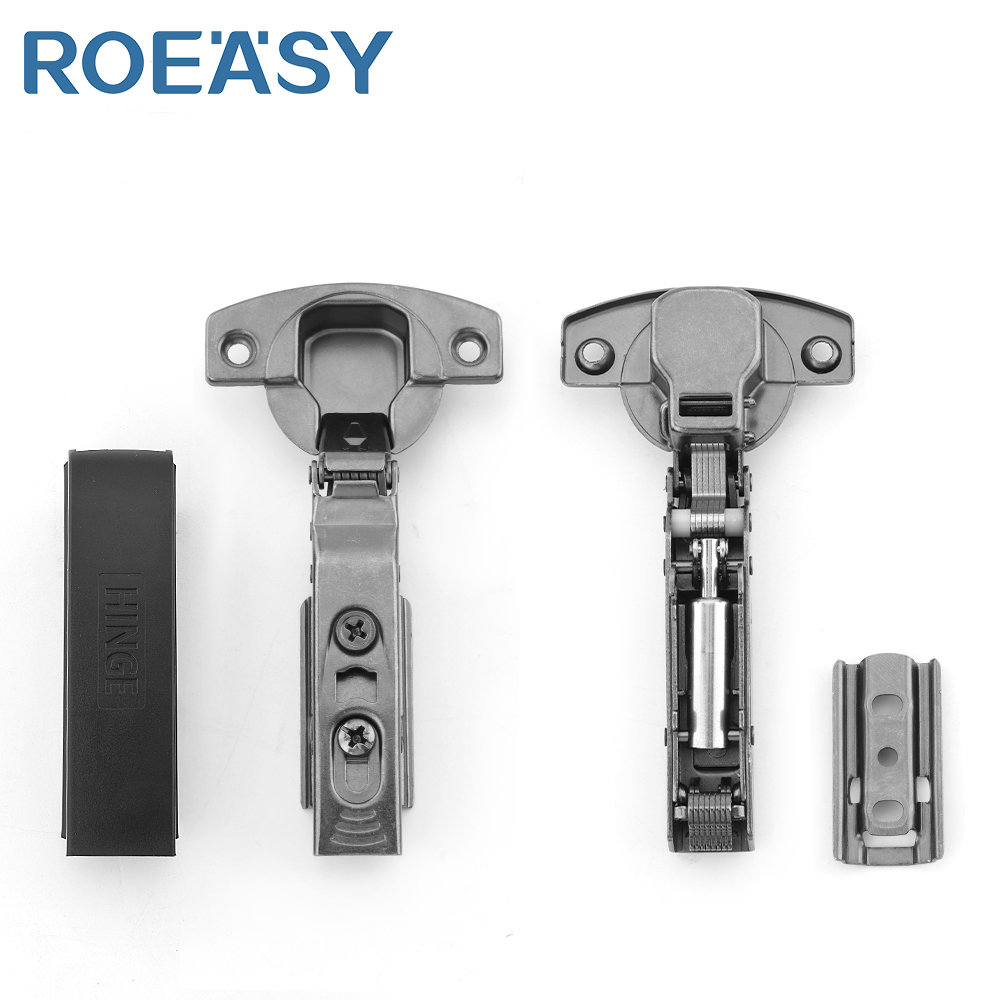
Black 35mm Wingless Hydraulic Soft Close Kitchen Cabinet Hinges with Hiding Feature for Hospital Bedroom Furniture Hardware
- Design: Wingless Concealed Aesthetic
- Finish: Electrophoretic Matte Black
- Resistance: 120h Neutral Salt Spray Rated
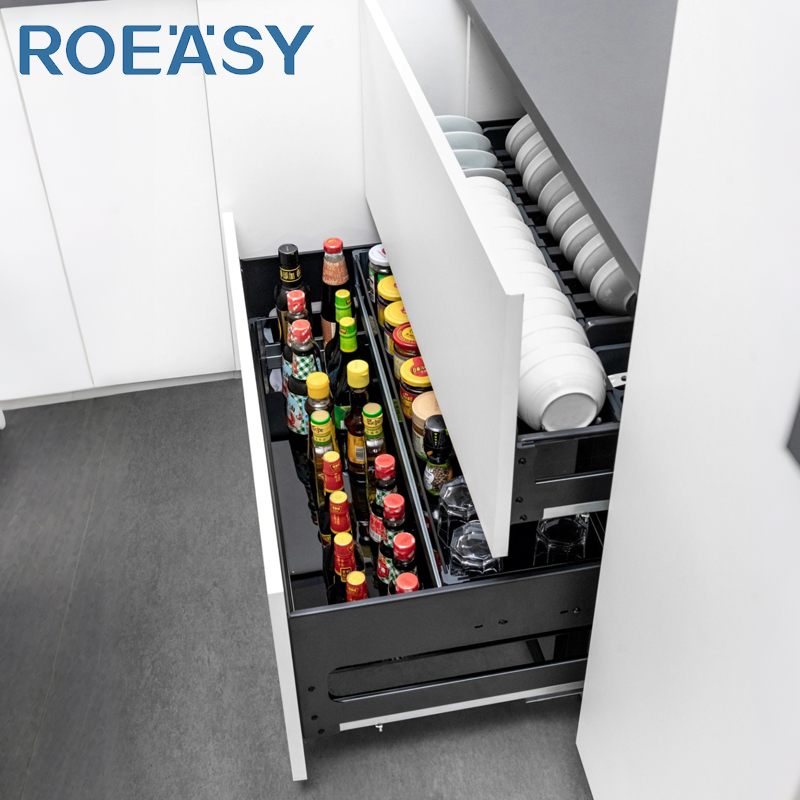
ROEASY Pull Out Dish Drawer Basket for Kitchen Cabinets Storage System Drawer Organizer Dishes Rack Kitchen Basket
- Base Rail: Concealed Undermount Soft-Close
- Material: SUS304 Stainless / Food Safe
- Structure: Modular Plate & Bowl Dividers
Why International Tier-1 Contractors Rely on Britton Hardware
Operating as an SGS onsite-verified manufacturing powerhouse with integrated metallurgy, progressive stamping, electroplating, and robotics since 1992.
Dual Production Hubs (20,000㎡)
Strategically situated in Shantou (Chenghai) and Zhaoqing (Gaoyao), our twin manufacturing centers control every stage of fabrication. From proprietary cold stamping dies to automated robotic assembly lines, Britton eliminates third-party outsourcing variability to ensure unyielding dimensional repeatability across 500,000-unit monthly production cycles.
Fortune 500 Partner & DuPont Alliance
As the authorized exclusive strategic manufacturing collaborator for DuPont household hardware and architectural components, Britton Hardware executes strict multi-point operational audits. Our production quality standards have qualified Britton as a direct tier supplier for multinational building conglomerates, hospitality chains, and major international hardware brands.
In-House Metallurgical & Fatigue Lab
Quality assurance is validated through continuous empirical torture testing. Britton maintains an advanced in-house inspection center equipped with 12 specialized testing apparatuses—including neutral salt spray chambers (ASTM B117), guide rail dynamic cycle testers, digital vernier height gauges, high-load spring dynamometers, and pneumatic hinge durability rigs.
Industrial Kinematic Reliability: The Engineering Difference
In high-traffic architectural spaces, residential developments, and commercial hospitality kitchens, the structural life of cabinetry is dictated entirely by its kinetic hardware. Low-grade commercial hinges frequently suffer from hydraulic fluid leaks, damper blowouts, micro-sagging over 20,000 cycles, and catastrophic corrosion caused by kitchen ambient humidity. At Guangzhou Britton Hardware Product Co., Ltd., our engineering methodology addresses these critical failure modes at the metallurgical source.
Our soft-close hydraulic dampers utilize sealed monolithic copper and nylon-reinforced cylinders charged with ultra-high viscosity dimethyl silicone oil. Unlike mineral-oil alternatives that break down or exhibit viscosity thinning under thermal cycling, our dampers maintain consistent closure deceleration curve profiles across ambient temperatures ranging from -20°C to +60°C. Cold-rolled Q235 structural carbon steel is precision-stamped with progressive multi-stage dies to guarantee microscopic tolerance fits across rivet linkages, eliminating side-to-side arm play even after 100,000 complete door opening and closing iterations.
Future Procurement Trends in Architectural Kitchen Hardware
How global purchasing managers, custom cabinet brands, and project distributors must adapt their sourcing strategies to align with next-generation modular interior requirements.
Electromechanical Smart Motion Integration
Traditional manual cabinetry is rapidly transforming into motorized kinetic systems. Demand for motorized pull-down pantry racks, intelligent capacitive-touch spice shelves, and voice-assisted under-counter dish lifts is surging at a compound annual growth rate (CAGR) of over 14.8%. Commercial buyers are consolidating suppliers by partnering with factories like Britton that can supply both mechanical stamping hardware and certified low-voltage DC drive assemblies.
Zero-Clearance & Concealed Hardware Architecture
Modern minimalist interior trends demand completely invisible joinery. The global custom furniture market is standardizing on ultra-thin 13mm double-wall drawer boxes (Slim Box systems), wingless concealed hinges with zero gap reveal, and undermount synchronized slide runners. Importers who transition from standard bulky side-mount ball bearing slides to concealed undermount runners capture significantly higher distributor margins.
Advanced PVD & Matte Multi-Layer Plating
Traditional bright nickel plating is losing market share to deep architectural finishes—specifically electrophoretic matte black, titan titanium gold, and gunmetal grey. Kitchen and bathroom environments demand rigorous corrosion mitigation: procurement specifications increasingly require 96 to 168 hours of continuous neutral salt spray (NSS) testing per ASTM B117 to prevent unsightly oxidation and surface pitting.
Technical Specification Comparison: Specifying for Longevity
Procuring kitchen hardware requires an objective understanding of metallurgy, kinematic loads, and plating tolerances. The table below outlines standard market specifications versus Britton’s export-grade manufacturing benchmarks.
| Engineering Parameter | Standard Commercial Grade | Britton Export Architectural Grade | Value Advantage for Importers |
|---|---|---|---|
| Hinge Base Material | Re-melted scrap sheet / low gauge SPCC | Virgin Q235 Cold-Rolled Carbon Steel | Superior tensile yield strength; prevents arm cracking under door load |
| Hydraulic Damper Fluid | Low-viscosity petroleum mineral oil | Synthetic High-Viscosity Dimethyl Silicone | Zero leakage risk; smooth closing speeds from -20°C to +60°C |
| Neutral Salt Spray (NSS) | 24 to 48 Hours (Grade 5–6) | 96 to 144 Hours (Class 10 ISO 9227) | Zero rust blooms in coastal or high-humidity tropical climates |
| Drawer Slide Ball Retainer | Recycled plastic retaining cages | Hardened zinc-plated steel cage + 304 bearings | Effortless smooth tracking under 45kg–70kg full extension payload |
| Cycle Durability Certification | 20,000 – 30,000 cycles | 80,000 – 100,000 certified cycles (EN 15570) | Eliminates field warranty claims for developers and cabinet builders |
Evolution of Hardware Manufacturing & Tolerances
From single-stage hand-fed stamping presses to fully synchronized automated robotics—how China's premier hardware exporters engineered global cost-performance dominance.
The Shift Toward Progressive Stamping & Automated Laser Metrology
Thirty years ago, China’s furniture hardware production was characterized by labor-intensive, fragmented workshops that resulted in dimensional variances between production batches. Today, Britton Hardware operates continuous high-speed multi-station progressive stamping presses with tooling designed, milled, and wire-cut in our in-house tool and die facility. Stamping our hinge links from single continuous master coils of Q235 steel ensures that hole centers, hinge arm swivels, and pin-bearing sleeves match engineered CAD schematics down to +/- 0.02mm tolerances.
Furthermore, automated robotic riveting lines have replaced manual peening. Center-rod automatic riveting machinery applies exact computerized tonnage during head expansion, ensuring that internal hydraulic dampers are neither compressed prematurely nor loose within their housing. This automation achieves uniform closing kinetics: every door across a 50-kitchen condominium project decelerates at an identical dampening rate, eliminating uneven door closure speeds that cause end-user dissatisfaction.
Frequently Asked Questions by Global Hardware Buyers
Comprehensive answers addressing metallurgy, quality auditing, minimum order quantities, logistics consolidation, and private-label customization.