Precision-Engineered Cabinet Hinges & Modular Storage Hardware
Explore our top export series engineered for modular kitchen cabinets, tall larders, and luxury storage casework. Tested rigorously in-house to exceed DIN EN 15570 Grade 3 requirements.
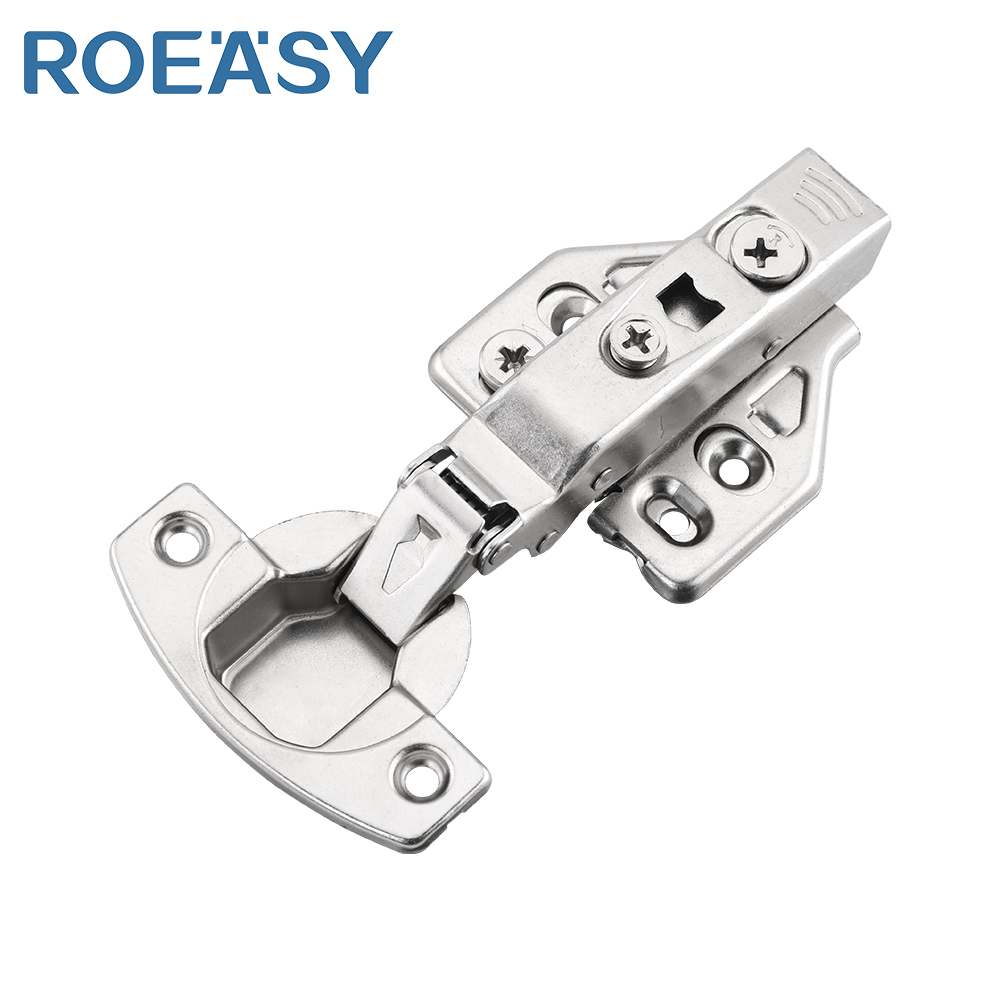
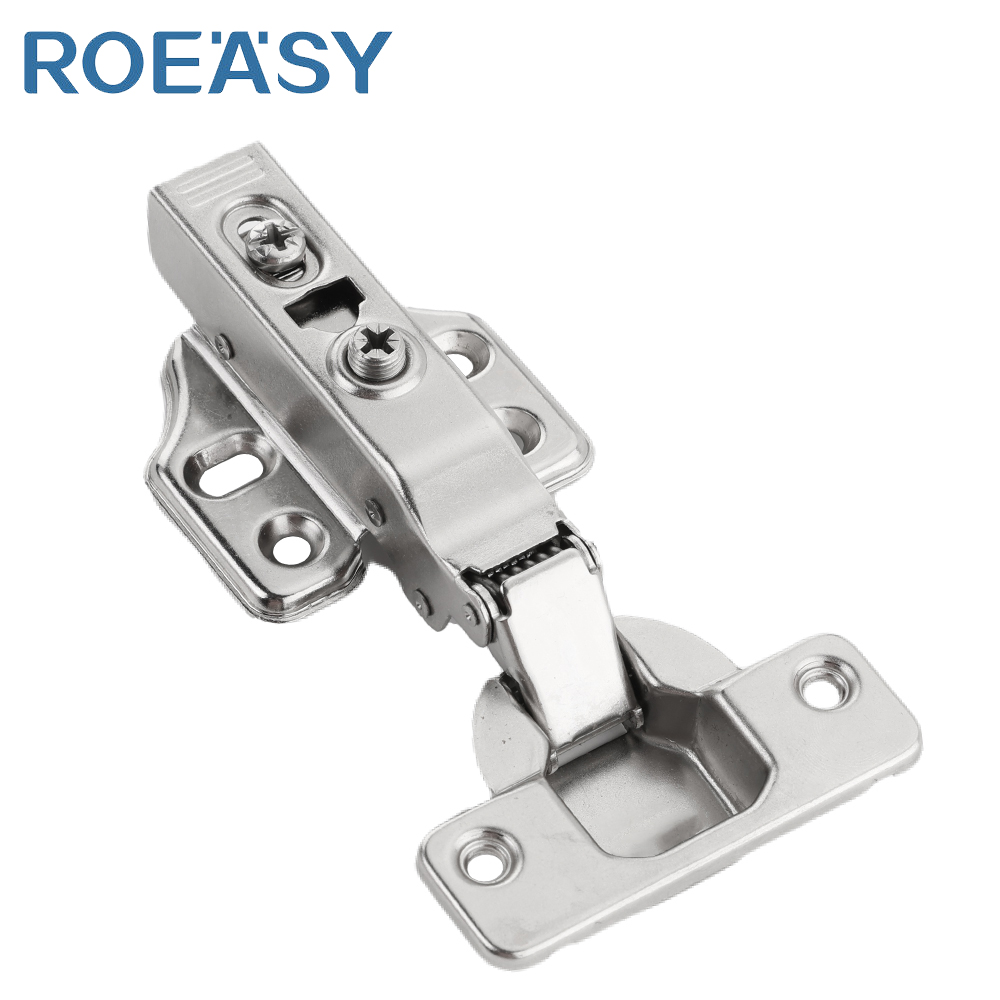
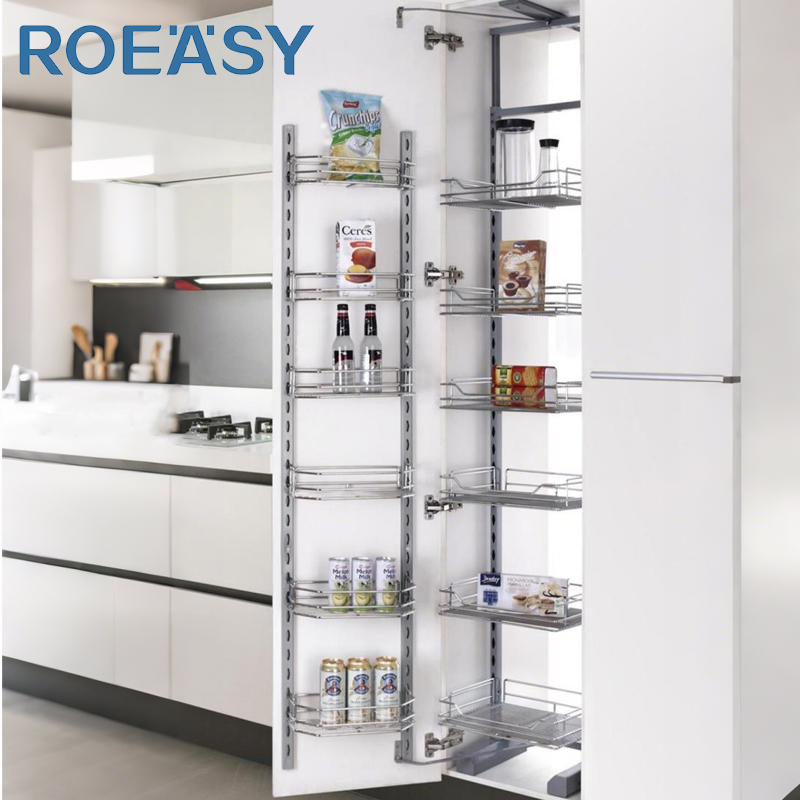
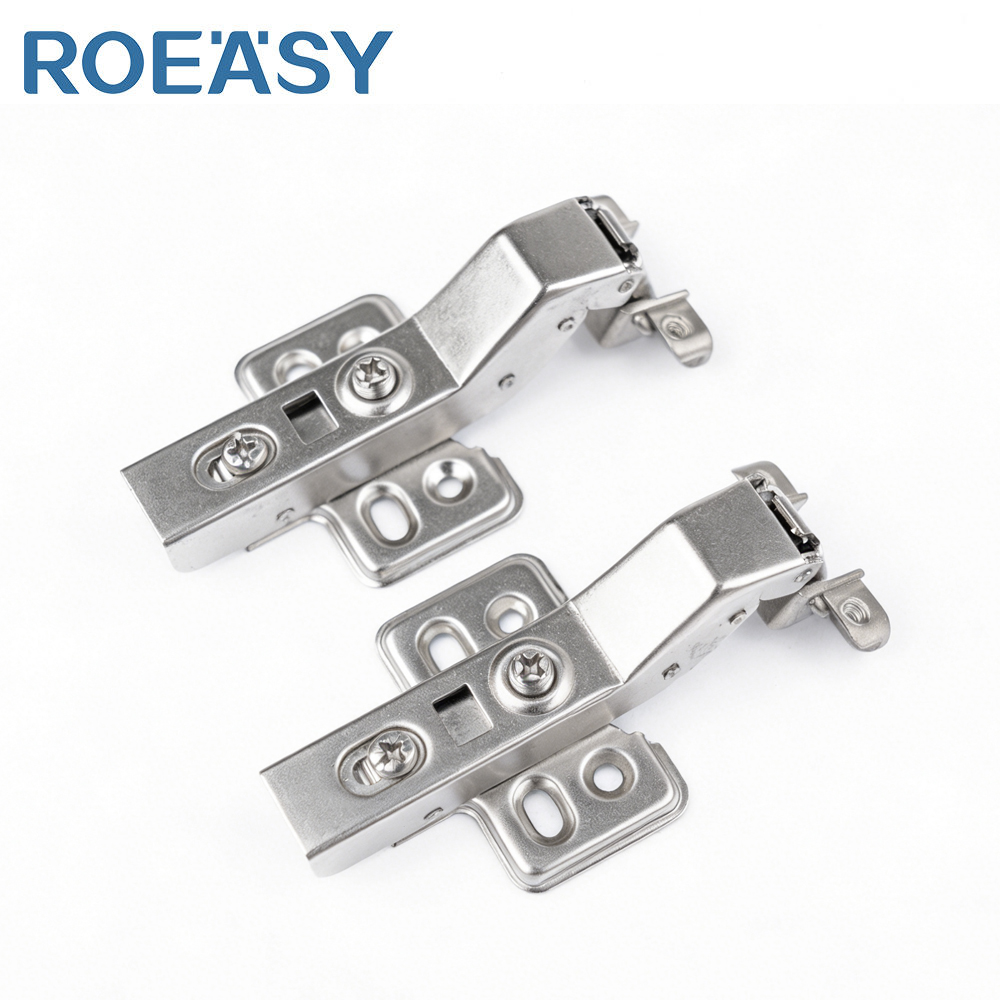
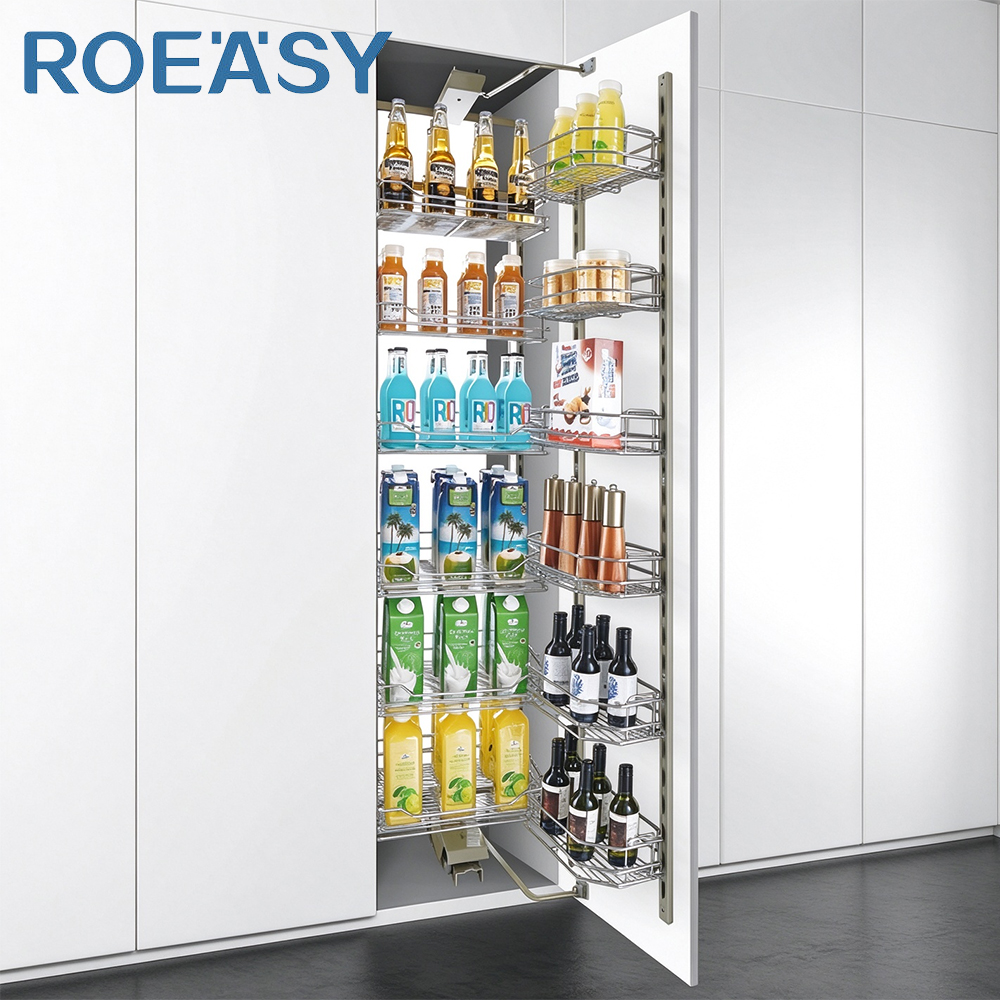
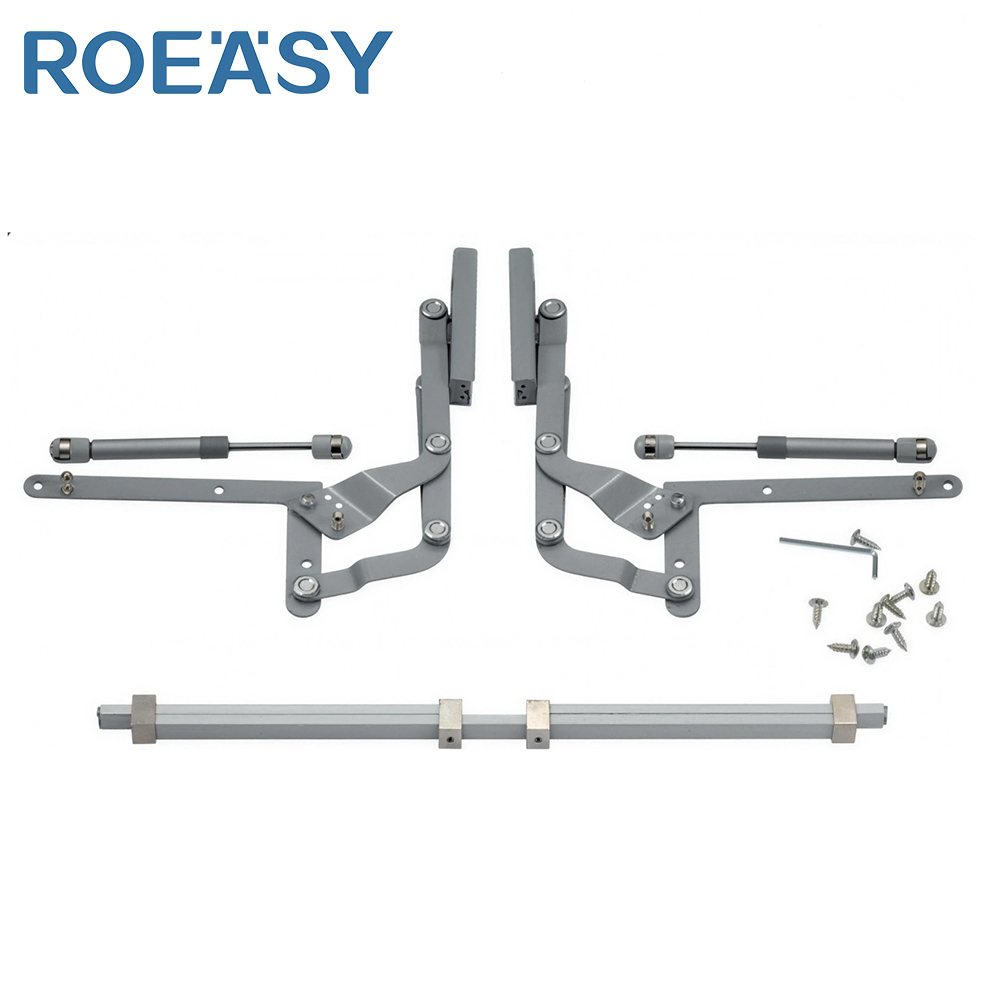
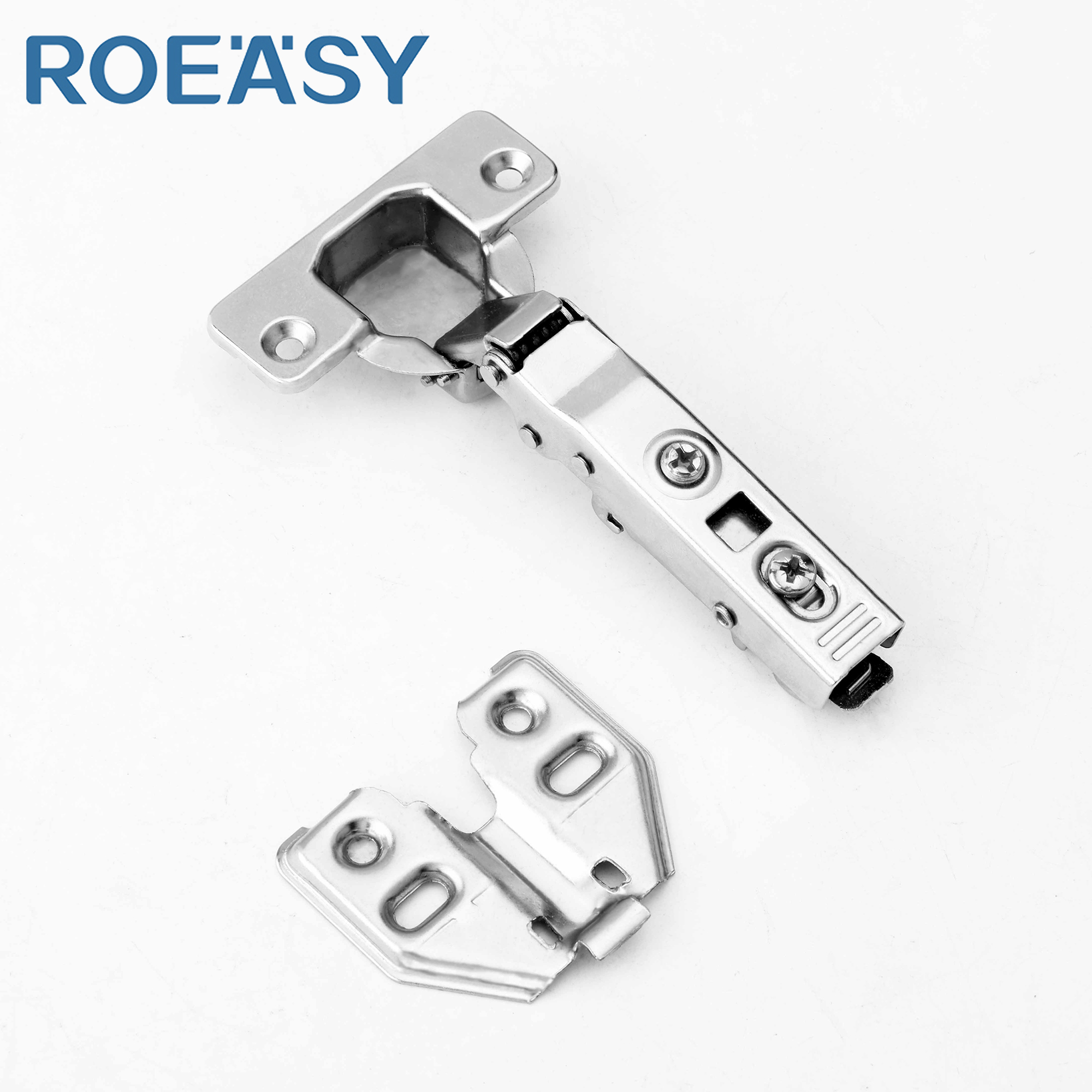
Comprehensive Evaluation: Top 10 Kitchen Cabinet Hinges Exporters
International casework procurement requires understanding the technological and geographic divide among global manufacturers. Below is a comparative breakdown of the tier-one manufacturing hubs dominating global OEM, ODM, and brand contract ecosystems.
1. Guangzhou Britton Hardware (China)
Founded in 1992, Britton operates 20,000+ m² across Guangdong (Shantou and Zhaoqing bases). SGS onsite-verified custom manufacturer, Fortune 500 supplier, and strategic partner for DuPont hardware. Renowned for custom 3D hydraulic hinges, slim box systems, and zero-defect automated assembly.
- Core Focus: OEM/ODM, 3D hydraulic damping hinges, drawer slides
- Cycle Life: >80,000 to 100,000 mechanical operations
- Export Hub: Over 60% exported to North America, Middle East, Europe
2. Blum Group (Austria)
The global benchmark for luxury architectural hardware. Blum's CLIP top BLUMOTION system pioneered soft-close integration directly into the hinge cup. Commands substantial pricing power in ultra-luxury custom cabinetry across Europe and North America.
- Strengths: Cutting-edge engineering, ubiquitous global brand pull
- Constraints: High premium cost, extended tooling lead times for OEM
3. Hettich Holding (Germany)
Renowned for the Sensys and Intermat lines, Hettich excels in automated German precision stamping. Their thermal-resistant damping mechanisms are standard in high-volume European fitted kitchens.
- Strengths: Outstanding metallurgical consistency, low profile designs
- Constraints: Rigid product matrix, limited low-run custom flexibility
4. Grass GmbH (Austria/Germany)
Part of the Würth Group, Grass specializes in Tiomos hinge systems featuring variable kinematics and stepped closing resistance. Highly favored by bespoke architectural millwork studios.
- Strengths: Innovative adjustable closing damping curve options
- Constraints: Niche distribution networks in emerging regions
5. Salice S.p.A. (Italy)
Pioneers of the original concealed cup hinge. Salice is celebrated for aesthetically driven minimalist hardware, including the Air series which integrates flush into cabinet top and bottom panels.
- Strengths: Architectural elegance, concealed concealed-profile solutions
- Constraints: Premium pricing tier; requires precise CNC milling machinery
6. DTC / Dongtai Hardware (China)
One of Asia's large-scale publicly traded furniture hardware producers. DTC provides automated manufacturing capacity for high-volume residential developers and flat-pack retailers.
- Strengths: Substantial mass production scale and consistent baseline QC
- Constraints: Less agile for specialized bespoke project customizations
7. FGV - Formenti & Giovenzana (Italy)
Focused on functional, value-engineered European cabinet hardware. Offers cost-effective slow-motion hinges with an emphasis on mass market modular production setups.
- Strengths: Established Mediterranean footprint and solid price-to-performance
- Constraints: Slower update cycles in advanced digital/smart hardware
8. Sugatsune Kogyo (Japan)
Engineered under the LAMP brand, Sugatsune specializes in rotary damping and heavy-duty industrial hinges, featuring high-spec stainless steel construction for high-humidity and commercial food applications.
- Strengths: Exceptional metallurgical tolerances and extreme longevity
- Constraints: Industrial appearance profile; high unit procurement cost
9. Titus Group (Slovenia/UK)
Specialists in modular cabinet assembly hardware and damping technologies. Known for their T-type concealed hinges featuring proprietary multi-point snap-on mounting plates and shallow cup drilling.
- Strengths: High tolerance for misaligned drilling in RTA flat-pack lines
- Constraints: Focused mainly on standardized bulk fittings
10. SAMET (Turkey)
A dominant regional exporter bridging Europe and the Middle East. SAMET produces adjustable Master and Star soft-close hinges backed by modern automated injection molding and stamping factories in Istanbul.
- Strengths: Geographical proximity to European & MENA markets
- Constraints: Component supply chain dependent on imported raw steel variations
| Manufacturer | Primary Production Bases | Core Hinge Line | Cycle Testing Standard | Salt Spray (ISO 9227) | OEM/ODM Custom Flexibility |
|---|---|---|---|---|---|
| Guangzhou Britton | Guangdong (Shantou & Zhaoqing) | 3D Clip-on Hydraulic & Corner Minus 45° | 80,000–100,000 Cycles | 48–96 Hours Neutral Salt Spray | High (In-house tooling & private labeling) |
| Blum Group | Vorarlberg, Austria | CLIP top BLUMOTION 110° | 200,000 Cycles (Lab) | 48 Hours Standard | Low (Proprietary brand catalogs) |
| Hettich | Kirchlengern, Germany | Sensys Integrated Damping | 100,000 Cycles | 48–72 Hours Standard | Medium (Custom bulk volumes only) |
| Grass | Höchst, Austria | Tiomos Kinematic System | 100,000 Cycles | 48 Hours Standard | Low (System brand ecosystem) |
| Salice | Novedrate, Italy | Air & Silentia Series | 80,000 Cycles | 48 Hours Standard | Medium (Bespoke luxury millwork) |
| DTC | Foshan, China | Pivot-Star & Hydraulic Clip | 80,000 Cycles | 48 Hours Standard | Medium (High minimum order quantities) |
Future Procurement Trends: Where Hinge Engineering Is Headed
Furniture and architectural hardware procurement is undergoing a paradigm shift driven by minimalist design, automated offsite construction, and stringent environmental sustainability criteria.
1. Integrated 3D Cam Micro-Adjustment
Traditional manual slotted screws have been displaced entirely by spiral cam mechanisms embedded directly in the hinge body and baseplate. Commercial fitters require independent depth (±2mm), horizontal (±2.5mm), and vertical (±2mm) alignment without releasing mounting screws, reducing onsite casework leveling labor by over 38%.
2. Multi-Stage Hydraulic Fluid Kinematics
Next-generation hydraulic damping is shifting toward "three-stage force" kinetics. Hinges prevent door slam while maintaining an ultra-light initial pulling force (zero resistance starting from 25° opening), followed by continuous hover stabilization, and engaged decelerated soft closure during the terminal 15° arc.
3. Ultra-Thin Profiles for Narrow Aluminum Frames
With luxury interior trends favoring smoked glass display cabinets and slim aluminum extrusion door stiles (down to 18mm–20mm width), hinges have evolved with compact cup cavities and specialized clamping flanges that eliminate unsightly frame bulge and prevent glass stress fracturing.
4. Advanced Anti-Corrosion Plating Chemistries
Global multi-unit developers operating in coastal, tropical, or high-humidity bathroom environments now reject baseline single-layer nickel plating. Demand has accelerated for copper-primed dual-nickel plating and titanium electro-deposition capable of withstanding 96+ hours in neutral salt spray testing without pitting.
5. Concealed Push-to-Open Integration
Handleless kitchen design language requires synchronized mechanical rebounders coupled with reverse-spring concealed hinges. The industry is moving away from external stick-on push pins toward concealed mechanical latches built directly into the side carcass or hinge geometry itself.
6. Hybrid Stainless Solutions (SUS304/SUS201)
For outdoor kitchens, healthcare facilities, and marine installations, cold-rolled steel hinges are swapped for stamped 304 austenitic stainless steel linkages. Advanced exporters offer unified hinge profiles so millwork CNC cutouts remain identical regardless of whether cold-rolled steel or stainless is selected.
Why Global Importers Partner with Britton Hardware
Verified onsite by SGS Group, Guangzhou Britton Hardware Product Co., Ltd. blends 33+ years of metallurgical toolmaking with modern automated manufacturing across two Guangdong production facilities.
2 Dedicated Production Bases
Operating over 20,000 m² across Shantou (Chenghai) and Zhaoqing (Gaoyao), handling plastic injection, precision tooling, progressive metal stamping, die-casting, and automatic robotic assembly under one roof.
24 In-House R&D Engineers
Equipped for comprehensive OEM and ODM mechanical development. From kinematic 3D CAD modeling to in-house mould fabrication, tooling cycles are reduced to 25–35 days for rapid commercial scaling.
9 QA/QC Full-Time Inspectors
Dedicated quality control covering every batch. Strict inspection protocols span incoming coil gauge verification, in-line robotic riveting alignment, damper pneumatic pressure testing, and final packaging checks.
Certified Testing Laboratory
Equipped with cycle fatigue rigs, computerized tensile testers, salt-spray chambers, screw torque calibrators, and Rockwell hardness testers. Test reports are readily provided for client compliance dossiers.
Frequently Asked Questions on Sourcing Cabinet Hinges
Clear answers to critical metallurgical, testing, operational, and commercial parameters encountered when qualifying high-volume cabinet hinge manufacturers.
What is the technical difference between full overlay, half overlay, and inset hinges?
Overlay determines how the cabinet door covers the carcass face: Full Overlay (straight arm / 0mm crank) places the door fully over the cabinet side panel edge; Half Overlay (medium crank / 9mm) allows two doors to share a single 18mm center partition; Inset (big crank / 18mm) positions the door completely flush inside the cabinet opening.
How does an importer distinguish quality hydraulic dampers from low-cost alternatives?
Substandard dampers rely on low-viscosity industrial oils and plastic shells susceptible to seal rupture under winter conditions. Premium dampers utilize high-density aerospace-grade silicone fluid sealed inside seamless brass or cold-drawn carbon steel cylinders, rated for extreme temperatures (-20°C to +50°C) without oil leakage or loss of damping curve resistance.
What international testing standards should be specified on OEM purchase agreements?
For European and Middle Eastern contracts, specify EN 15570 Level 3 (durability testing over 80,000 cycles with dynamic door weight). For North American projects, mandate compliance with ANSI/BHMA A156.9 Grade 1. Additionally, require neutral salt spray tests under ISO 9227 (minimum 48 hours for standard residential, 96 hours for coastal/kitchen projects).
What Minimum Order Quantities (MOQs) apply for custom brand tooling and OEM stamping?
Standard hydraulic hinges in factory finishes generally carry an MOQ of 1,000 to 3,000 pieces. For custom laser etching or client-branded stamp dies on hinge arms and cover caps, MOQ is typically 10,000 to 20,000 pieces. Britton also supports sampling batches starting from 10 pieces for initial fit-and-function validation.
How many hinges should be installed per cabinet door based on height and weight?
Standard architectural rules require: 2 hinges for door heights up to 900mm (weight <5kg); 3 hinges for heights up to 1600mm (weight 6–9kg); 4 hinges for heights up to 2000mm (weight 9–14kg); and 5 hinges for full-height floor-to-ceiling wardrobes up to 2400mm (weight up to 22kg). Door width exceeding 600mm increases leverage, requiring additional hinge support.
Can Britton consolidate mixed container loads with drawer slides and storage fittings?
Yes. As an integrated manufacturer supplying hinges, ball bearing slides, undermount slides, slim boxes, and pantry pull-out units, Britton regularly consolidates mixed container shipments (FCL) from our Guangzhou logistics hub, allowing importers to streamline SKUs, unify QC, and optimize shipping freight rates.