Engineering Precision
Featured Architectural & Cabinet Storage Systems
State-of-the-art motion hardware engineered for seamless residential, commercial, and modular cabinetry integration, tested to rigorous fatigue and load-bearing parameters.
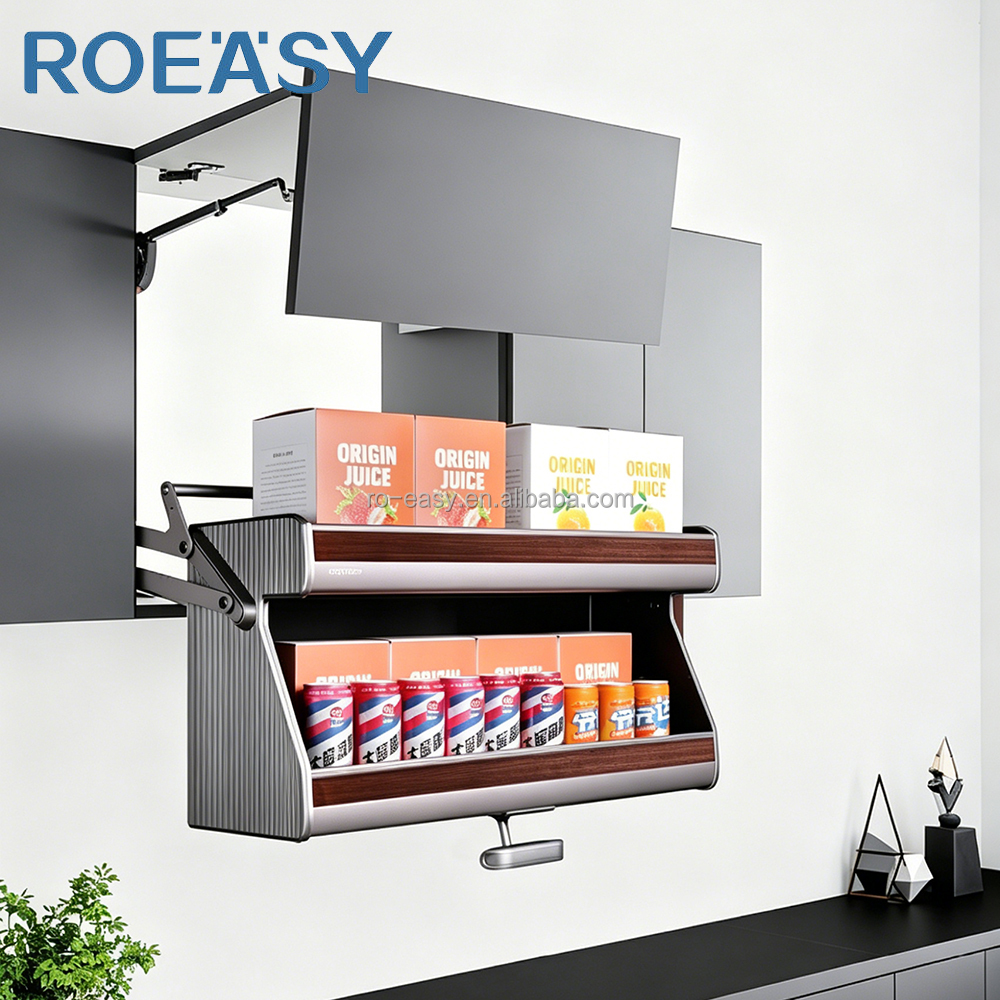
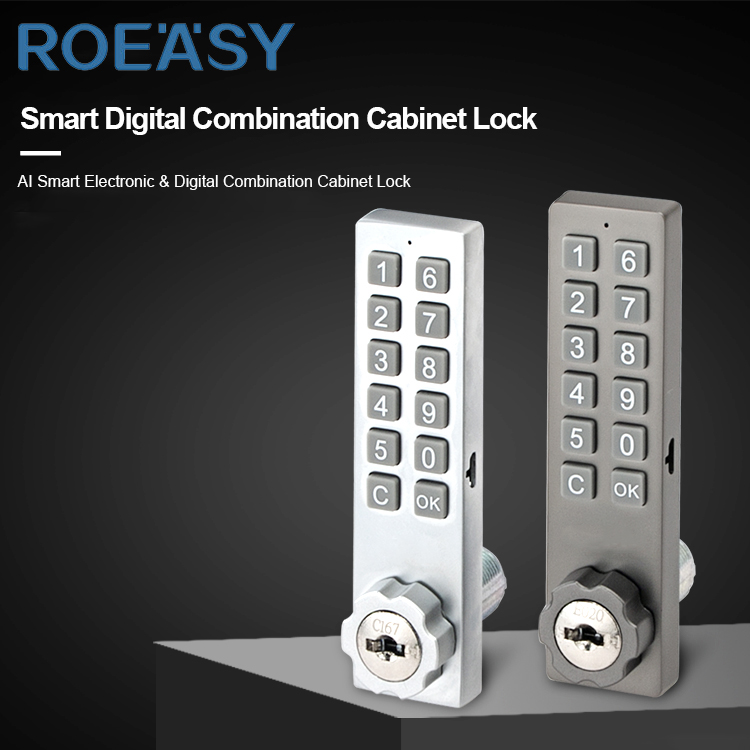
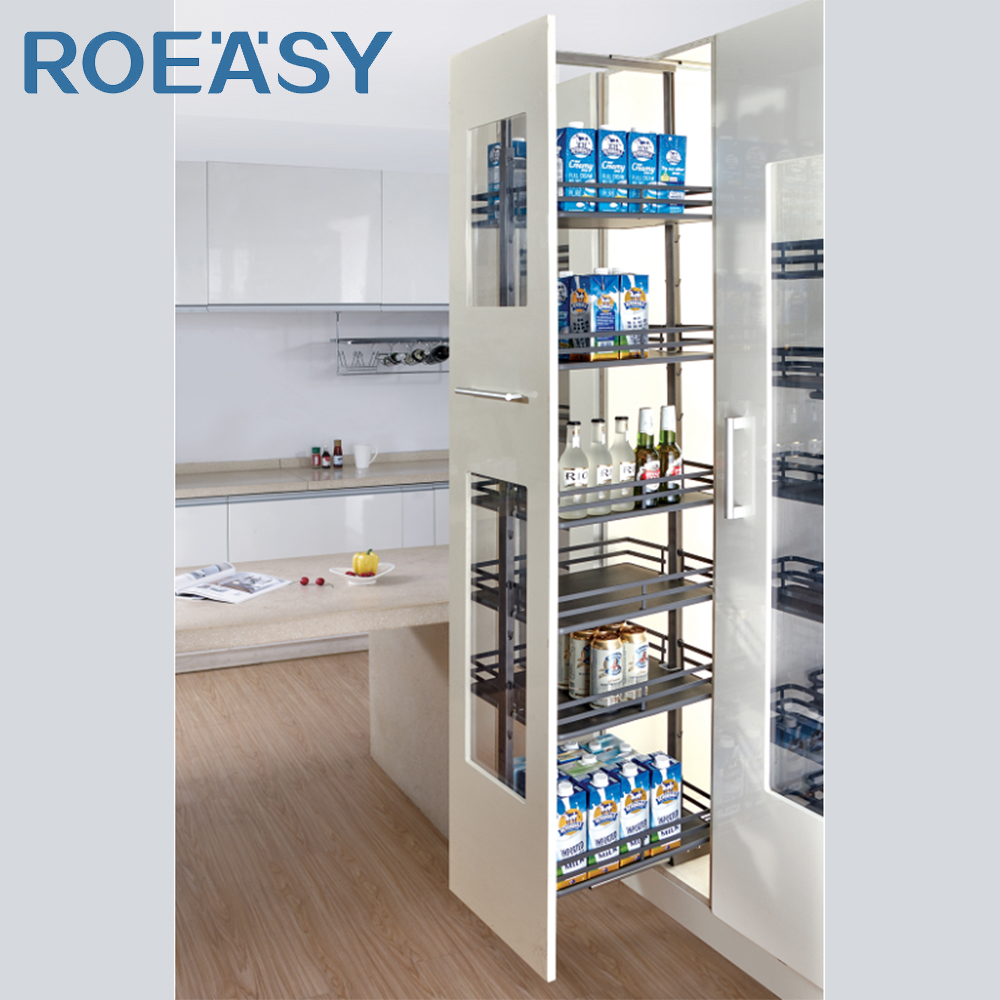
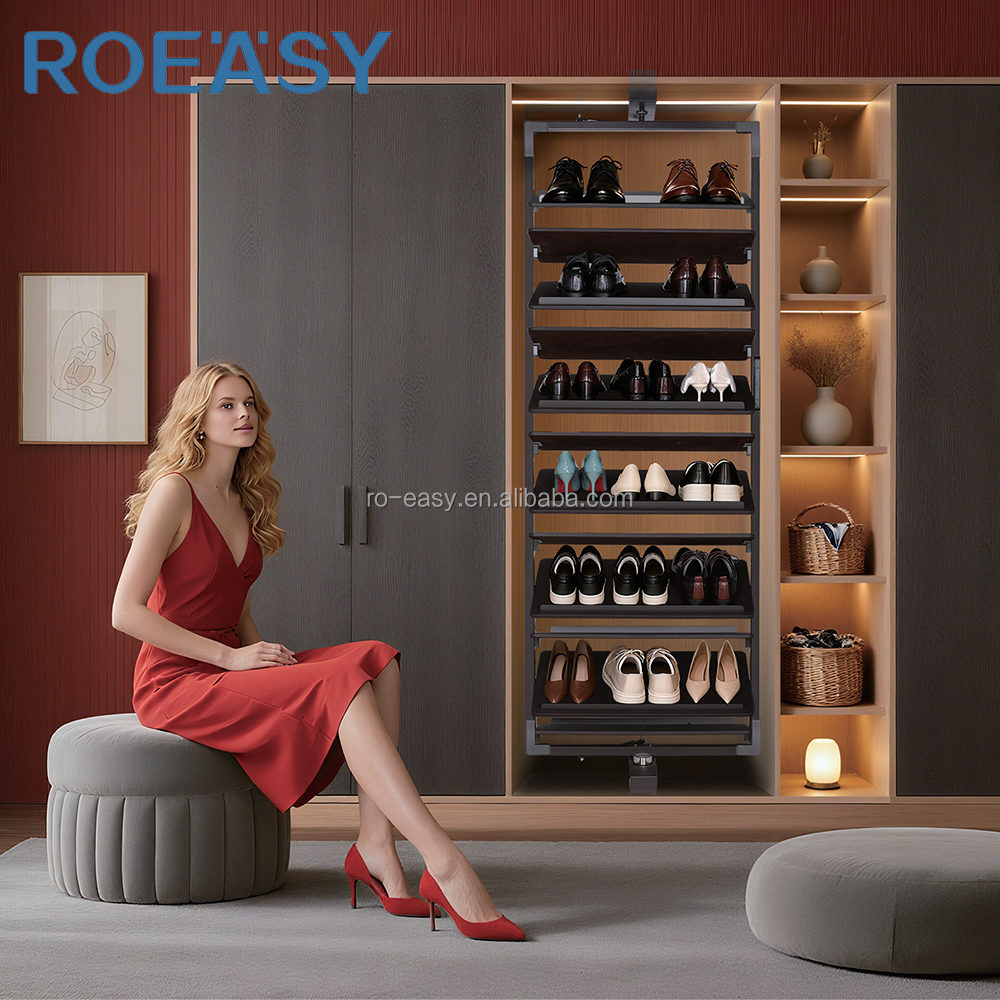
1. The Evolution of Kinetic Hardware in High-Volume Cabinetry Manufacturing
Modern architectural casework and panel-processing industries depend entirely on the mechanical reliability of concealed furniture hinges. What appears on the surface to be a standard stamped metal hinge cup is in reality a complex multi-link kinematic mechanism operating under continuous mechanical stress. Global procurement managers overseeing commercial millwork, residential developments, or large-scale knock-down (RTA) furniture programs face an increasingly complex supplier landscape. With the rapid evolution from basic friction pivot joints to hydraulic multi-stage damping systems and fully concealed 3D-adjustable linkages, qualifying the right manufacturing partner is essential to protecting brand equity and preventing catastrophic field failures.
The global furniture hinges market, projected to expand at a steady compound annual growth rate (CAGR) exceeding 5.2% over the next decade, is being heavily driven by urban spatial optimization, handleless aesthetic demands, and the rapid adoption of thick, composite, and acoustic paneling. To achieve long-term structural viability, high-volume furniture manufacturers must evaluate suppliers not solely on unit price, but on metallurgy compliance, cyclic degradation profiles, salt-spray corrosion resistance, and automated stamping precision.
100,000+
Cycles Durability Standard
96 hrs
Neutral Salt Spray Resistance
±2 mm
Precision 3D Cam Calibration
< 0.03%
Piston Fluid Leakage Margin
225 kg
Heavy-Duty Hardware Capacity
2. Top 10 Furniture Hinges Factories & Global Suppliers Benchmarked
When selecting a tier-1 furniture hinge partner, procurement officers navigate a spectrum ranging from premier European premium brands to ultra-efficient, highly agile Chinese OEM/ODM direct manufacturers. Below is the objective engineering assessment of the world's leading furniture hinge producers:
| Manufacturer | Primary Production Hub | Core Mechanical Strength | Testing Benchmark | OEM / ODM Flexibility |
|---|---|---|---|---|
| 1. Julius Blum GmbH | Austria | Integrated CLIP top BLUMOTION, premium kinematic geometry | EN 15570 Level 3 (200k cycles) | Standardized catalog, minimal custom ODM |
| 2. Hettich Group | Germany | Sensys silent soft-close, shallow cup depth designs | DIN 68857, ANSI/BHMA A156.9 | Focus on enterprise automotive/furniture Tier-1 |
| 3. Britton Hardware (Guangzhou) | Guangdong, China | Patented 3D hydraulic damping, cold-rolled multi-stage cams, full custom OEM | SGS Certified, 100k+ cycles, 96h Salt Spray | Extensive OEM/ODM, private tooling, mixed container loads |
| 4. GRASS GmbH | Austria / Germany | Tiomos concealed hinge system with integrated step-damping | EN 15570 Grade 3 | High-end architectural specifications |
| 5. Salice (Arturo Salice S.p.A.) | Italy | Silentia series, concealed push-to-open, aesthetic covers | UNI EN 15570, ISO 9001 | Design-focused high-end millwork lines |
| 6. Dongtai Hardware (DTC) | Guangdong, China | High-speed automated mass stamping, pivot hinge lines | ISO 9001, ANSI Grade 1 | High-volume standard runs, mass distribution |
| 7. Sugatsune Kogyo | Japan | Lapcon soft-motion dampers, SUS304 marine hinges | JIS Standards, severe environment testing | Specialty architectural & industrial hardware |
| 8. FGV (Formenti & Giovenzana) | Italy / China | SlowMotion damping cartridges, cost-engineered hinge arms | EN 15570 Compliance | Competitive European-standard contracts |
| 9. Häfele Group | Germany | Metalla series, broad architectural integration systems | DIN standards, global supply chain QA | Global catalog distribution & project specification |
| 10. Titus Group | Slovenia / UK | T-type concealed hinges with multi-pivot zero-sag kinematics | FIRA Gold Product Award Certified | RTA furniture automation & snap-on systems |
While European manufacturers historically pioneered precision damping mechanics, leading Chinese integrated industry-and-trade manufacturers like Guangzhou Britton Hardware have achieved engineering parity. By establishing self-contained industrial stamping facilities, in-house metallurgical testing labs, and robotic riveting assembly lines, top-tier Chinese factories offer identical cycle endurance profiles at dramatically reduced total-cost-of-ownership (TCO) margins.
3. Critical Technical & Product Development Trends
The furniture hinge sector is undergoing a profound mechanical transformation. As residential and commercial architectural spaces integrate invisible cabinetry and handle-free facades, furniture hinges must withstand heavier door loads without sagging or hydraulic fluid breakdown. The following technical paradigms define next-generation hinge production:
Multi-Stage Hydraulic Buffering
Traditional single-chamber hydraulic pistons frequently exhibit mechanical bounce-back on lightweight doors or insufficient braking resistance on heavy panels. Modern hinges employ three-stage force resistance using high-viscosity silicone damping fluid, providing smooth deceleration from a wide 60° closing angle right down to a silent 0° rest.
6-Way Eccentric 3D Calibration
Cabinet assembly errors in field installations require fast, tool-free alignment. Leading hinges incorporate eccentric cam screws engineered directly into the hinge arm and mounting base, enabling independent, continuous fine-tuning across height (±2 mm), depth (±2 mm), and lateral overlay (±2 mm) without loosening the mounting screws.
Advanced Metallurgy & Salt Spray Resistance
In high-humidity kitchens, bathrooms, and coastal climates, standard nickel flash plating deteriorates rapidly. State-of-the-art factories employ double-layer electroplating—a deep copper undercoat topped with high-density nickel or electrophoretic titanium black—yielding neutral salt-spray test endurance exceeding 96 to 120 hours without red rust formation.
Ultra-Thin Profiles & Glass Framing
With the surge in minimalist aluminum-framed glass vitrines and wardrobe systems, specialized square flat-arm hinges (such as the KH05 series) minimize hardware footprint. These hinges maintain full soft-closing functionality while fitting within ultra-narrow 18mm aluminum profiles, eliminating interior visual clutter.
Zero-Protrusion & Wide-Angle Kinematics
For cabinets fitted with internal pull-out drawers or seasoning racks, standard 110° hinges obstruct the drawer path. 155° and 165° zero-protrusion hinges swing the door completely clear of the cabinet carcase edge at 90°, allowing interior sliding systems to extend cleanly without adding costly spacing strips.
4. Strategic B2B Sourcing Trends for 2025–2030
Professional procurement teams within major furniture brands and construction networks are shifting away from fragmented spot-market purchasing toward consolidated strategic manufacturing alliances. The following trends dictate successful sourcing operations:
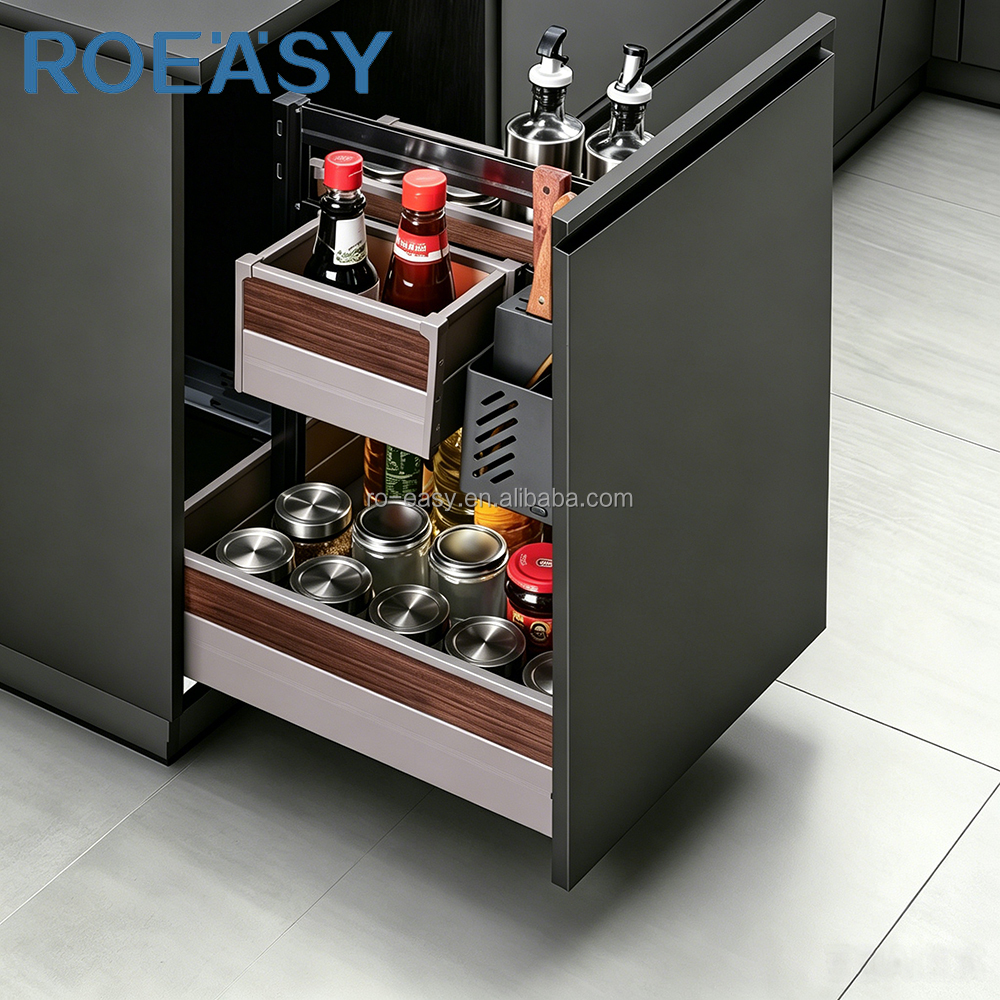
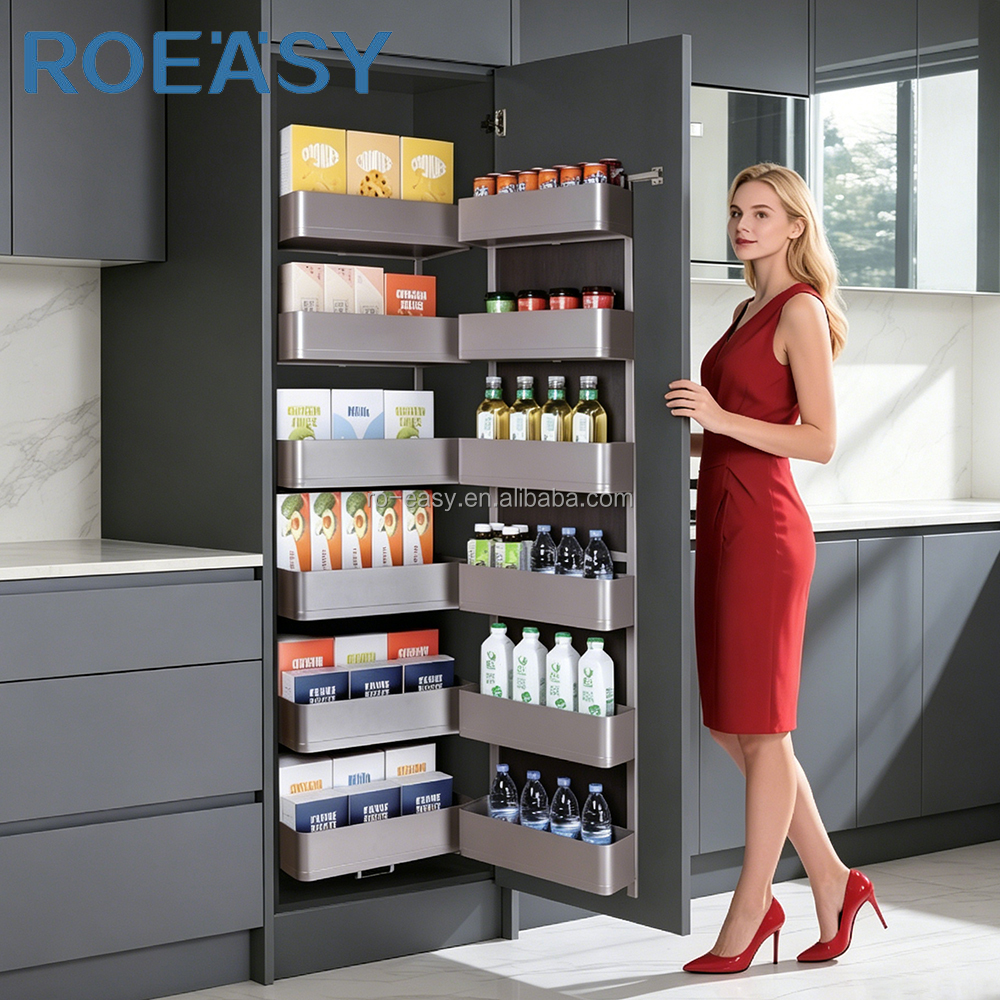
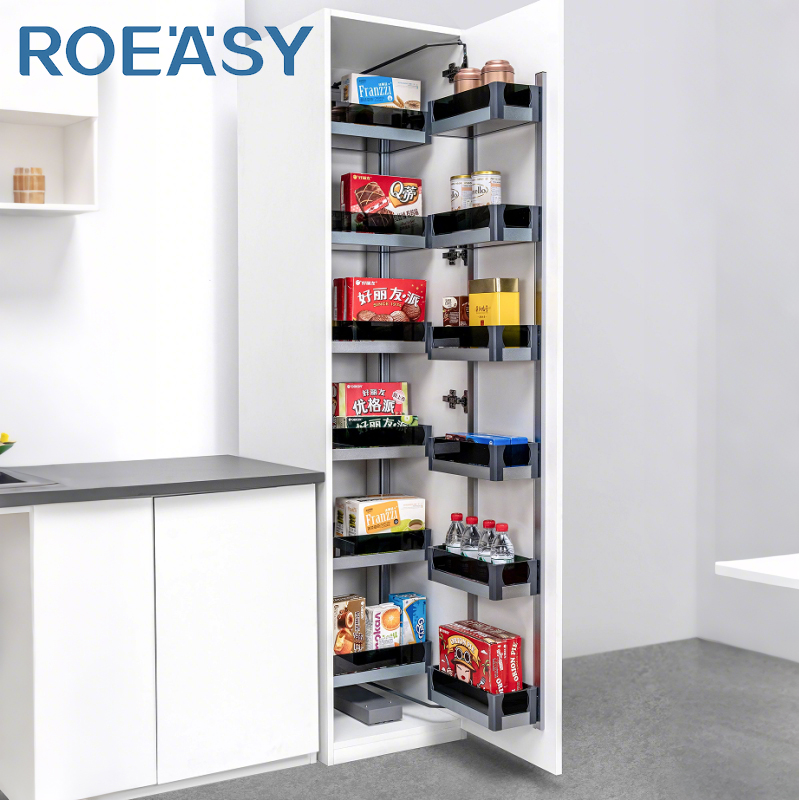
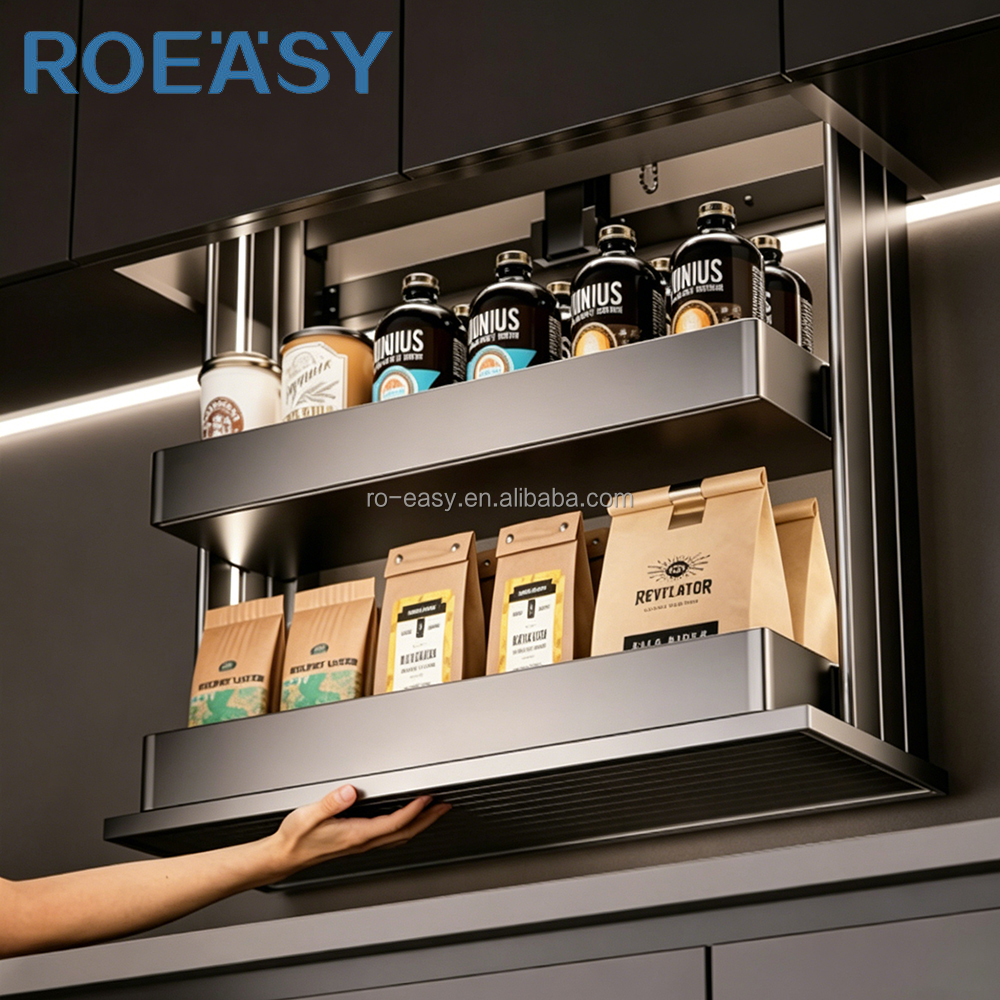
1. Full-Package Cross-Category Sourcing: Sourcing cabinet hinges in isolation generates high logistical friction. Sophisticated buyers bundle concealed hinges, undermount drawer slides, slim metal drawer boxes, and architectural pull-out organizers into consolidated container manifests. This ensures cohesive finish matching (e.g., uniform matte black or brushed nickel throughout) while optimizing shipping container cubic capacity.
2. Third-Party Audited Supply Chain Traceability: Sourcing managers require comprehensive verification. Factory audits performed by global testing bodies like SGS Group verify that the vendor operates genuine stamping lines, CNC die-casting machinery, and automated assembly fixtures, rather than functioning merely as an unverified packaging reseller.
3. Private Labeling & High-Tolerance Custom OEM: With competitive margin pressures across retail and distribution, importers increasingly require custom stamping on hinge arms, branded plastic cover caps, customized screw patterns, and retail packaging ready for distribution. OEM tooling capabilities and rapid prototyping lead times have become key competitive differentiators.
5. Guangzhou Britton Hardware Product Co., Ltd. – Enterprise Advantages
Founded in 1992, Guangzhou Britton Hardware Product Co., Ltd. represents over three decades of engineering dedication in furniture and architectural motion hardware. Operating as an integrated industry-and-trade enterprise, Britton Hardware bridges advanced engineering research with high-volume industrial manufacturing capacity.
SGS Onsite Audited
Verified production premises and QA capabilities certified by SGS Group, providing verified operational transparency and risk-free supplier qualification.
Dual Production Bases
Over 20,000 m² total site area across two primary manufacturing centers in Shantou (Chenghai) and Zhaoqing (Gaoyao), housing 229 verified production specialists.
In-House Testing Lab
Dedicated quality testing lab featuring cycle durability testers, guide rail fatigue rigs, neutral salt spray chambers, screw torque analyzers, and digital height gauges.
Fortune 500 & DuPont Partner
Exclusive partner for DuPont household hardware; experienced tier-1 OEM contractor for Fortune 500 enterprise supply chains and international hardware distributors.
24 R&D Engineers & 9 QC Staff
In-house tooling, mold-making, and rapid functional prototyping supported by an active R&D department and 9 full-time QA/QC inspectors monitoring incoming, in-process, and final packing stages.
6. Frequently Asked Questions by Professional Hardware Buyers
What standard cyclic fatigue testing standards should be specified for contract cabinetry?
For residential and commercial applications, hinges should meet or exceed European Standard EN 15570 Level 2 (40,000 cycles) or Level 3 (80,000 to 100,000 cycles under loaded door conditions). In the North American market, hinges are benchmarked against ANSI/BHMA A156.9 Grade 1 requirements. Britton Hardware tests its hydraulic hinges up to 100,000 dynamic cycles with a door load of up to 7.5 kg per pair without damper fluid failure or arm play exceeding 0.5 mm.
How does base plate selection (2-hole vs 4-hole vs 5-hole) affect high-density particleboard installations?
In economy flat-pack furniture utilizing low-density particleboard, standard 2-hole wing plates can tear out under torque. 4-hole and 5-hole mounting plates spread the tensile pull across a wider carcase surface area. Furthermore, euro-screw mounting configurations provide substantially greater shear resistance than standard wood screws in pre-drilled 32mm system holes.
What causes soft-close hydraulic dampers to leak or lose resistance over time?
Damper degradation typically results from inferior seal polymers (which become brittle in low temperatures or degrade in heat), substandard piston rod micro-finishes that score the O-ring, or low-grade mineral oil instead of synthetic high-viscosity silicone fluid. Britton Hardware utilizes precision-ground brass or POM hydraulic cylinder housings paired with aerospace-grade fluororubber seals to ensure consistent damping curves from -15°C to 50°C.
What is the standard Minimum Order Quantity (MOQ) and production lead time for custom OEM orders?
Standard hydraulic concealed hinges typically require an MOQ of 3,000 to 5,000 pieces per specification (crank height and plate type). For custom stamped branding on arms or customized retail color boxes, MOQs generally start at 10,000 pieces. Production lead time for standard repeat orders is 25 to 30 calendar days, while new tooling for custom hinge geometries takes approximately 35 to 45 days for mold development and initial T1 sampling.
How should buyers specify hinges for narrow aluminum frame doors compared to standard wood panels?
Standard 35mm cup hinges require a minimum wood thickness of 14-16mm and a routing margin that cannot be accommodated by narrow aluminum profiles. Buyers must specify dedicated aluminum frame hinges with specialized shallow-depth clamp brackets and custom self-tapping fixing screws that anchor securely into the extrusion screw channel without deforming visible front faces.