Storage Engineering
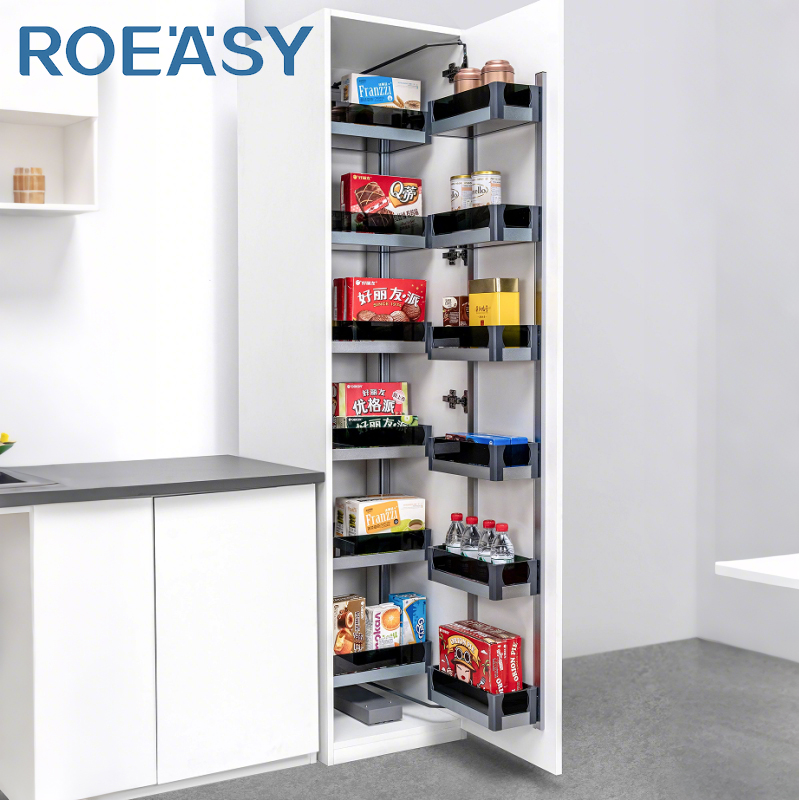
Pantry Architecture
Explore our premium range of precision-stamped hinges, structural drawer systems, and high-security architectural hardware engineered for residential, commercial, and modular cabinetry applications.
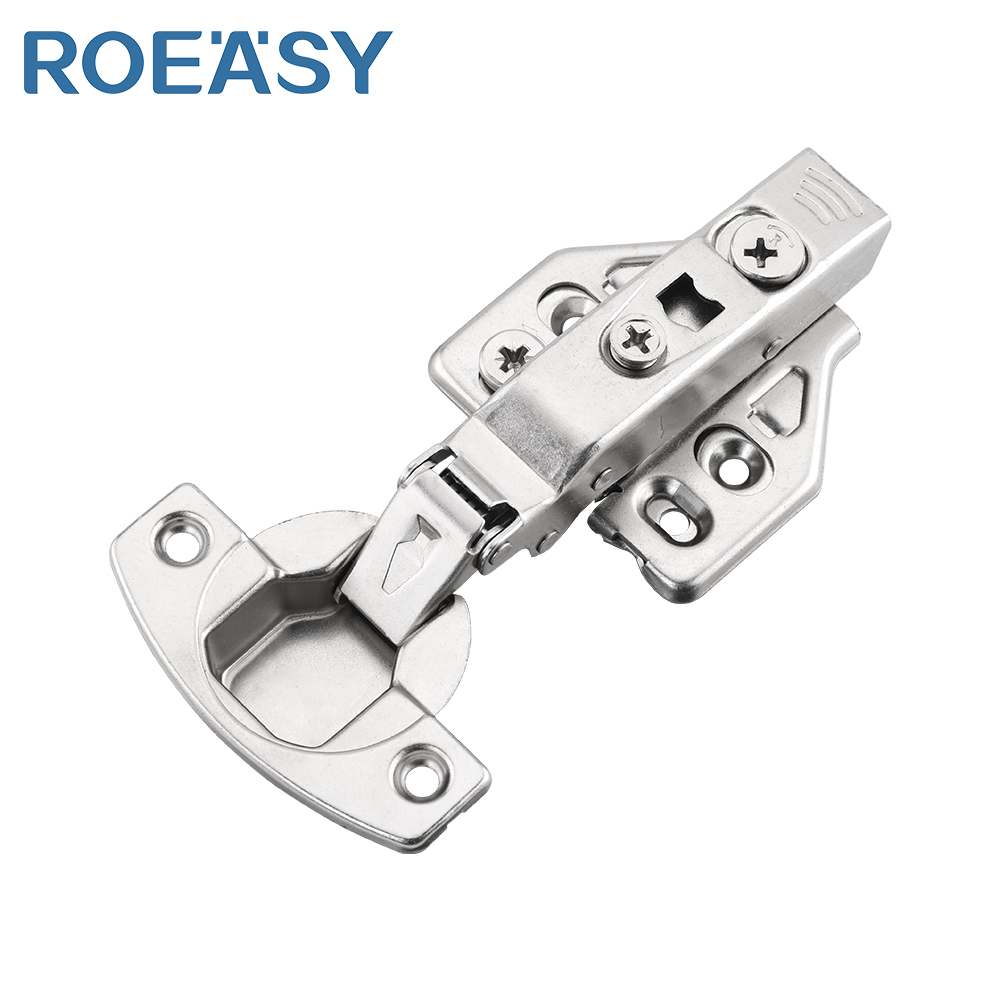
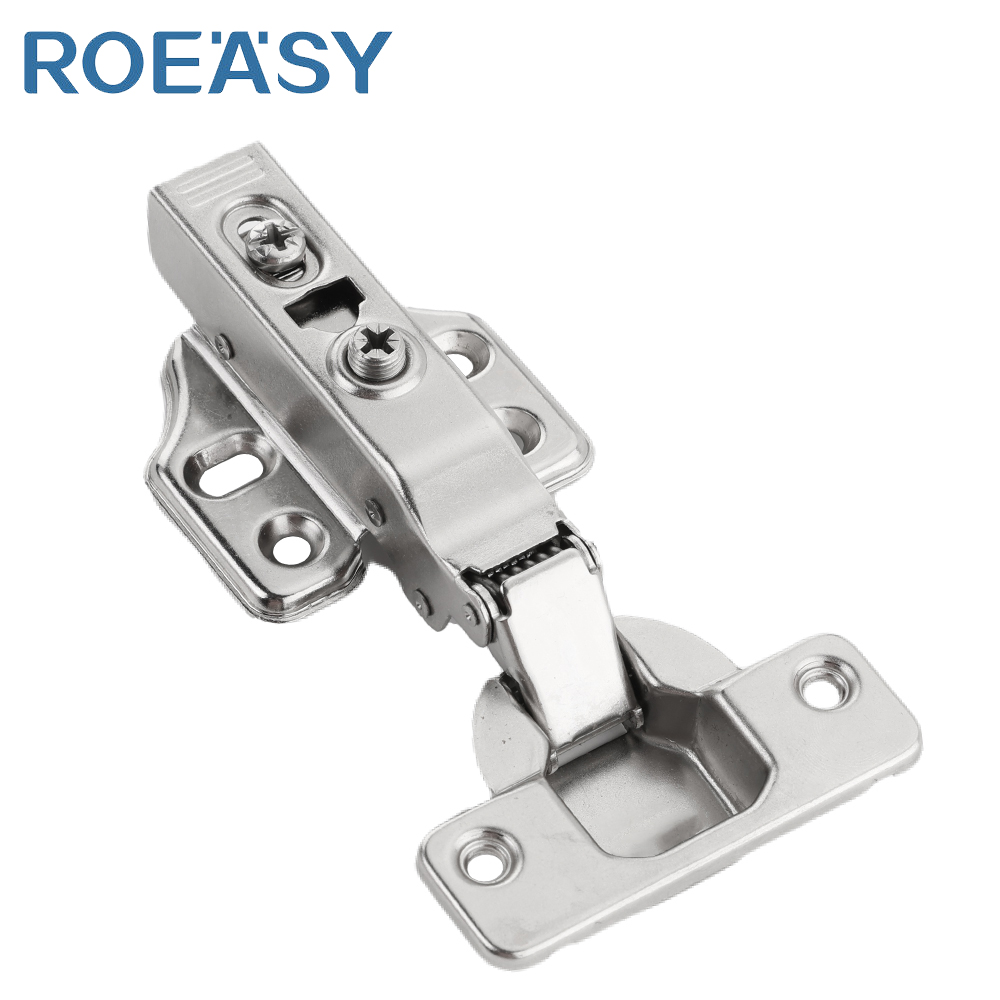
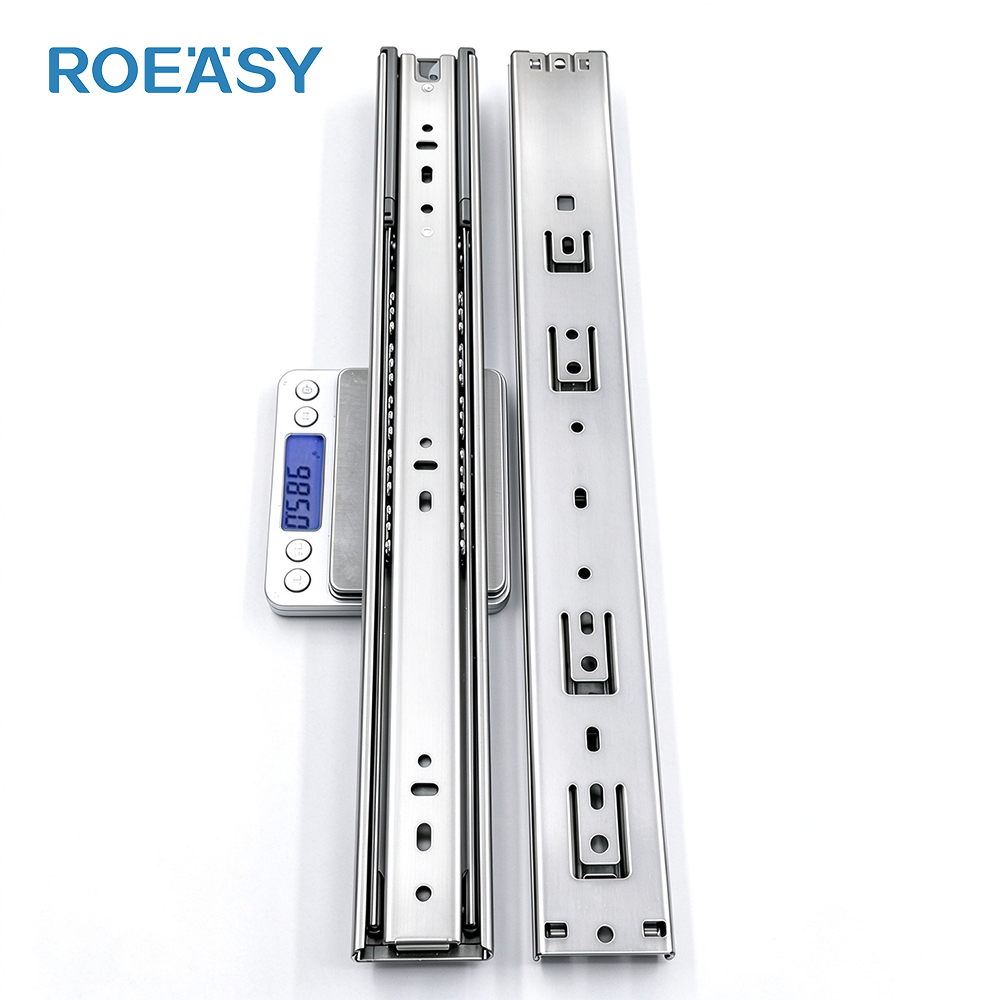
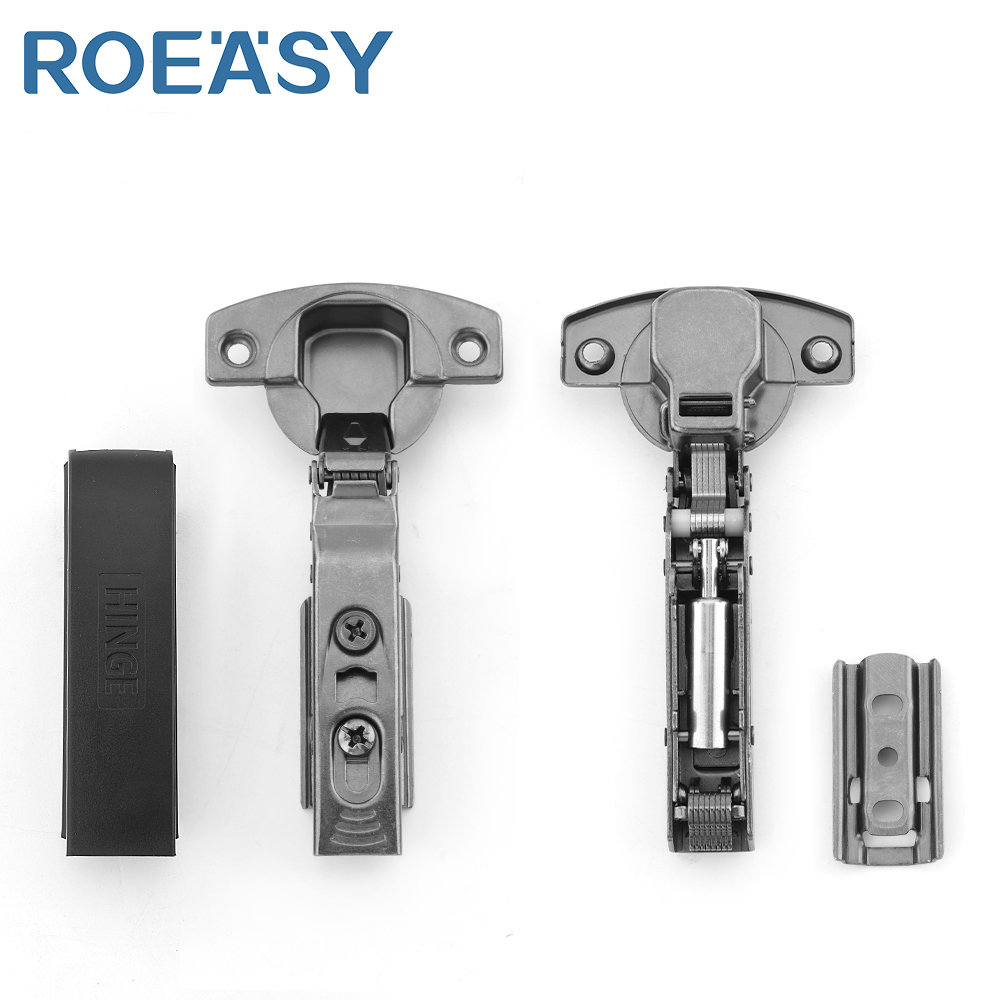
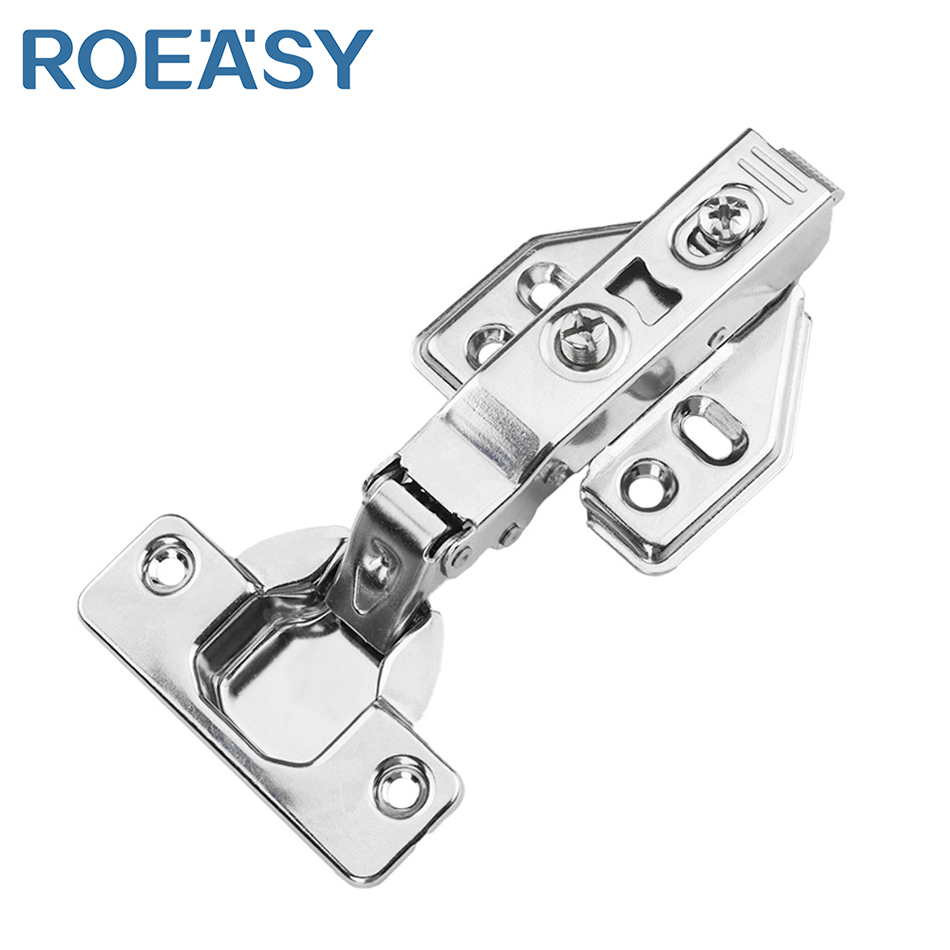
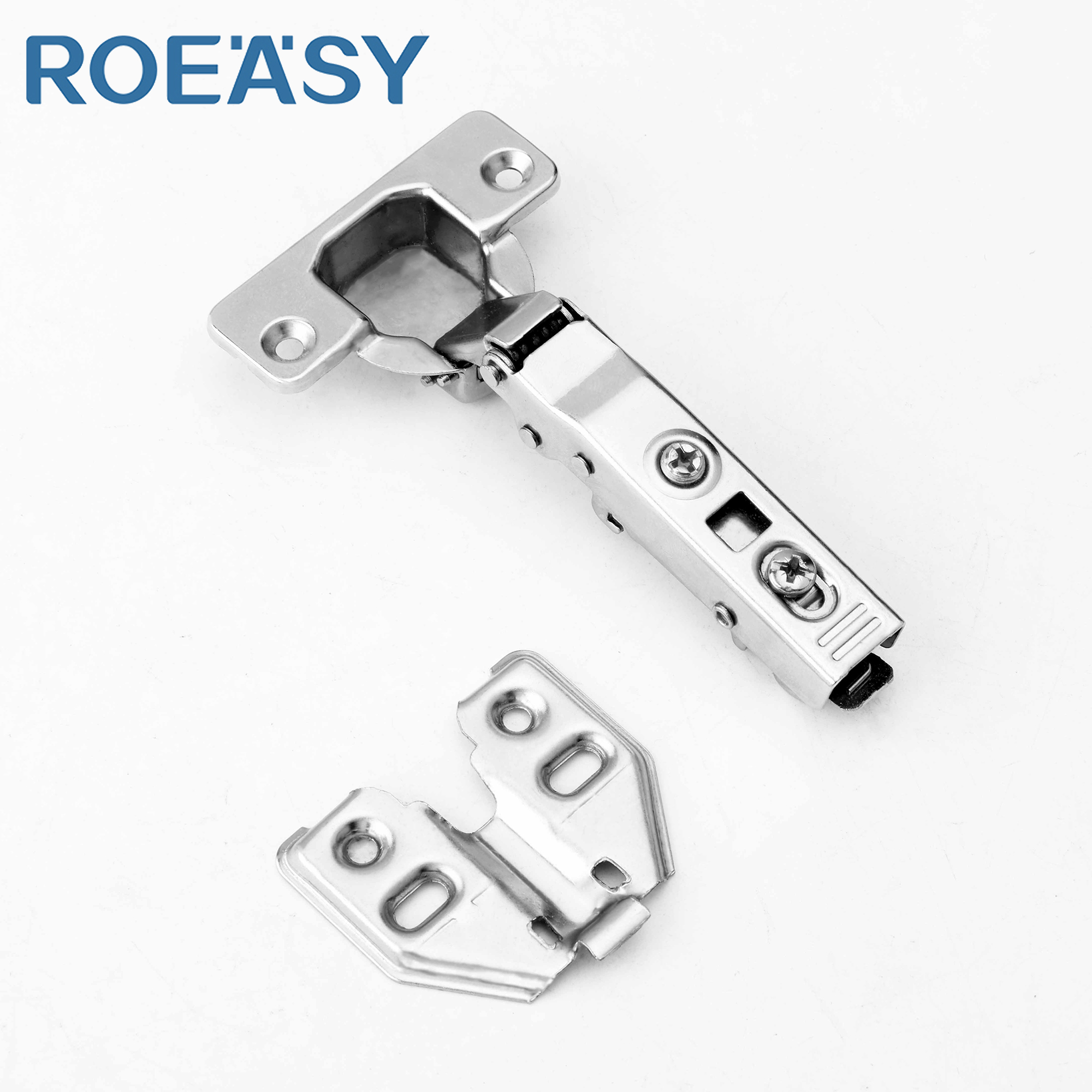
In modern industrial procurement, evaluating a tier-one door locks factory and hardware supplier requires venturing far beyond superficial surface plating and catalog pricing. For global architectural engineering, project contract managers, and major commercial brands, precision door locking mechanisms represent the primary physical defense line of property access and lifecycle user experience. The global architectural door lock industry is experiencing an inflection point driven by the consolidation of mechatronics, strict mechanical cycle durability protocols (such as ANSI/BHMA Grade 1, CE EN 12209, and UL 10C 3-hour fire ratings), and sustainable metallurgical metallurgy.
Whether specifying heavy-duty mortise locks, split-lever tubular latchsets, smart biometric locks, or industrial cam assemblies, procurement leads must conduct deep vendor audits. Top-tier Chinese manufacturers centered in Guangdong's industrial hardware corridors—such as Guangzhou Britton Hardware Product Co., Ltd.—have systematically shifted from traditional, low-margin assembly shops into vertically integrated high-tech engineering powerhouses. By pairing proprietary robotic cold-punch stamping and automatic die-casting lines with in-house laboratory metallographic inspection and life-cycle validation, premier suppliers now control tolerance dimensions down to ±0.02mm, effectively eliminating latch binding, cylinder key-jamming, and torsional fatiguing.
| Manufacturer Classification Tier | Primary Engineering Focus | Metallurgical Standard | Quality Verification Layer | Key Target Market Segments |
|---|---|---|---|---|
| Tier 1: Vertically Integrated Factories (e.g., Britton) | In-house tooling, CNC mortise milling, robotic damper riveting, mechatronics assembly | Q235 cold-rolled steel, Zamak 5 zinc alloy, SUS304/SUS316 austenitic stainless steel | SGS Onsite-Verified premises, dedicated 9-point QC stations, salt-spray & cycle load labs | Fortune 500 OEM partners, Tier-1 hospitality projects, high-volume distributors |
| Tier 2: Specialized Component Fabricators | Specific component output (cylinders, deadbolts, handles, push latches) | Standard commercial brass, aluminum extrusions, commercial-grade die-cast zinc | Outsourced third-party batch testing, visual factory line inspection | Domestic hardware brands, regional trade aggregators, sub-assembly contractors |
| Tier 3: Export Trading Houses | Consolidated sourcing across multiple independent workshops | Variable depending on subcontracted factory floor | Pre-shipment sampling inspection, container packing reviews | Low-tier spot markets, price-sensitive retail resellers |
Enterprise procurement directors face mounting geopolitical, environmental, and logistical challenges. Sourcing door locks and matching joinery hardware cannot be treated as isolated spot purchasing; it has evolved into a strategic supply chain discipline. Across North America, Europe, and the Middle East, structural procurement behavior is characterized by four decisive shifts:
Buyers are moving away from fragmented sourcing models. Rather than managing separate vendors for entry door mortises, interior magnetic latches, soft-close cabinet hinges, and slim box drawer slides, procurement teams prioritize integrated manufacturers capable of delivering unified architectural finishes (Matte Black, Brushed Brass, Gunmetal Grey) and cross-category consolidated container shipments under single Bill-of-Lading terms.
Stringent building codes require third-party audited test reports. Commercial contractors require proven compliance: ASTM F883 for padlocks, BHMA A156.13 for operational mortises, and ISO 9227 salt spray tests exceeding 96 hours for coastal projects. Suppliers without verified internal laboratory rigs are rapidly being culled from primary global tender approved vendor lists (AVL).
Modern residential and hotel specifications increasingly mandate hybrid locking platforms—solid mechanical lock cases equipped with low-energy semiconductor fingerprint sensors, IC cards, and mechanical emergency override cylinders. Procurement prioritizes factories possessing structural mold tooling capabilities alongside mechatronic clean-room assembly lines.
The technical trajectory of door hardware has accelerated dramatically over the last decade. Historically, mechanical locks relied on standard brass pin-tumbler cylinders prone to physical bumping, picking, and chemical shear wear. Today, leading hardware engineers incorporate multi-tiered technological innovations:
1. Magnetic Acoustic Damping Latches: In modern luxury residential and high-end hospitality sectors, conventional mechanical spring-loaded latch bolts are increasingly being replaced by neodymium magnetic silent mortise systems. When the door is ajar, the latch remains entirely retracted inside the lock case, preventing accidental frame strikes and snagged clothing. Upon reaching zero degrees of door closure, strong magnetic attraction draws the latch smoothly into the strike plate with near-zero acoustic resonance (under 30 decibels), delivering unmatched acoustic comfort.
2. Structural Metallurgical Innovations: Elite factories have migrated lock body production from porous zinc die-casting to stamped cold-rolled structural steel (Q235) coupled with solid stainless steel (SUS304) investment casting for deadbolts. This design achieves extreme physical anti-saw resistance, exceeding 1,000kg of lateral force resistance. Multi-layer molecular electroplating (involving copper undercoating, nickel plating, and protective electrophoretic top-lacquer coatings) guarantees long-term galvanic corrosion resistance even under tropical and coastal high-humidity settings.
3. Mechatronic Embedded Cryptography: Modern furniture and interior door locking hardware blends seamlessly into minimalist aesthetics. Ultra-thin, embedded fingerprint drawer locks and motorized deadbolts utilize 360-degree capacitive biometric algorithms capable of sub-0.3-second recognition while maintaining false acceptance rates (FAR) lower than 0.001%. Backed by integrated low-power microcontrollers and lithium-ion or battery-backup architectures, mechatronic hardware protects luxury cabinetry, residential armoires, and executive offices without compromising architectural lines.
Guangzhou Britton Hardware Product Co., Ltd. (operating modern manufacturing bases across Shantou and Zhaoqing) stands at the pinnacle of custom OEM/ODM architectural and furniture hardware manufacturing. Established in 1992, Britton provides over three decades of verified metallurgical mastery and automated production capacity.
Our comprehensive 15,000+ square meter factory floor, stamping stations, automatic damper assembly lines, and 229 verified production personnel have been thoroughly inspected and authenticated onsite by the international SGS Group.
We house an elite engineering division dedicated to mechanical structural optimization, high-precision custom mold manufacturing, and new mechatronic lock development. We take projects from 3D CAD/SolidWorks design to functional samples within days.
Quality is never outsourced. Our laboratory features computerized hinge durability cycle testers, guide rail fatigue rigs, neutral salt-spray chambers, gas spring force (N) measurement systems, screw torque analyzers, and Rockwell hardness testing units.
With an annual export volume reaching US$7.12M+, over 60% of our production supports leading contractors across North America (20%), the Middle East (30%), and Southeast Asia (15%), reinforced by localized agent service hubs in Pakistan, Mongolia, Vietnam, and Lebanon.
Ranked #2 Best Seller in Furniture Hardware on Alibaba.com and serving as the exclusive strategic hardware partner for DuPont household lines, our operations are vetted to meet the governance standards of global corporate procurement networks.
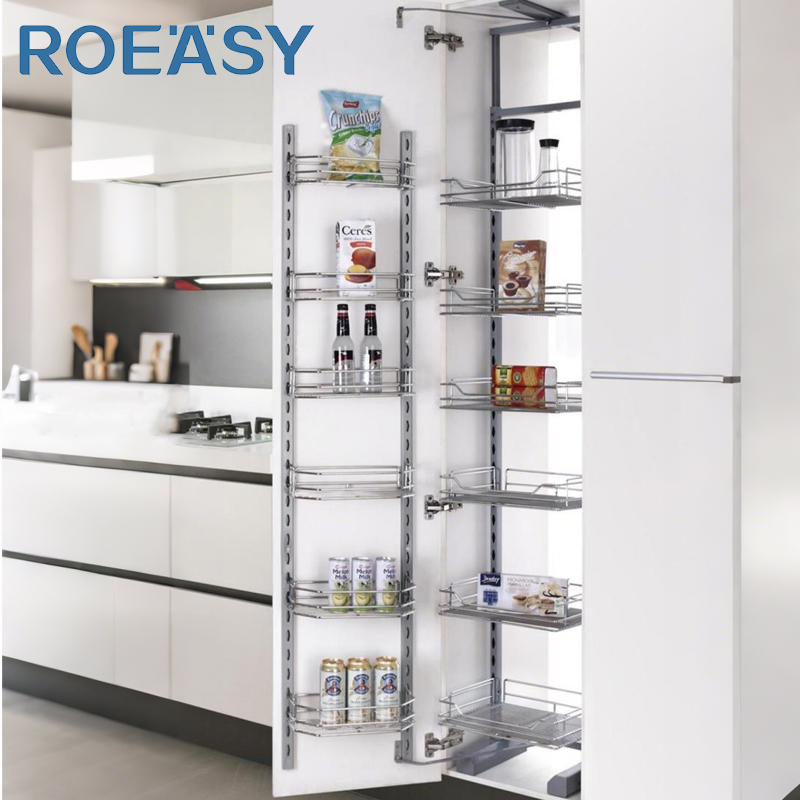
Optimize your shipping economics. Britton allows you to cross-consolidate mechanical locks, concealed hydraulic hinges, undermount slides, slim box drawers, and pantry storage organizers inside single 20GP/40HQ mixed containers with zero quality dispersion.
Q235 cold-rolled steel delivers excellent tensile strength and structural rigidity, making it ideal for structural lock chassis, hinge arms, and heavy-duty drawer runners. Zamak 5 zinc alloy is engineered for high-precision die-casting, enabling complex geometries for handles, cylinder housings, and aesthetic trim plates. Austenitic SUS304 stainless steel provides superior corrosion protection and tensile shear resistance, required for fire-rated architectural mortises, coastal exterior locks, and humid washroom environments.
All Britton hardware batches undergo standardized Neutral Salt Spray (NSS) testing according to ASTM B117 / ISO 9227 within our internal testing laboratory. Standard nickel-plated components are rated for 48 hours without white rust, while our architectural exterior hardware, black electrophoretic finishes, and SUS304 lines withstand 72 to 120+ hours of continuous salt-fog exposure without structural or finish compromise.
Standard hydraulic cabinet hinges and tubular lock sets typically maintain an initial MOQ between 500 and 3,000 pieces depending on tooling requirements; ball bearing drawer slides are quoted per inch (standard 1,200 to 7,500 inches); and engineered slim box or tall pantry organizer systems range from 50 to 300 sets. Ready tooling prototypes ship within 7–10 days, while standard full container load (FCL) manufacturing requires 30–35 days from sample sign-off.
Yes. With over 33 years of professional OEM/ODM experience, we support full private-label manufacturing. This encompasses fiber laser engraving of brand logos, custom-molded strike plates, multi-tier construction master-keying (MK/GMK systems) for hotels and residential developments, and barcoded retail or industrial export packaging per buyer specifications.
Britton operates under an SGS-audited quality management system. Our production satisfies ANSI/BHMA operational thresholds and European EN 15570/EN 15338 functional testing requirements. For commercial settlements, we support FOB, CIF, CFR, and DDP terms, accepting secure payment structures including T/T, Irrevocable L/C at sight, and D/P for long-term contract partners.
Connect directly with our engineering and export trade directors in Guangzhou. Request certified laboratory test sheets, comprehensive product catalogs, or initiate an urgent project quotation today.