Engineering high-performance 3D adjustable concealed hinges, heavy-duty hydraulic dampers, and specialized kinematic cabinetry systems for tier-1 distributors, multinational furniture manufacturers, and architectural builders worldwide.
Established in 1992, Guangzhou Britton Hardware Product Co., Ltd. has evolved over more than three decades into a vertically integrated hardware manufacturing powerhouse. Recognized on global B2B trade platforms as a #2 ranked supplier in Furniture Hinges and Furniture Locks, the enterprise encompasses two comprehensive manufacturing plants located in Shantou (Chenghai) and Zhaoqing (Gaoyao). With verified building areas exceeding 20,000 square meters, our facility manages full end-to-end tooling, stamping, robotic die-casting, automated cold-assembly, and electroplating quality control in-house.
Our manufacturing line integrates over 40 high-precision automated punching presses, high-speed progressive transfer dies, automatic hinge arm riveting units, precision center rod assemblers, and computerized ultrasonic degreasing lines. We are an authorized production partner and exclusive household hardware collaborator for global leaders such as DuPont, while maintaining long-term primary OEM supply contracts with Fortune 500 home improvement retail brands, architectural contract suppliers, and institutional furniture creators across North America, Europe, and the Asia-Pacific region.
Engineering White Paper
Precision Kinematics: The Mechanics of 3D Cam Adjustability in B2B Sourcing
Understanding the kinematic advantages of 3-dimensional cam regulation versus conventional spiral screws in architectural cabinet production lines.
Kinematic Principles of Independent 6-Way Alignment
In high-volume custom cabinetry manufacturing, installation labor accounts for up to 35% of total project finishing overheads. Traditional two-way (2D) hinges demand manual bracket loosening, physical realignment of the timber door leaf, and re-torqueing of fasteners. This creates micro-slippage, screw-hole stripping, and uneven shadow lines along adjacent door gaps. In contrast, modern 3D adjustable concealed hinges integrate independent, self-locking eccentric cam drives directly inside the hinge arm and the five-hole base plate:
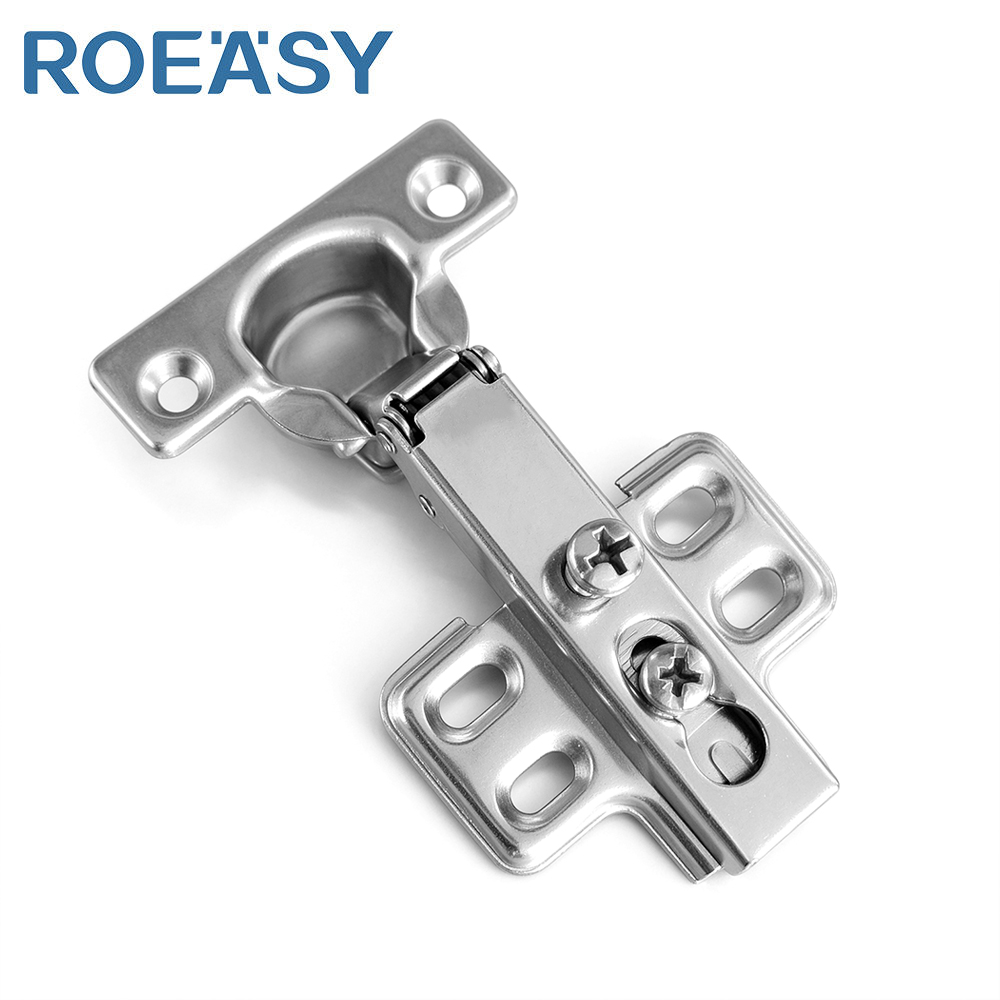
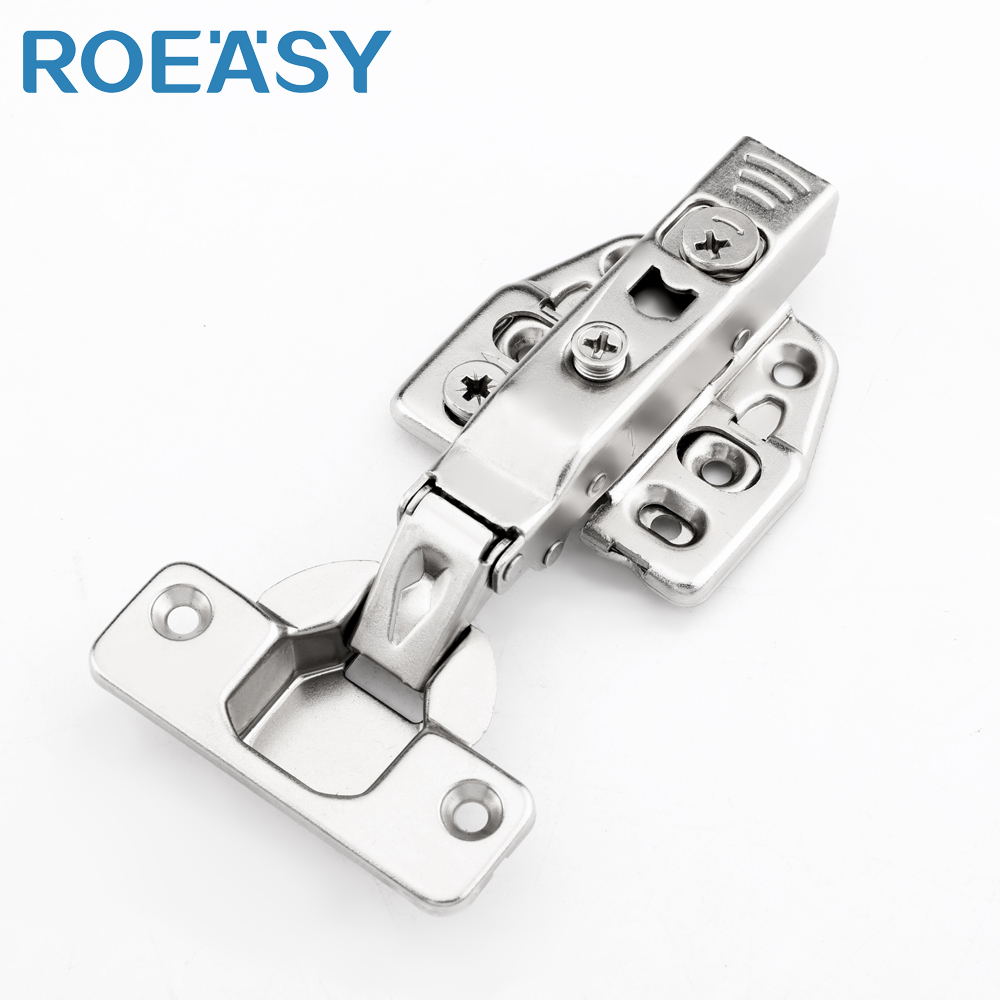
Lateral Adjustment (Side-to-Side ±2.5mm): Regulated via a hardened, carbonitrided worm gear seated inside the hinge arm body. Turning the cam shifts the door left or right across the horizontal plane without unlocking the fixing screws.
Vertical Adjustment (Height ±2.0mm): Driven through an integrated eccentric cam within the mounting plate base. It provides millimeter-precise elevation matching along parallel tall wardrobe panels without requiring frame unfastening.
Depth Adjustment (In-and-Out +3.0mm / -1.0mm): Compensates for slight cabinet carcass out-of-square deviations and gasket deflection, preventing air rebound in tight handleless kitchens.
By maintaining independent internal mechanical locks on every axis, our 3D adjustable hinge mechanisms eliminate the structural sagging and harmonic vibration looseness that frequently trigger commercial warranty disputes.
Engineering Parameter
Standard Economy Hinge
Britton 3D Hydraulic Commercial Hinge
Testing Protocol & Regulatory Benchmark
Raw Material Formulation
Commercial Grade Q195 Cold Rolled Steel
High-Tensile SPCC / Q235B Hardened Alloy
Spectrometric Chemical Composition Analysis
Hinge Cup Wall Thickness
0.7 mm – 0.8 mm
1.0 mm – 1.2 mm Heavy Reinforced Stamping
Precision Digital Vernier Micrometer Inspection
Hydraulic Cylinder Core
Plastic or Stamped Iron Piston
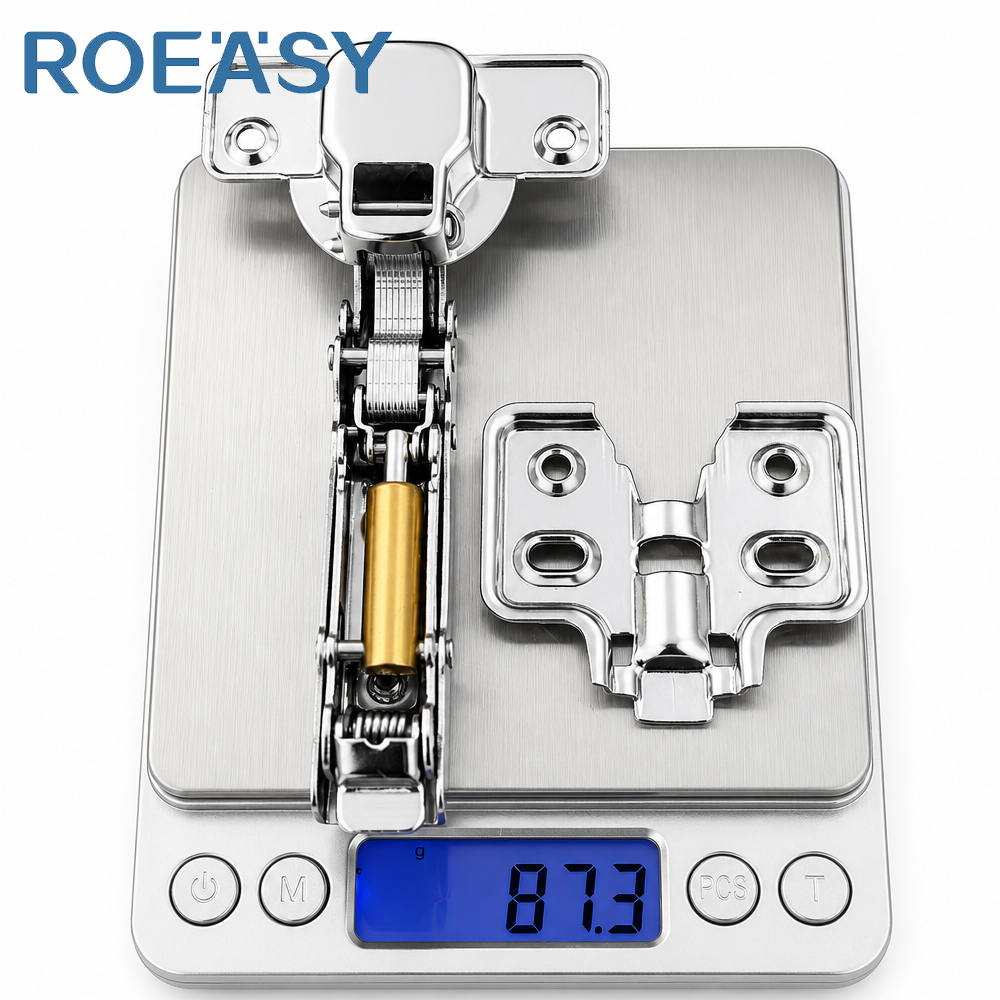
Solid Turned Pure Brass Seamless Cylinder
High-Pressure Nitrogen Seal Integrity Test
Multi-Directional Adjustability
2D Slotted Base Screws (Manual Slide)
True 3D Independent Eccentric Cam Driven
Micro-Adjustment Torque Retention (>4.5 N·m)
Salt Spray Corrosion Test
24 – 48 Hours Neutral (NSS) Grade 6
96 Hours Continuous NSS (ASTM B117 / ISO 9227)
SGS Certified Surface Blistering Verification
Dynamic Operational Life
25,000 – 40,000 Cycles
80,000 – 100,000 Certified Fatigue Cycles
DIN EN 15570 Level 3 / ANSI/BHMA A156.9 Grade 1
Market Foresight & Procurement Insights
Next-Generation Sourcing Trends in Furniture & Architectural Hardware
Strategic procurement indicators shaping procurement programs over the next 3 to 5 years across international markets.
Total Cost of Quality (TCQ) vs. Unit Price Sourcing
Tier-1 B2B buyers are moving away from raw piece-price comparisons toward total lifecycle cost models. Sub-standard hydraulic hinges carry a 4% to 7% field failure rate from hydraulic oil leakage and arm deformation, causing costly site servicing and tarnished furniture brand equity. Investing in certified 96-hour salt-spray plating and brass-cylinder dampening reduces after-sales replacement overheads to practically zero.
Dark Hardware Aesthetics & Multi-Layer Nano PVD
Architectural interior trends heavily favor dark walnut, charcoal veneer, and matte black cabinetry. Bright zinc or conventional electro-nickel finishes create visual discordance. Procurement demand has jumped over 300% for Titanium Black, Deep Gunmetal, and Antique Bronze PVD electro-coatings that retain anti-scratch surface hardness while satisfying strict European REACH chemical safety requirements.
Narrow-Profile & Handleless Kinetic Systems
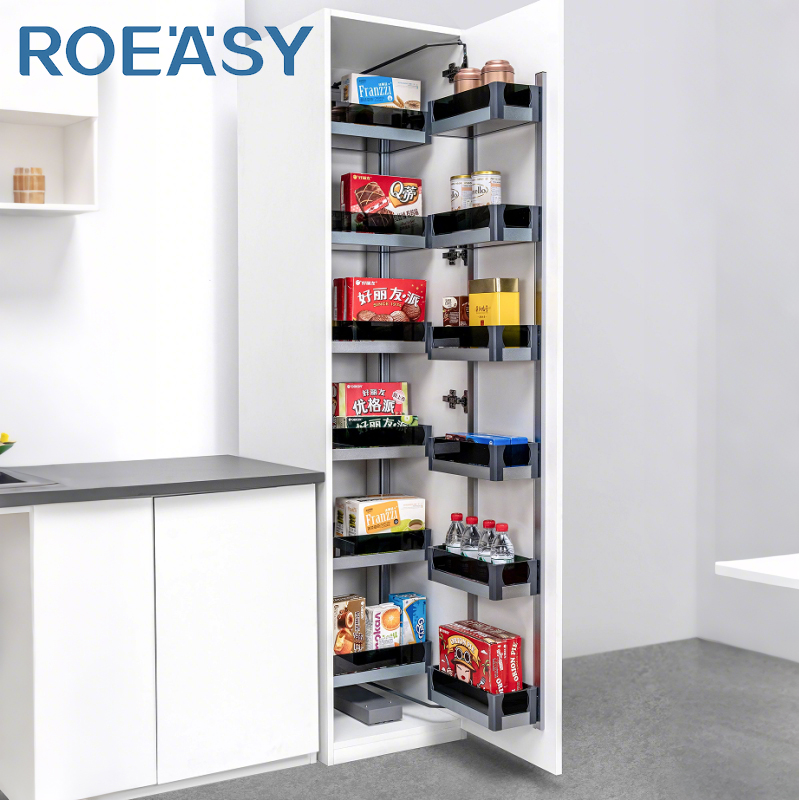
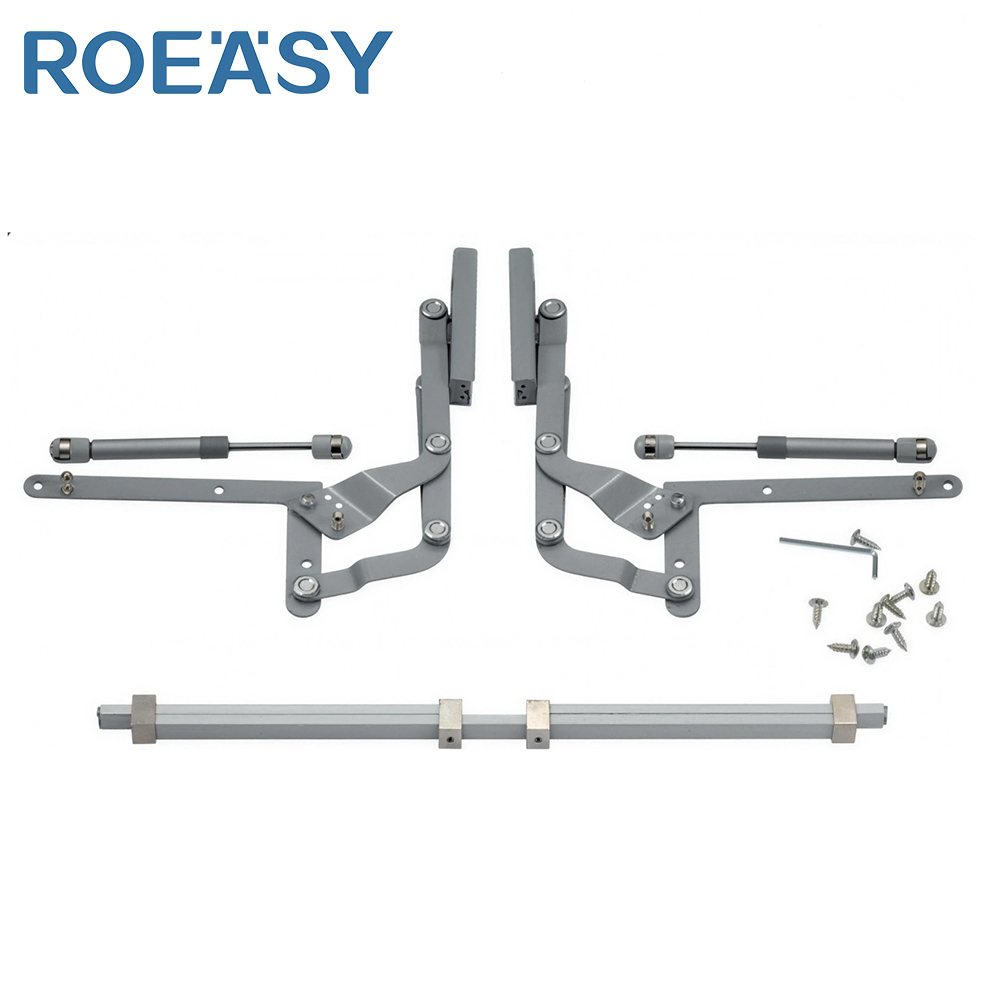
Modern minimalist interior design eliminates prominent handles, driving explosive growth in 45-degree bevel doors, slim aluminum profile glass frameworks, and push-open rebound hinges. Sourcing managers are increasingly specifying integrated mechanical solutions—such as 155-degree zero-protrusion hinges and dual-action gas support systems that clear inner pantry pull-outs effortlessly.
Eliminating field claims through systematic destructive, dynamic, and metallurgical verification on every batch before container dispatch.
Automated Dynamic Cycle Testing
Our in-house fatigue rigs cycle hinges under simulated loaded door conditions (up to 20kg door panel weight at 15 cycles per minute). We measure the damping speed curve at cycle 0, cycle 50,000, and cycle 80,000, ensuring the closing buffer time remains stable between 3 to 6 seconds without hydraulic stutter or sudden rebound slamming.
NSS Continuous Salt-Spray Testing
Exporting to tropical, coastal, and high-humidity markets requires exceptional plating adhesion. In accordance with ASTM B117 and ISO 9227 guidelines, finished hinges undergo continuous 5% neutral salt mist exposure for 48, 72, and 96 hours. Multi-layer copper-bottoming combined with high-density nickel or electrophoretic black deposits prevents red rust corrosion and micro-pitting.
Tensile Strength, Torque & Micro-Hardness
Every steel coil batch is verified for Rockwell hardness (HRB) to avoid stamping tears or deformation. Screw threads undergo dynamic torque testing up to 5.5 N·m to confirm cross-drive heads will not strip out during power drill assembly on production lines. Vertical thrust and tensile testing guarantee hinge arm rivets remain uncompromised under extreme leverage loads.
Procurement Intelligence
Frequently Asked Questions by Industrial Sourcing Teams
What is the standard MOQ and production lead time for OEM/ODM orders?
For catalog 35mm clip-on and 3D hydraulic hinges in standard nickel plating, our standard production minimum is 3,000 pieces per specification (bulk polybag or inner box). Custom surface finishes (e.g., Matte Black PVD, Titanium Gunmetal) require an MOQ of 10,000 pieces per run. Initial sample development and trial batches can be arranged from smaller quantities. Mass production lead time ranges from 25 to 35 calendar days following pilot sample sign-off.
How does your engineering team support custom ODM tooling and private branding?
Supported by our dedicated 24-engineer R&D team, we develop custom stamping progressive dies, plastic injection molds, and dedicated zinc casting cavities in-house. We provide 3D CAD/SolidWorks models, DFM (Design for Manufacturability) analysis, and rapid 3D metal prototyping within 7 to 10 working days. Private-label capabilities include customized arm cover logos (embossed or laser etched), custom cup stampings, and bespoke retail polybags or blister packs.
What testing documentation and compliance certifications can be provided?
All production lots comply with the mechanical safety and durability standards of European EN 15570 (Levels 1, 2, and 3) as well as American National Standards Institute ANSI/BHMA A156.9. Onsite audits have been verified and documented by SGS Group. We supply chemical mill test certificates, salt spray reports, cycle fatigue logs, and European RoHS/REACH compliance declarations with every export shipment.
Can we consolidate different hardware lines in a single mixed container?
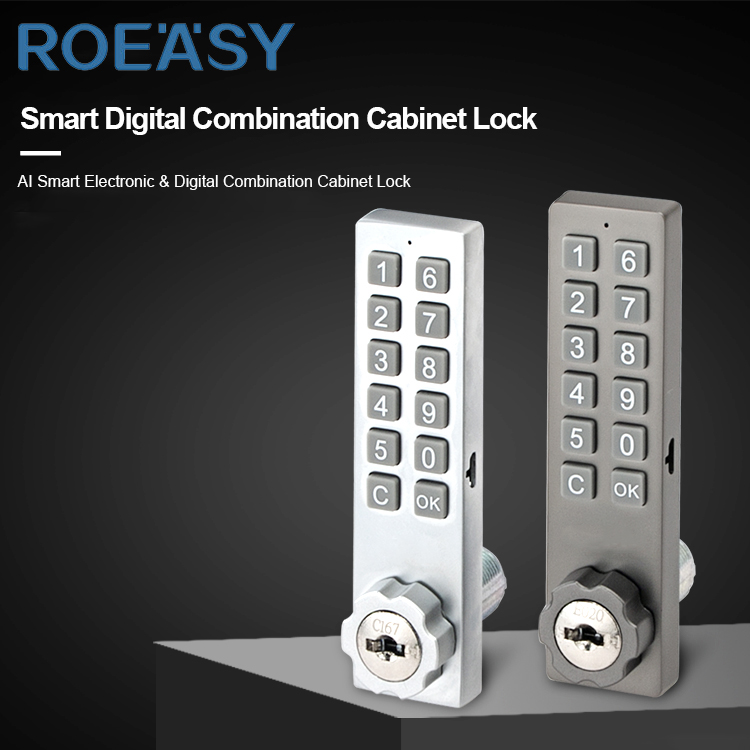
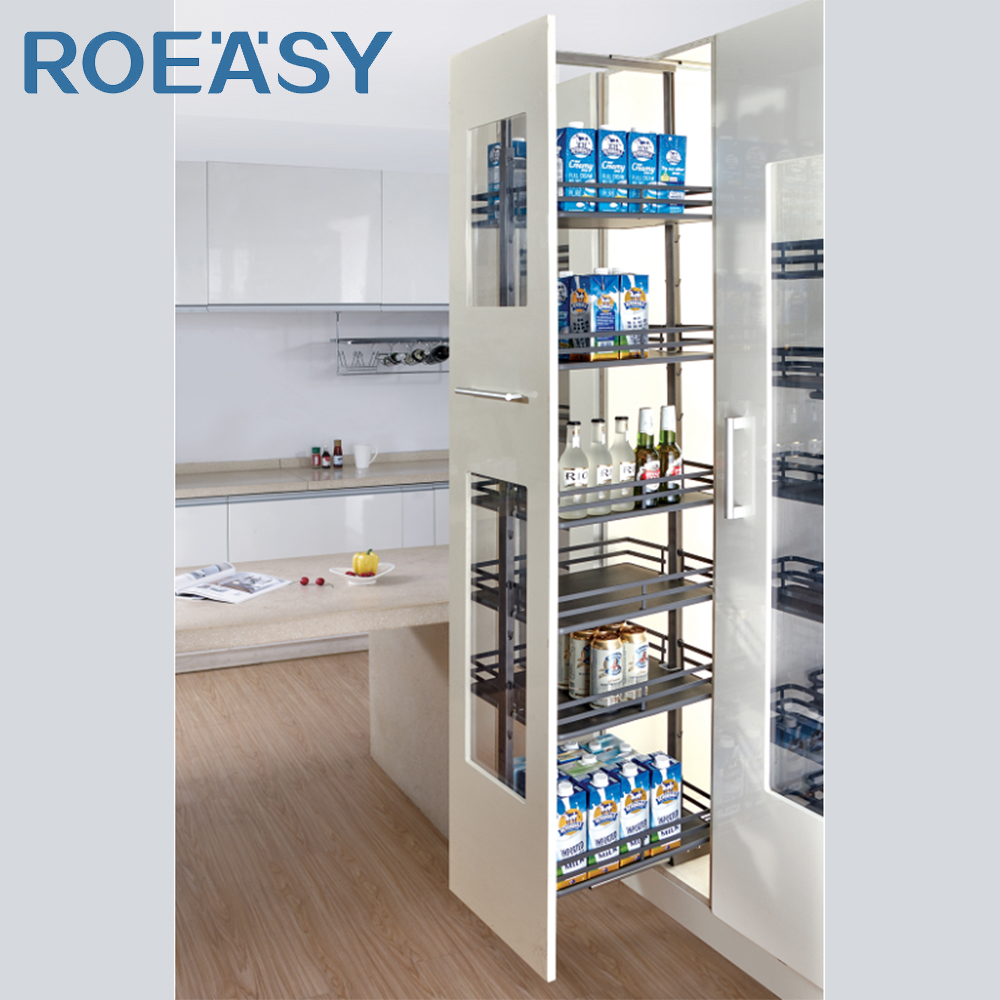
Yes. Britton operates an integrated multi-category program covering soft-close cabinet hinges, ball bearing telescopic drawer slides, slim metal box systems, furniture gas springs, electronic locks, and kitchen pull-out baskets. Overseas buyers can easily combine multiple product series inside a single 20GP or 40HQ container, lowering shipping freight costs, easing local stock holdings, and keeping everything under one consistent QC standard.
Ready to Optimize Your Hardware Supply Chain?
Connect directly with Britton’s senior engineering sales team. Request technical spec sheets, factory cycle test reports, or schedule a physical sample kit tailored to your door thickness, weight profiles, and overlay requirements.