Featured Overlay Hinges & Architectural Cabinet Systems
Precision-engineered hardware tested to 80,000+ open-close cycles, featuring dual-plating corrosion resistance and seamless 3D micro-calibration.
White Paper: Engineering Mechanics, Metallurgy & Global Sourcing of Overlay Hinges
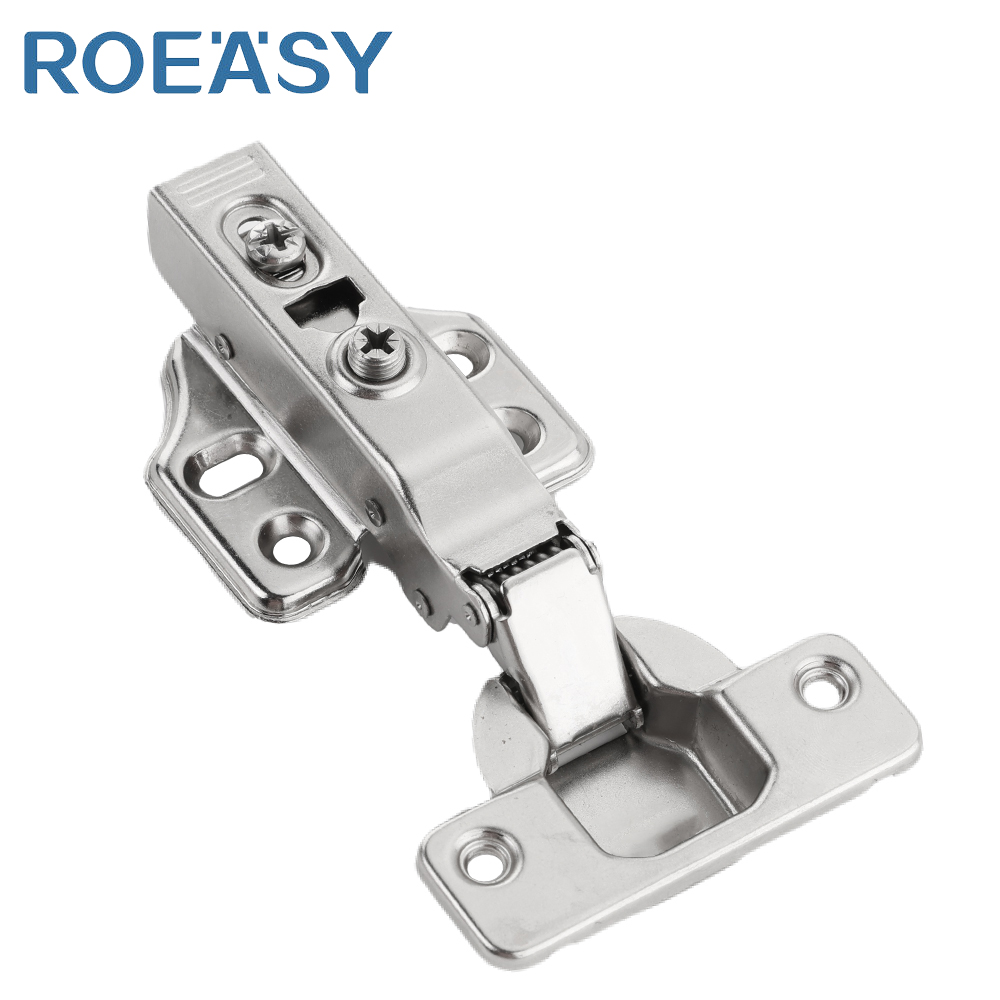
In modern architectural joinery and residential cabinetry manufacturing, the concealed overlay hinge serves as the operational heart of functional furniture. As worldwide demand accelerates for minimalist aesthetics, handleless cabinetry, and acoustic damping, procurement directors and hardware engineers must navigate strict mechanical criteria. Navigating the selection of wholesale overlay hinges from Chinese original equipment manufacturers (OEMs) requires a technical grasp of crank geometry, kinematic clearances, dynamic load calculations, and metallurgy.
1. Kinematic Taxonomy & Overlay Geometry
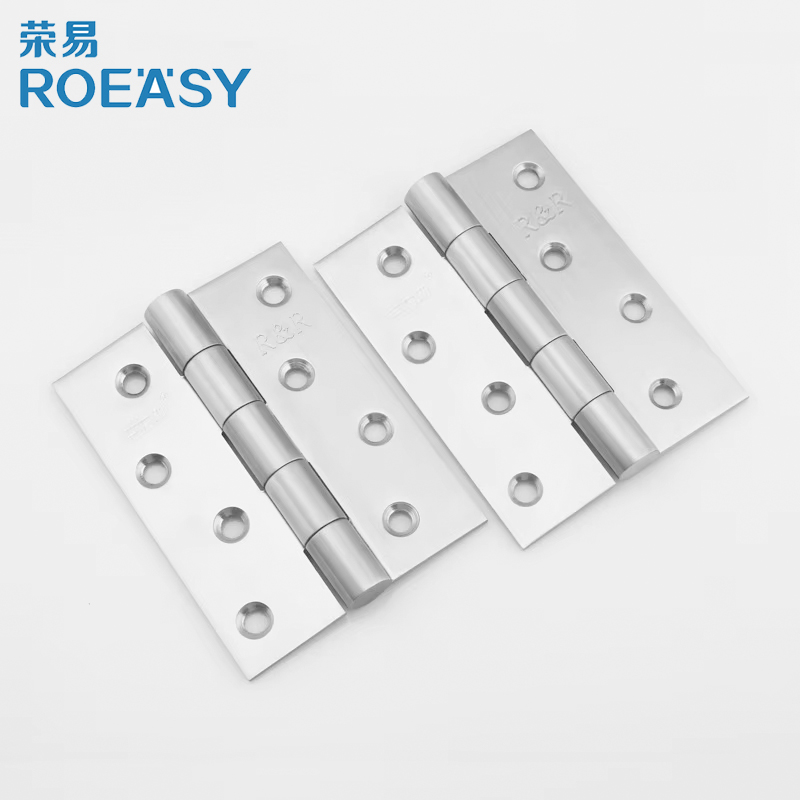
Overlay hinges are engineered to dictate the spatial relationship between the cabinet door and the carcass side gable (carcase panel). The fundamental parameter defining this interaction is the crank height of the hinge arm, which determines how much of the cabinet frontal edge is concealed when the door is shut.
- Full Overlay (Straight Arm / 0mm Crank): Engineered for perimeter carcass edges or single-door runs where the door panel completely conceals the cabinet side wall, leaving a standard edge margin of typically 1.5mm to 3mm for clearance. In wholesale production, standard straight arm models are stamped from Q235 cold-rolled steel to guarantee high tensile resistance against door sag under cyclic stress.
- Half Overlay (Half Crank / 9mm Crank): Specifically deployed in modular cabinetry runs where two opposing doors share a single central vertical partition panel (carcase gable of 16mm or 18mm thickness). The 9mm engineered offset allows both doors to swing freely without edge-binding, maintaining an exact center reveal of 3mm to 4mm.
- Inset / Embedded (Full Crank / 17mm to 19mm Crank): Configured so that the door panel sits entirely flush within the cabinet carcass opening rather than covering the partition frame. Inset geometry requires micro-precision hinge manufacturing, as any deviation in hinge cup depth or plate elevation directly introduces uneven shadow lines or operational interference.
| Hinge Configuration | Crank Elevation | Standard Drilling Distance (K) | Standard Cup Depth | Recommended Side Gable Reveal | Typical B2B Applications |
|---|---|---|---|---|---|
| Full Overlay | 0 mm (Straight) | 3 mm – 7 mm | 11.5 mm – 12.0 mm | Full coverage (0 – 2 mm reveal) | High-end kitchens, perimeter wardrobes |
| Half Overlay | 9 mm (Medium Crank) | 3 mm – 7 mm | 11.5 mm – 12.0 mm | Half coverage (8 – 9.5 mm reveal) | Central partition panels, multi-bay casework |
| Inset / Internal | 17 mm – 19 mm (High Crank) | 3 mm – 7 mm | 11.8 mm – 12.5 mm | Flush inside carcass opening | Face-frame European casework, designer credenzas |
| Wide-Angle Overlay (155°/165°) | 0 mm Zero-Protrusion | 3 mm – 8 mm | 11.5 mm | Unobstructed drawer pull-out | Cabinets with inner pull-out wire baskets & pantries |
2. Metallurgical Specifications & Surface Chemistry
Premature degradation of cabinet hardware in coastal or humid regions (such as Southeast Asia, the Middle East, and Latin America) is frequently caused by inadequate substrate treatment or thin galvanic coatings. High-performing China wholesale overlay hinges manufactured by Britton Hardware utilize advanced multilayer electroplating technologies:
Our automated finishing lines implement a four-tier surface treatment matrix: first, an alkaline ultrasonic degreasing and pickling phase; second, a high-density copper strike layer (3–5 microns) providing thermal expansion accommodation and base adhesion; third, a brilliant nickel bath (10–15 microns) guaranteeing mechanical hardness; and fourth, an optional sealing nano-coat or black cathodic electrodeposition (CED) finish for architectural matte dark hardware trends.
In municipal and laboratory projects, our Zhaoqing facility stamps components from AISI 304 and 201 austenitic stainless steel. For commercial kitchen applications exposed to high chlorination or chemical cleaning vapors, our stainless series guarantees complete passivation, passing neutral salt spray (NSS) testing beyond 96 to 120 hours according to ISO 9227 and ASTM B117 international standards.
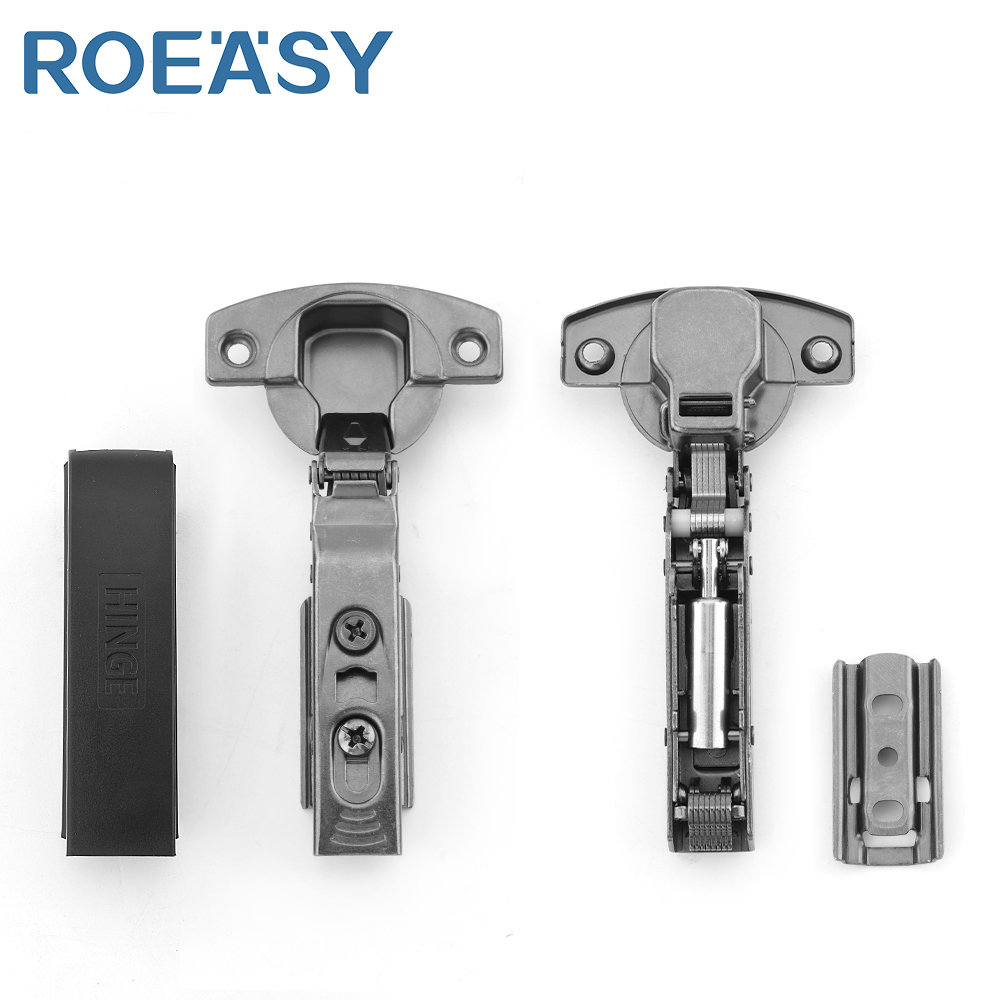
Integrated Hydraulic Damping
Sealed hydraulic cylinders filled with high-viscosity synthetic fluid ensure continuous soft-closing performance from a 45° angle down to 0°, operating smoothly across ambient temperatures from -10°C to +50°C.
Tool-Free 3D Cam Adjustment
Eccentric spiral cams integrated into the hinge arm and cruciform mounting plates provide instantaneous, millimetric adjustment: Height (±2mm), Depth (±2mm), and Side Overlay (±2.5mm).
EN 15570 Level 3 Compliance
Every stamping batch undergoes fatigue evaluation on our automated pneumatic test fixtures, sustaining 80,000 real-load test cycles with door weights up to 18kg per hinge pair without structural sag.
3. Future B2B Procurement Trends (2025–2030)
Global procurement dynamics for commercial hardware are shifting from transactional spot-purchasing toward structured, transparent supply chain partnerships. As institutional buyers evaluate Chinese manufacturing hubs, several clear trends define future procurement:
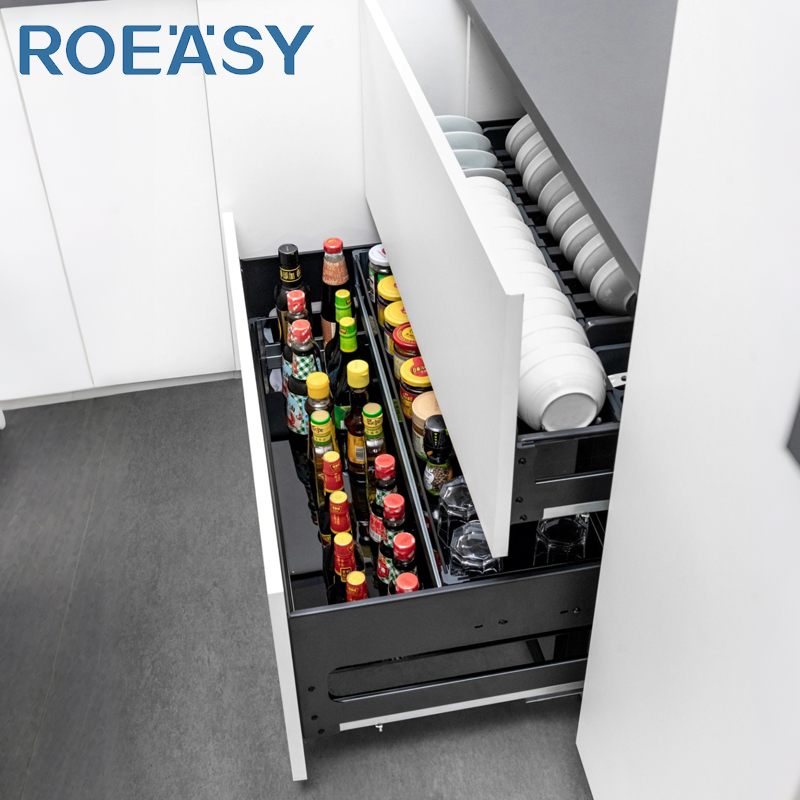
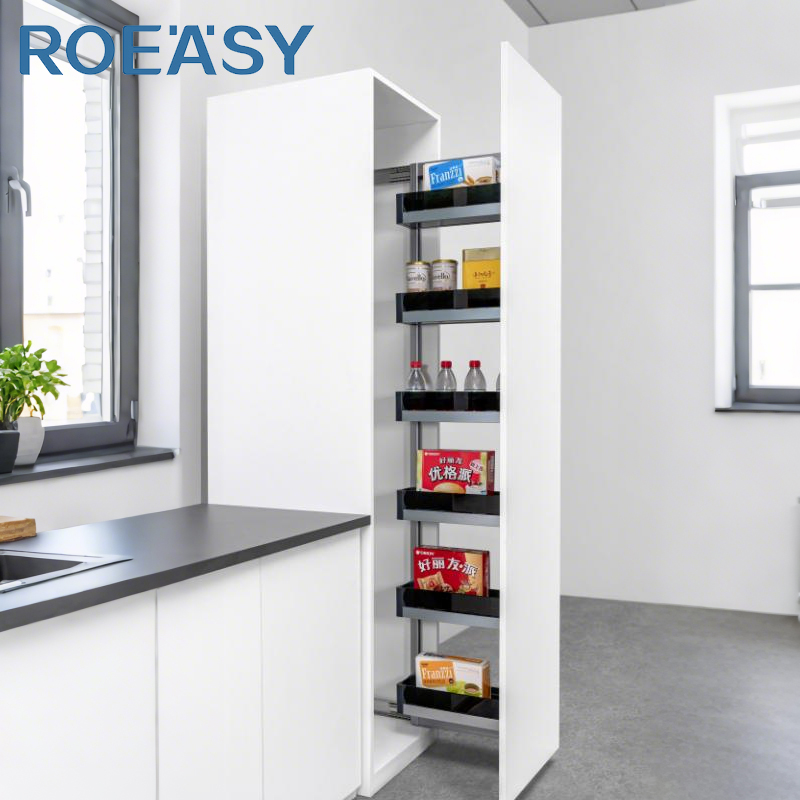
- Consolidation via Integrated Factory Portfolios: Discerning international importers no longer source hinges, undermount drawer runners, pull-out wire organizers, and furniture locks from disparate trading intermediaries. By consolidating procurement with comprehensive manufacturers possessing automated stamping and die-casting ecosystems (such as Britton Hardware’s combined Shantou and Zhaoqing manufacturing parks), buyers eliminate duplicated logistics, standardize plating finishes, and maximize container cubic utilization.
- Stricter Traceability & ESG Governance: Importers across Europe and North America now demand transparent metallurgy certificates (RoHS, REACH) and ISO 14001 compliance. Automated assembly lines minimize manual intervention and reduce defective parts per million (PPM), while closed-loop wastewater recovery during electroplating satisfies international environmental mandates.
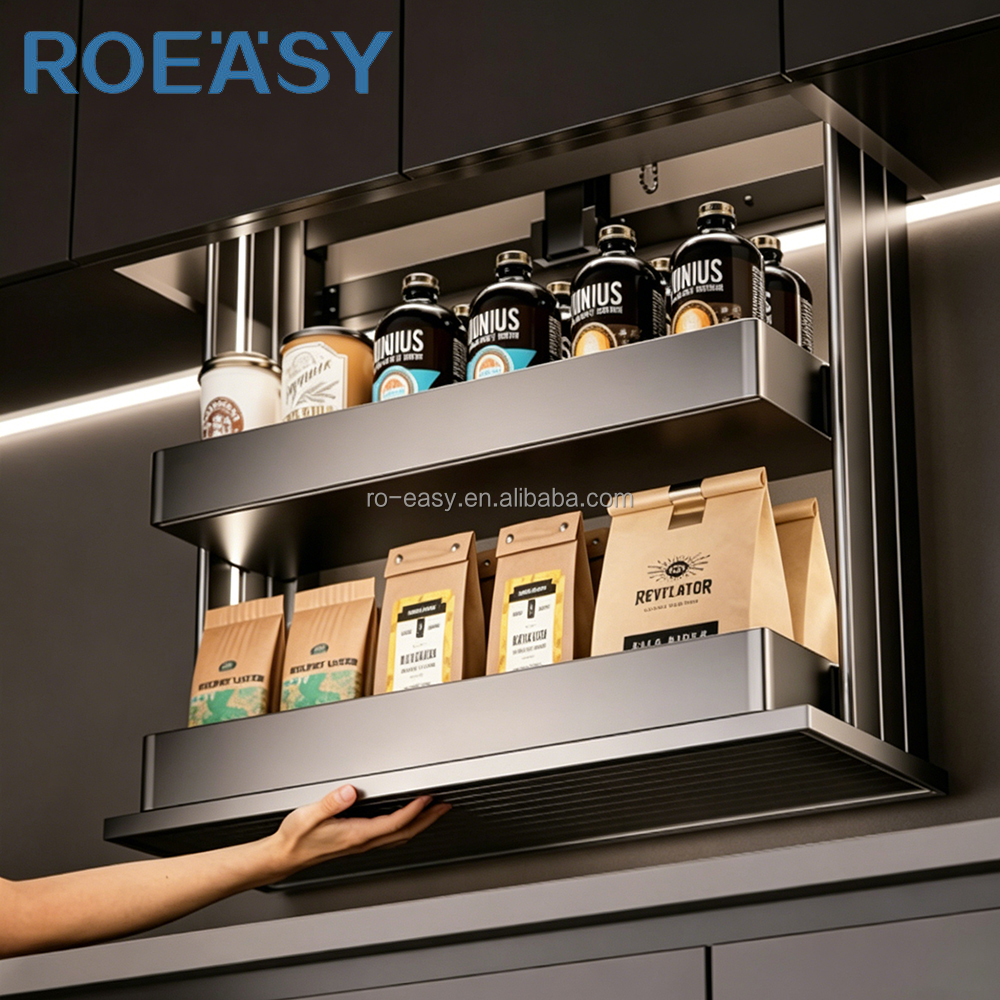
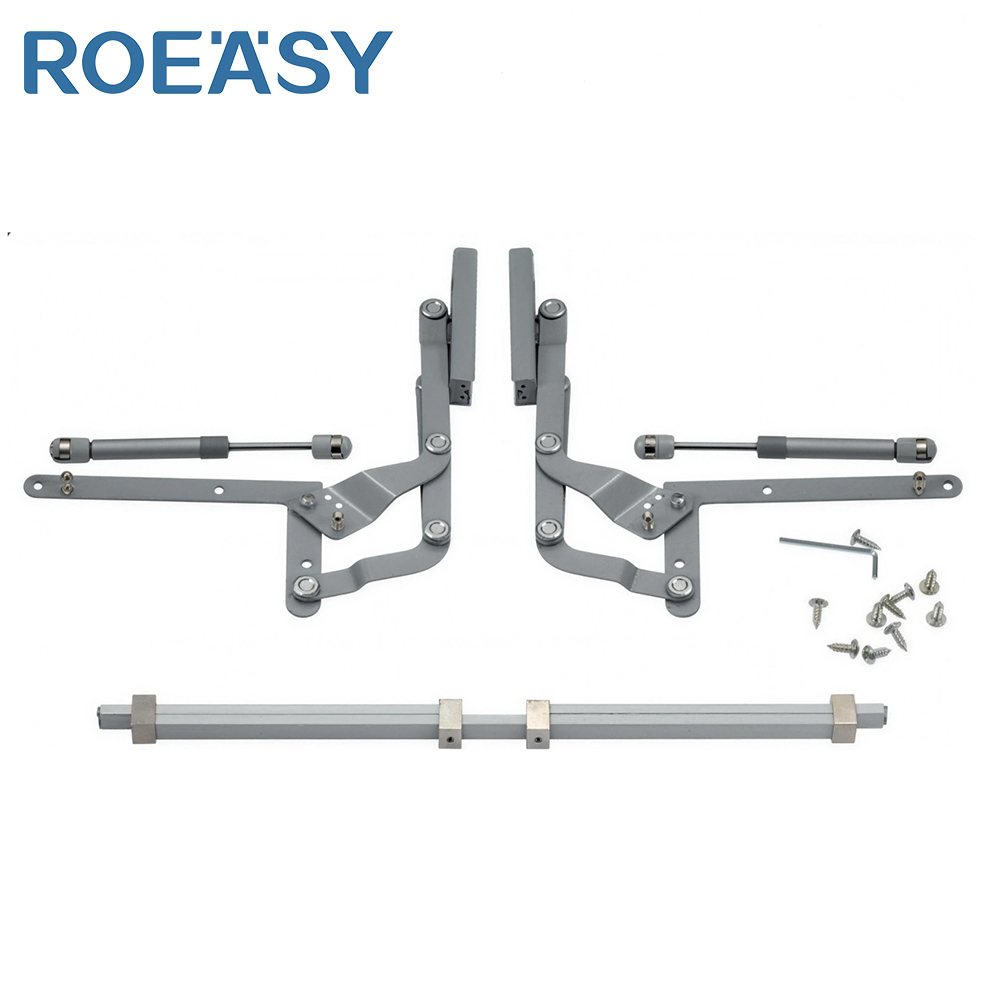
- Mixed-Container SKU Optimization: To mitigate inventory holding costs amid volatile freight rates, volume importers leverage flexible Minimum Order Quantities (MOQs) across correlated SKUs. Container manifests now frequently pair 35mm soft-close overlay hinges with high-margin items like electric vertical cabinet lifts and pull-out modular larders under a unified billing ledger.
4. Emerging Technical & Design Trends in Overlay Hinges
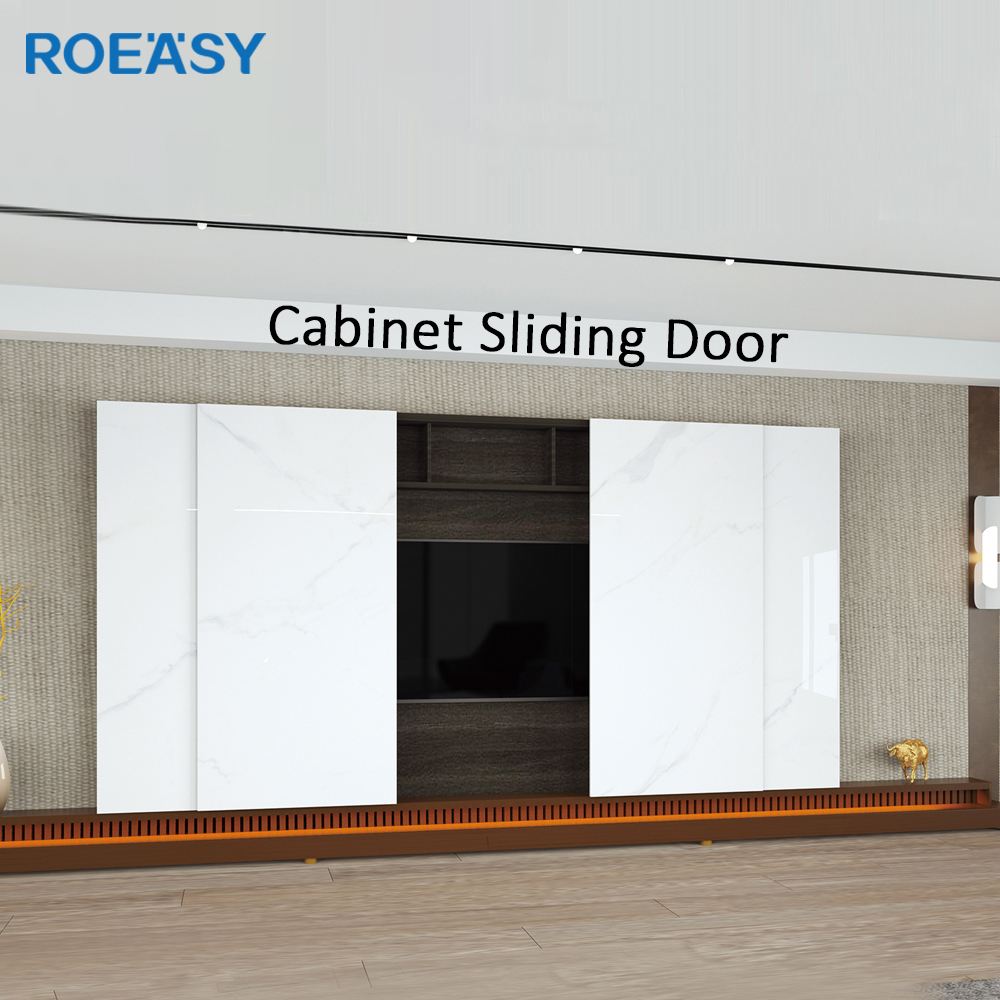
Architectural minimalism continues to dictate the evolution of furniture kinematics. Modern interior designs with floor-to-ceiling cabinetry, hidden pantries, and slim aluminum-profile glass doors have generated several specialized hardware demands:
- Wingless & Flush Architectural Hinge Arms: Conventional cruciform mounting plates are increasingly replaced by slim, linear wingless plates and concealed hinge arms. These mechanisms integrate within modern aluminum and slim-timber doors without visible protruding fasteners.
- Dual-Action Soft-Close & Push-to-Open Integration: Modern handleless kitchens require hinges capable of two-way operational physics: a synchronized mechanical spring rebound mechanism for touch-latch opening, combined with hydraulic damping when pushed shut to prevent panel recoil.
- Matte Black & Titanium Carbon Finishes: Driven by dark wood veneers and charcoal melamine interiors, dark electroplated finishes have evolved from niche luxury to mass volume. Achieving deep matte black aesthetics while maintaining strict salt-spray corrosion resistance requires multi-stage organic cathodic electro-deposition over duplex nickel baselayers.
5. Corporate Competence: Guangzhou Britton Hardware Product Co., Ltd.
Operating continuously since 1992, Guangzhou Britton Hardware Product Co., Ltd. (incorporating our internationally recognized ROEASY dynamic furniture system brand) represents the pinnacle of Chinese precision hardware engineering. Spanning over 33 years of specialized manufacturing, our infrastructure is certified by SGS Group and trusted by Fortune 500 procurement teams worldwide.
Our dual manufacturing infrastructure encompasses more than 15,000 square meters of verified floorspace across our Shantou and Zhaoqing bases. Our manufacturing operations run 24 high-speed multi-stage progressive stamping presses, automated hinge-cup assembly stations, high-pressure zinc die-casting equipment, and robotic center-rod riveting lines. Britton's engineering division maintains an in-house laboratory equipped with salt spray testing chambers, cyclic guide rail fatigue stations, gas spring force (N) data testers, and vernier 3D optical comparators, verifying quality consistency before packaging.
Supported by 24 experienced R&D engineers and 9 dedicated QA/QC testing officers, Britton maintains full OEM/ODM customization capabilities: custom tooling design, progressive mold fabrication, private-label silk-screening, bespoke blister packaging, and distribution rights support. We serve distribution partners across the Middle East, North America, Southeast Asia, and Europe, maintaining an established customer satisfaction rating of 4.6/5.0 across international trading channels.
Frequently Asked Questions by Global Buyers
Clear, direct technical answers regarding MOQ, certifications, custom tooling, and supply chain logistics.
Ready to Source Architectural-Grade Overlay Hinges?
Connect directly with our engineering sales desk for factory-direct wholesale pricing, container-load optimization plans, and custom OEM/ODM tooling consultations.