Engineered for high-frequency residential, commercial hospitality, and humid architectural installations. Tested through 80,000+ kinematic cycles under strict DIN EN 15570 Level 3 performance guidelines.
Operating as Guangzhou Britton Hardware Product Co., Ltd., our manufacturing network bridges advanced mechanical metallurgy, fully automated assembly, and strict OEM/ODM governance for global tier-one supply chains.
Unlike purely trading intermediaries, Britton Hardware is an integrated industry-and-trade enterprise verified on-site by SGS Group. Our manufacturing facilities utilize high-speed progressive die stamping machines, robotic riveting cells, automated hydraulic piston insertion lines, and computerized packaging stations.
We are the verified supplier for Fortune 500 procurement teams and the strategic manufacturing partner for DuPont household and architectural hardware lines. Our production philosophy ensures that the structural tolerances established during prototyping are replicated across millions of production units.
| Test Parameter | Testing Rig / Device | Standard Achieved |
|---|---|---|
| Kinematic Fatigue | Automated High Door Hinge Cycle Tester | > 80,000 Repeated Cycles |
| Corrosion Resistance | Controlled Neutral Salt Spray Chamber | NSS 48h to 96h (ISO 9227) |
| Material Hardness | Rockwell Digital Hardness Tester | HRB 75 - 85 Calibrated |
| Adjustment Torque | Bi-directional Digital Torque Wrench | 2.5 Nm Cam Stress Integrity |
| Shear Tensile Force | Universal Thrust & Tension Rig | > 2,200 N Pullout Threshold |
| Damper Rebound Rate | Pneumatic Kinetic Velocity Sensor | 3.5s - 5.5s Consistent Soft Close |
A comprehensive technical deep-dive into mechanical mechanics, material fatigue lifecycles, and dampening thermodynamics defining modern cabinet hardware engineering.
Wardrobe hinge engineering has transitioned rapidly from elementary 1-way spring-loaded pivot mechanisms to advanced multi-link hydraulic motion controllers. In modern large-format cabinetry, where door heights often exceed 2,400mm and weights reach 25–40 kg per leaf, hinge linkages bear massive cantilever torque and dynamic shear stresses. Selecting the correct metallurgical structure and kinematic hinge geometry is critical for avoiding door sagging, misaligned margins, and hydraulic damper failure.
| Hinge Configuration | Crank Profile | Overlay Allowance | Ideal Application | Stress Distribution Factor |
|---|---|---|---|---|
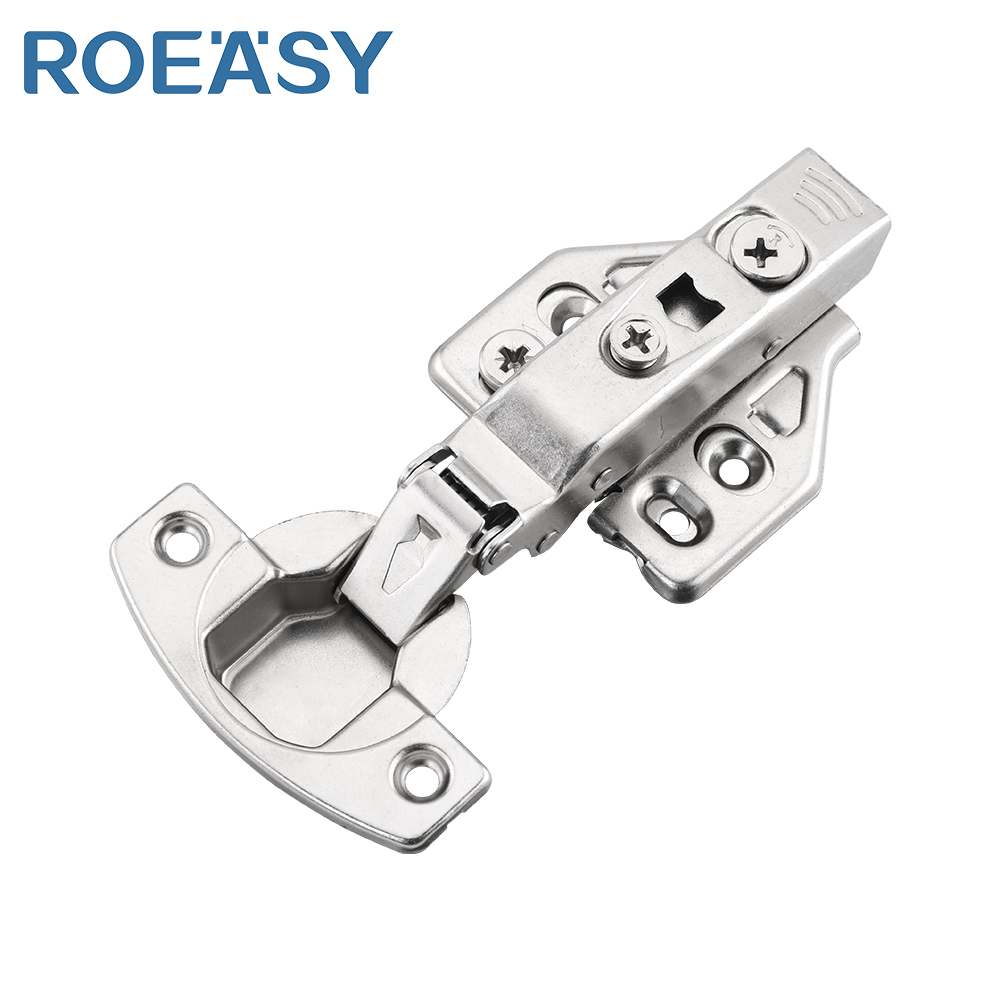
| Full Overlay (Straight Arm) | 0mm Crank | 14mm – 19mm Door Reveal | Standard perimeter wardrobe cabinet side walls | Evenly distributed along lateral mounting base |
| Half Overlay (Medium Crank) | 9mm Crank | 5mm – 9mm Shared Partition | Twin doors sharing a central 18mm vertical gable | High torsional moment on internal hinge knuckle |
| Inset / Embedded (High Crank) | 16mm Crank | 0mm (Flush inside frame) | Architectural flush facades, classic framed wardrobe doors | Elevated shear stress on cup-mounting screw points |
| 155° / 165° Wide Opening | Special Double-Pivot | Zero-Protrusion (Free clearance) | Cabinets containing internal pull-out drawers & wire baskets | Complex multi-rivet kinematic linkage wear |
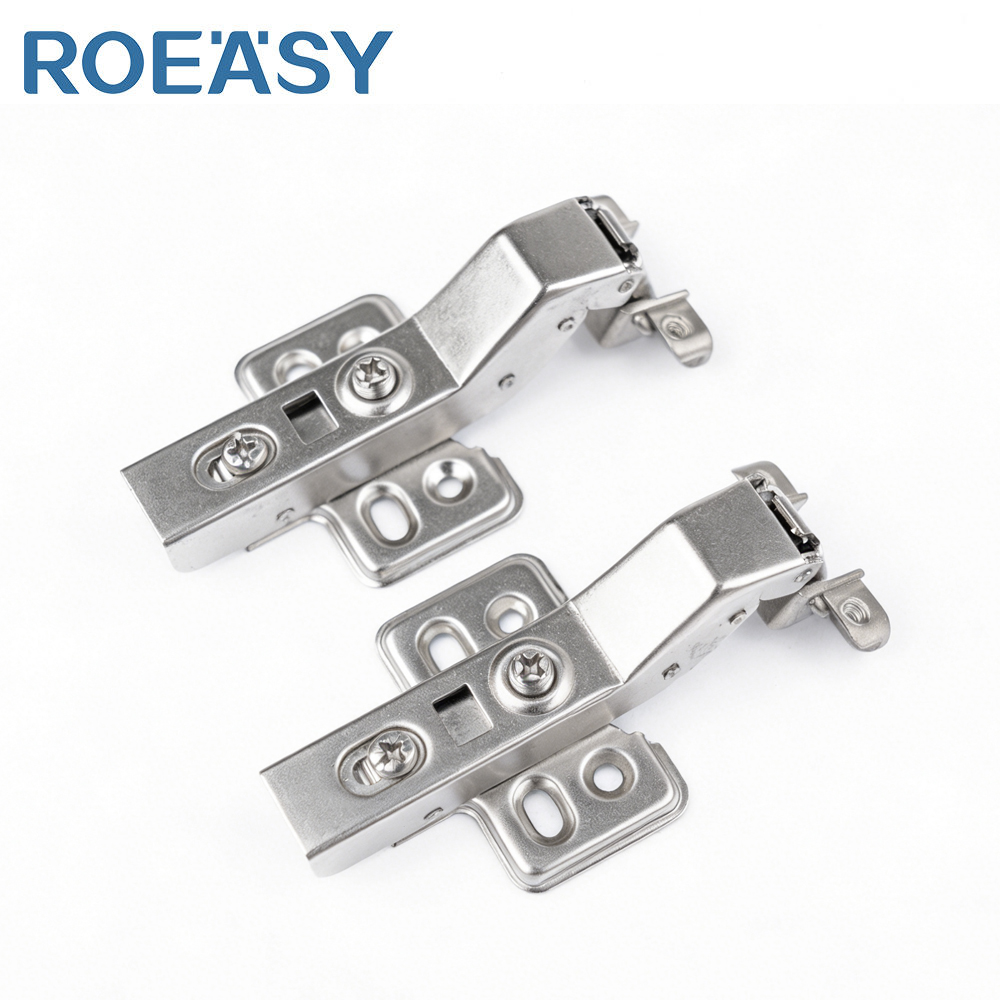
| -45° to +45° Special Corner | Formed Angled Arm | Chamfered / Diagonal Panels | Corner walk-in wardrobes and pentagonal modules | Asymmetrical radial load requiring reinforced baseplates |
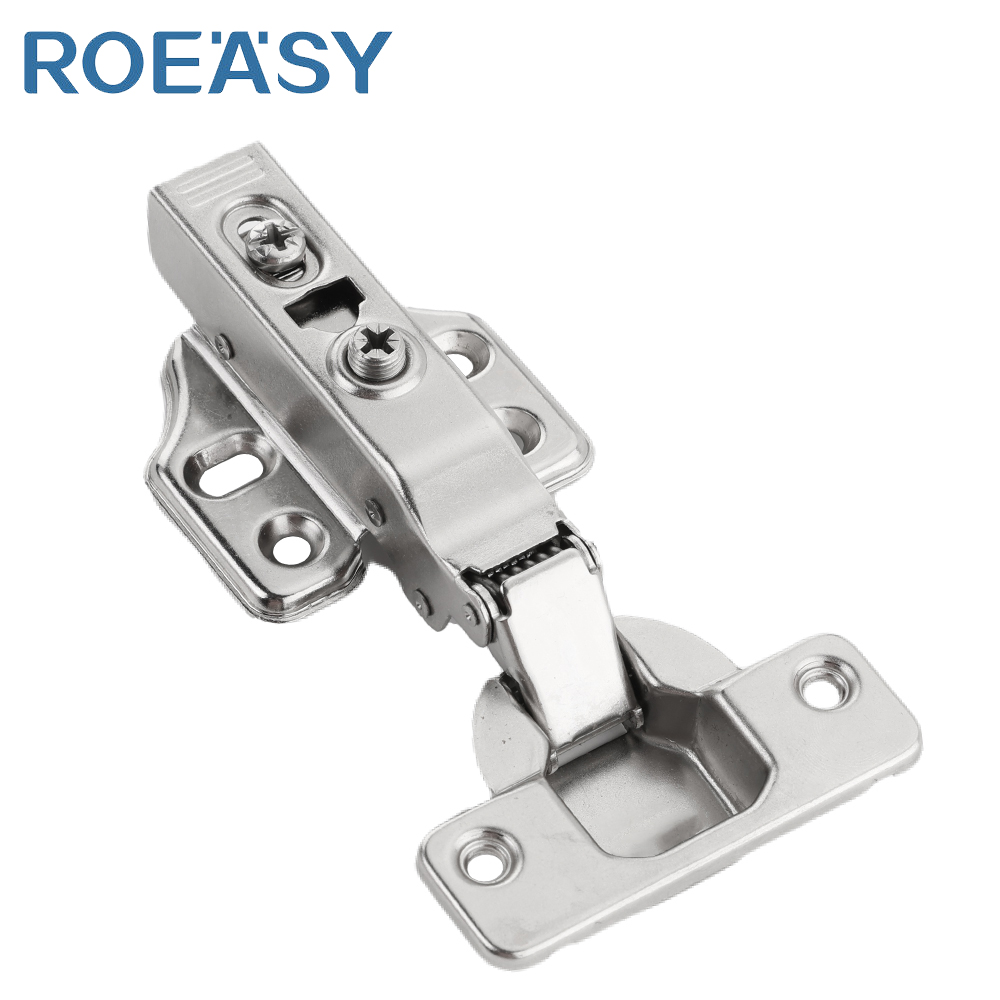
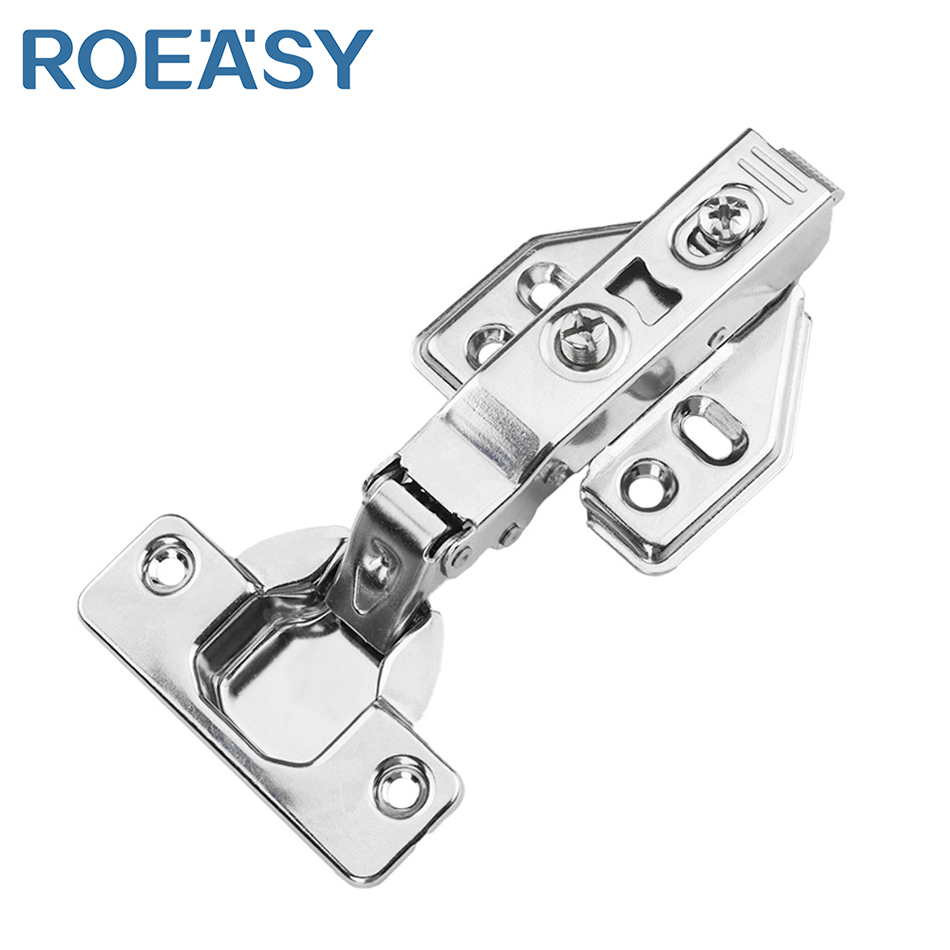
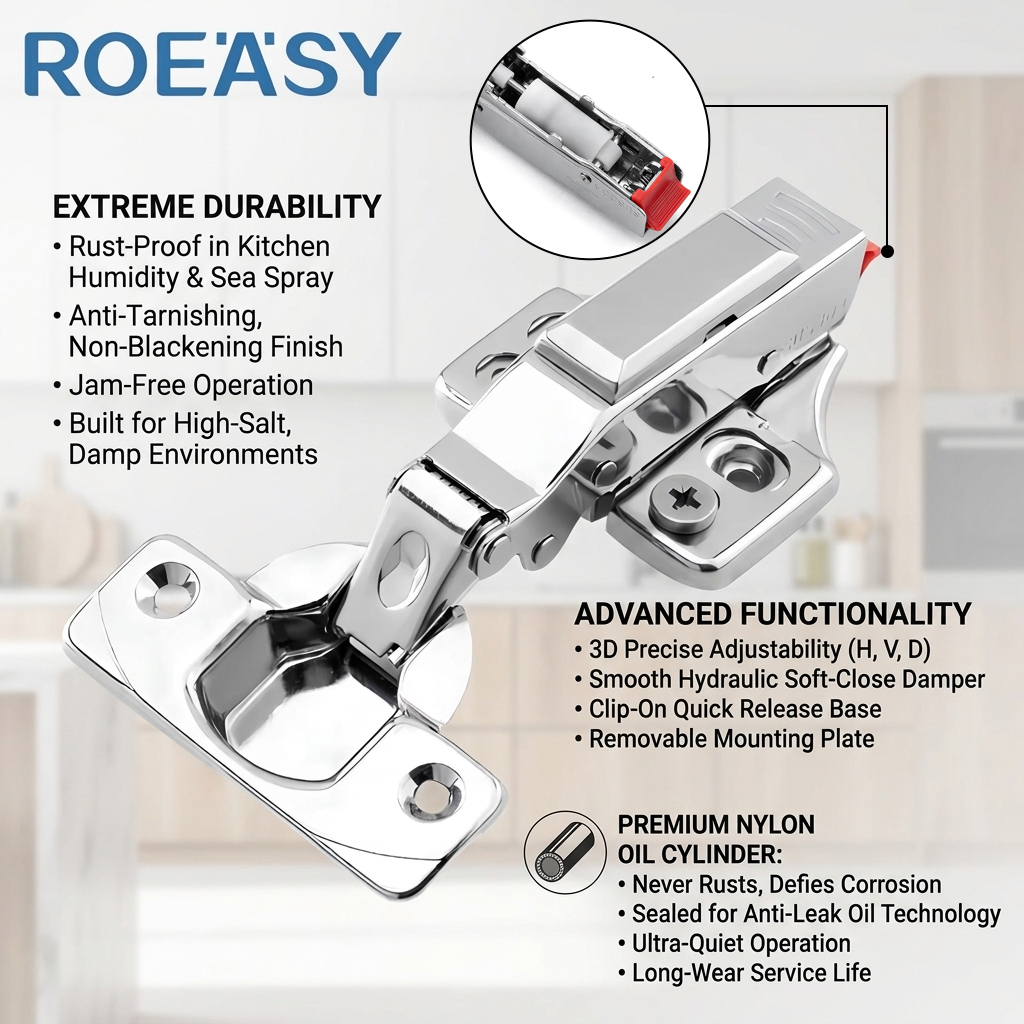
The primary point of degradation in economy hinges is damper fluid leakage caused by seal rupture during rapid, forced door closure. Premium Britton hinges incorporate an internal mechanical bypass safety valve within the copper damping chamber. When forced shut under heavy momentum, excess hydraulic pressure bypasses the main resistance chamber rather than blowing out the fluorosilicone nitrile seals. Furthermore, using multi-viscosity hydraulic oils ensures consistent kinetic resistance across extreme temperature ranges (-20°C in unheated Northern climates to +60°C in tropical container transit).
Strategic purchasing insights for supply chain managers, furniture manufacturers, and hardware wholesalers navigating shifting consumer demand and global design evolutions.
Modern interior architectures prioritize full ceiling-height wardrobe panels (2.7m to 3.0m). Standard hinges buckle under the thermal expansion and bow of tall MDF or solid wood panels. Procurement is shifting towards 3D-adjustable hinges featuring built-in tensioning limiters and multi-stage damping forces.
Traditional bright nickel is being superseded by matte black, space titanium, dark gunmetal, and brushed champagne bronze. Achieving these aesthetics without compromising corrosion resistance requires electrophoretic deposition (EPD) or high-adhesion PVD coatings that withstand repeated installation wrenching.
Glass-door wardrobes with slim anodized aluminum profiles (19–21mm width) dominate luxury walk-in closet designs. Standard 35mm cup hinges cannot be routed into these slim profiles. The trend demands micro-cup hinges (28mm) or hidden square-block pivot hinges fastened by precision M4 machine screws.
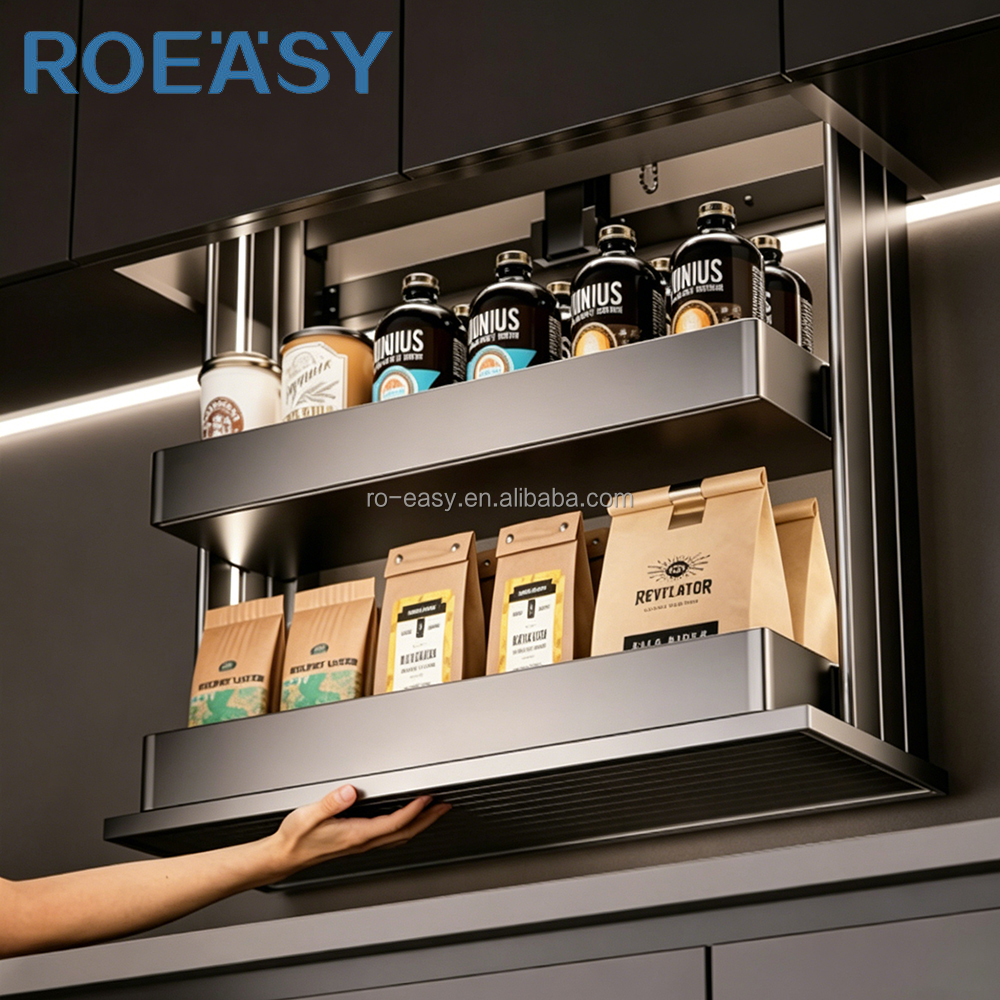
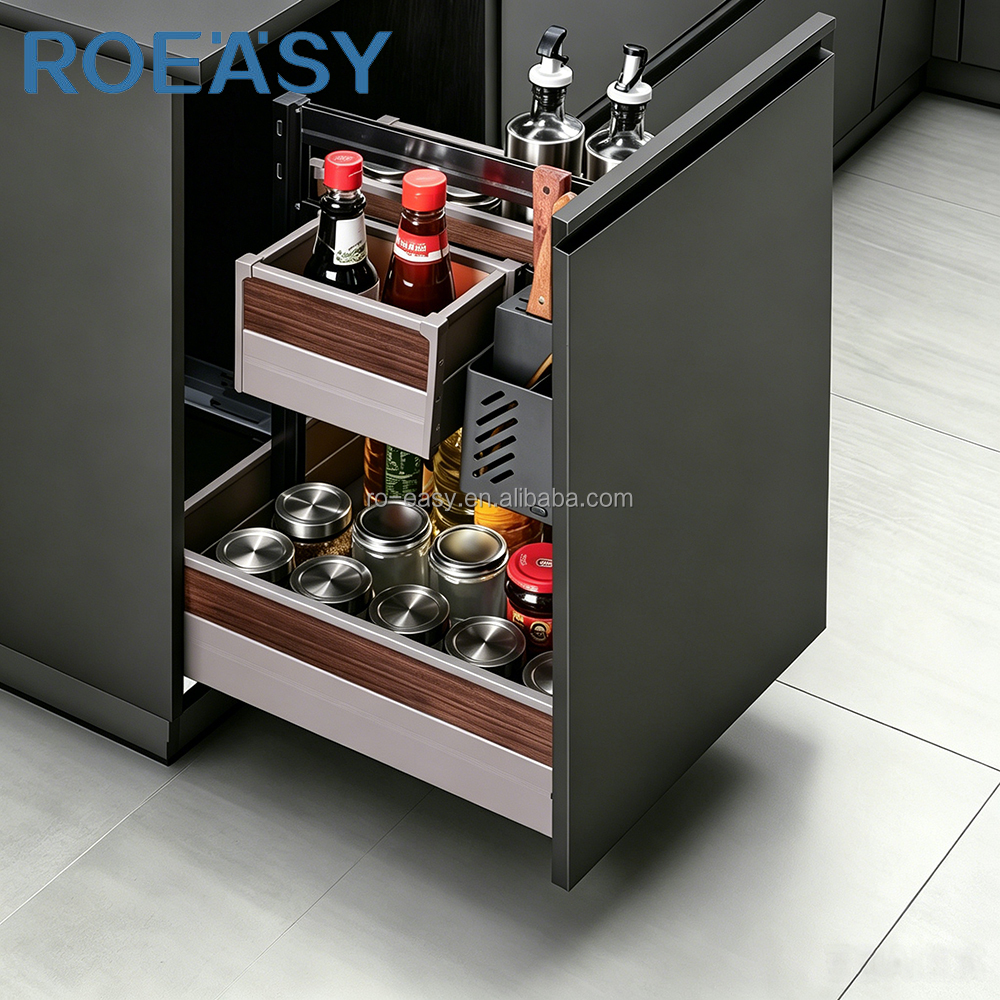
To mitigate warehouse carrying costs and fluctuating sea freight tariffs, international distributors are moving away from single-product bulk sourcing. B2B buyers now prioritize manufacturers capable of consolidating hinges, drawer slides, slim box drawers, and wardrobe storage organizers in unified FCL orders.
Clear, direct answers regarding minimum order requirements, testing certifications, tooling customization, and international export logistics.
Standard model hydraulic soft-close hinges maintain an MOQ of 500 to 3,000 pieces depending on the specific crank and finish. Specialized hinges (such as stainless 304 or minus 45-degree corner models) start at 1,000 pieces. For private-label OEM packaging, custom logo stamping on hinge arms, or branded cover caps, MOQ is typically 10,000 pieces per run. Standard manufacturing lead times range between 25 and 35 calendar days post-deposit confirmation.
Hydrogen embrittlement is a catastrophic failure mode where high-carbon steel absorbs atomic hydrogen during acid-pickling and electroplating, resulting in sudden brittle fractures under load. Britton employs a continuous de-hydrogenation baking process at 200°C for 4 hours immediately following electroplating. Furthermore, our automated multilayer plating lines utilize copper undercoats followed by nickel deposition to eliminate flaking and micro-cracking.
Yes. Our in-house tool and die design department creates custom progressive stamping dies to match your exact CNC manufacturing lines. We routinely produce hinges with standard 45mm, 48mm, and 52mm cup screw center-to-center distances, compatible with automatic hinge-insertion equipment from Blum, Hettich, Grass, or standard CNC machining centers.
All finished goods undergo pre-shipment auditing under ISO 2859-1 (MIL-STD-105E) sampling plans. Our factory guarantees an AQL of 0.65 for critical functional characteristics (hydraulic cylinder retention, spring linkage mechanics, arm detachment) and AQL 1.5 for minor cosmetic variations (plating micro-blemishes, stamp alignment). Batch test reports and retain samples are cataloged for each container load.
Grade 201 stainless steel contains approximately 16% chromium and 1% nickel, utilizing manganese to maintain an austenitic crystal matrix. It delivers superior cost efficiency and protects well against mild interior humidity (salt spray NSS 48 hours). Grade 304 contains 18% chromium and 8% nickel, providing extreme resistance to chlorides and acid detergents (salt spray NSS 96+ hours). For coastal exports or master bathroom wardrobe units, Britton always recommends genuine 304 material.
As Britton operates specialized manufacturing bases across Shantou and Zhaoqing producing hinges, undermount drawer slides, and metal drawer boxes alongside authorized partnerships for wardrobe organizers, buyers can consolidate multiple product categories into a single 20GP or 40HQ container. This single-window procurement eliminates fragmented forwarder management, reduces clearance costs, and balances inventory turn rates.
Submit your architectural drawings, target annual volume, or OEM technical specifications. Our engineering team provides complete 2D/3D CAD models, dynamic load calculations, and fast-track evaluation samples within 3 business days.