Strategic B2B procurement whitepaper, engineering standards, and industrial manufacturing solutions for high-performance architectural cabinet hinges, precision pulls, and intelligent kitchen storage mechanisms.
33+
Years Manufacturing (Since 1992)
20,000㎡
Dual Base Production Area
24
R&D Tooling Engineers
100%
Batch Salt-Spray Inspected
Core Product Recommendation
Precision Cabinet Hardware & Motion Solutions
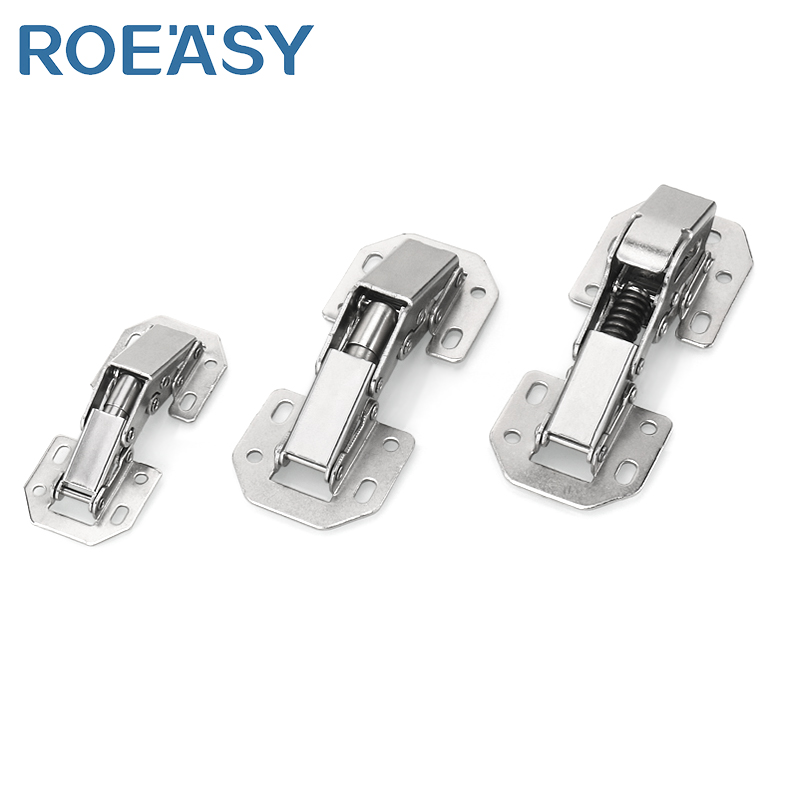
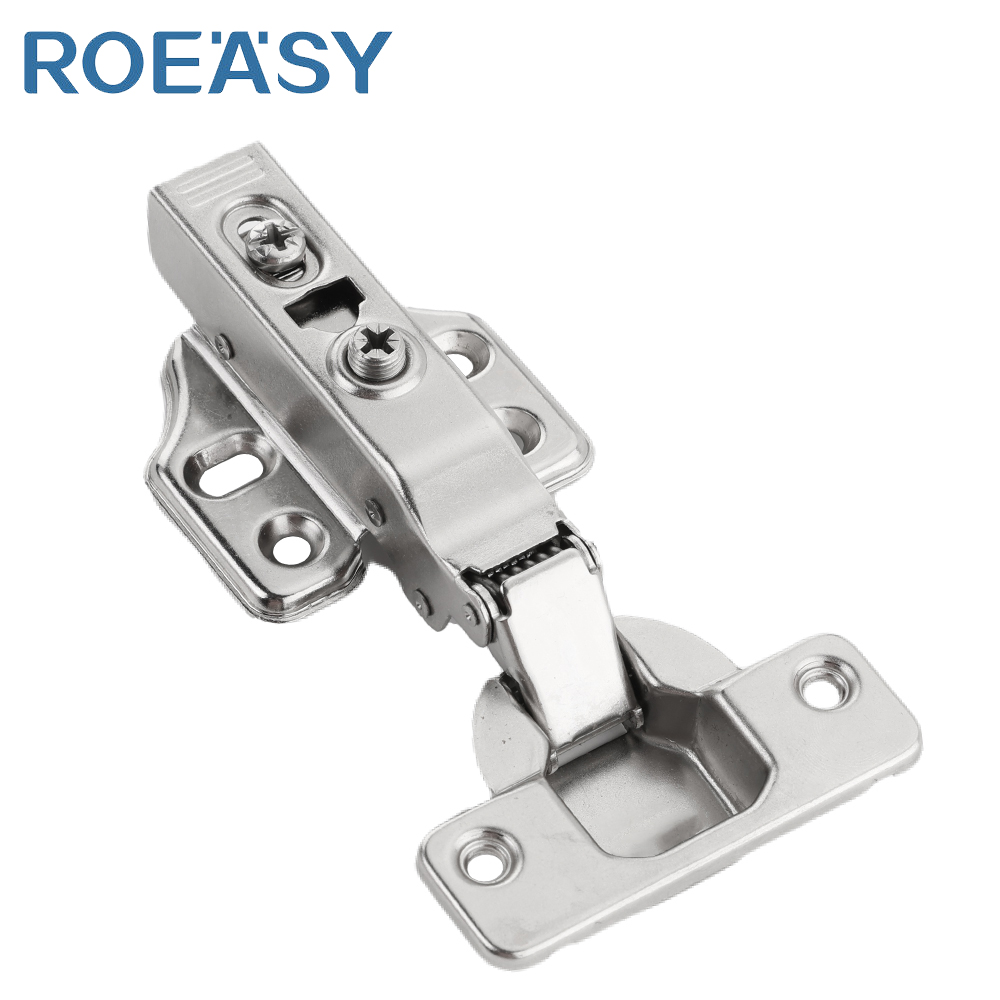
Selected export-grade furniture hinges, concealed hydraulic stays, and mechanical storage fixtures engineered to international tensile, fatigue, and plating standards.
Fast-Mount
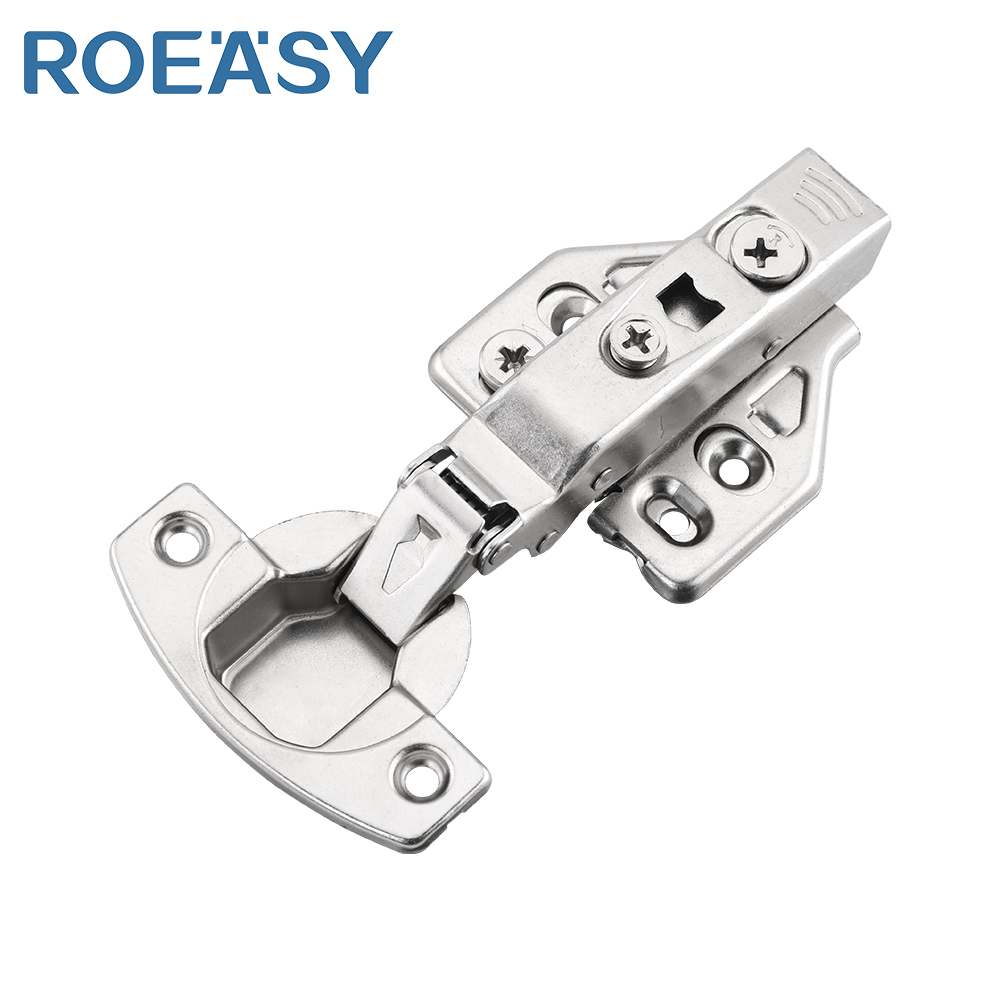
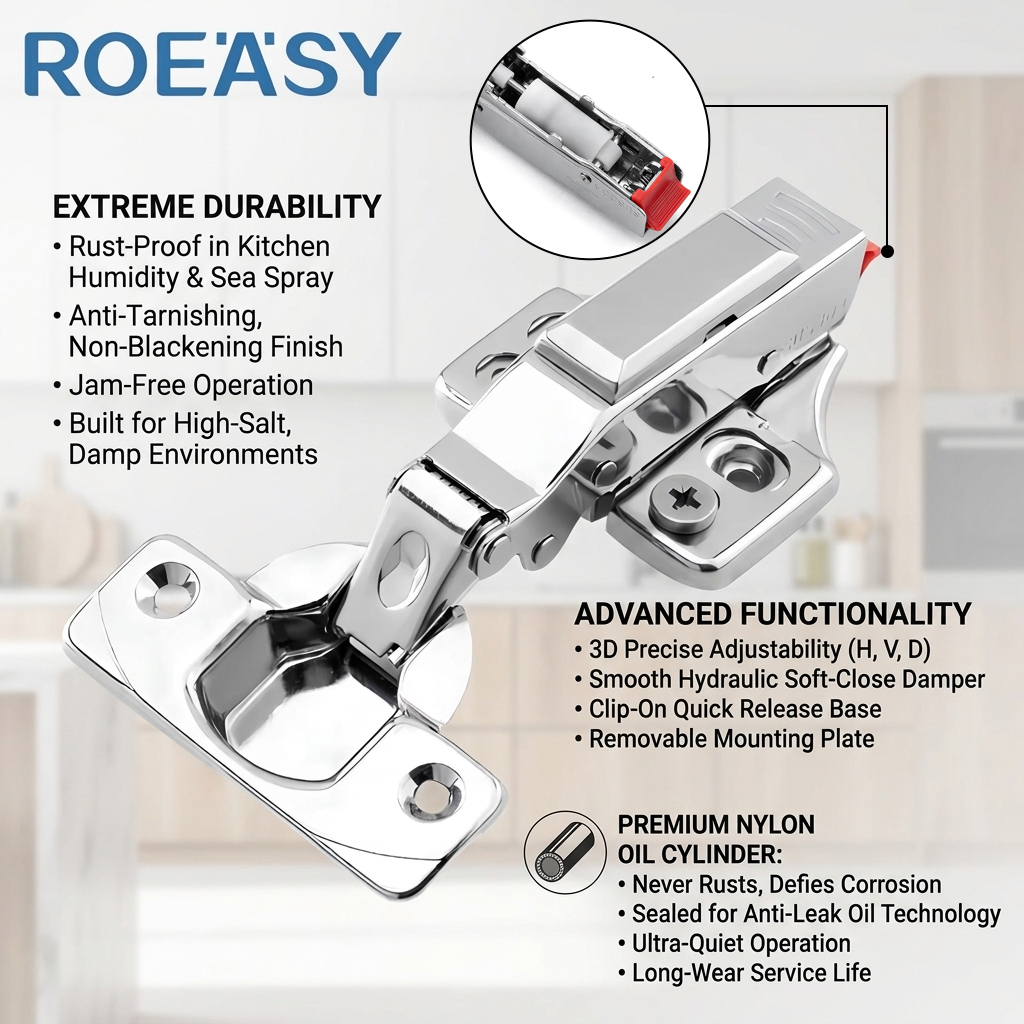
3/4" Frog Concealed 90° Hydraulic Soft-Close Hinge
Future Procurement Trends in Cabinet Knobs & Functional Hardware
Strategic market shifts, metallurgical upgrades, and supply chain rationalization shaping global procurement decisions over the next three to five years.
1. Transition from Standalone Aesthetic Knobs to Integrated Architectural Motion Systems
In modern furniture manufacturing, cabinet knobs, pulls, and concealed hinges are no longer evaluated as isolated decorative trim. Global B2B buyers—specifically flat-pack furniture manufacturers, modular kitchen brands, and residential joinery contractors—increasingly look for unified component packages. A knob's aesthetic profile must coordinate directly with silent closing kinematics, uniform surface plating, and concealed 3D mounting systems.
The rise of handleless kitchen concepts and minimalist transitional profiles means tactile hardware is consolidating. Suppliers that offer integrated mechanical hardware—combining hydraulic soft-closing systems with tactile zinc-alloy and solid-brass decorative interfaces—deliver massive procurement savings. Single-source supply lines lower shipment handling costs, stabilize color matching across diverse production batches, and eradicate supplier disputes regarding mechanical clearance tolerances.
"Industry Data Indicator: Over 68% of tier-one cabinet component distributors now favor consolidated manufacturers capable of supplying both aesthetic knobs and concealed damping hardware on unified bill-of-materials (BOM)."
Environmental standards such as RoHS, REACH, and California Proposition 65 have revolutionized decorative and functional hardware finishing lines. Traditional hexavalent electroplating is being rapidly phased out by certified Chinese original manufacturers in favor of advanced vacuum Physical Vapor Deposition (PVD), eco-compliant trivalent chrome, and specialized high-adhesion cathodic electro-deposition.
For international buyers supplying humid coastal developments, commercial resorts, and high-turnover hospitality spaces, corrosion benchmarks have tightened considerably. Specifying neutral salt spray (NSS) performance exceeding 72 to 96 hours is now baseline. Grade 304 austenitic stainless steel and high-density, copper-undercoated zinc alloys have emerged as the foundational substrates for long-life furniture knobs, damper hinge housings, and structural sliding members.
Hardware Category
Dominant Substrate
Standard Surface Finish
Salt Spray Benchmark
Recommended Commercial Lifecycle
Cabinet Knobs & Pulls
Zamak 3 / Zamak 5 Alloy
Electroplated Matte Black / PVD Satin Brass
NSS 72 Hours Min
80,000 Pull Cycles
Concealed Hydraulic Hinges
Cold-Rolled Steel Q195 / Q235
Multi-layer Cu/Ni Electroplate (8–12µm)
NSS 48 Hours Standard
50,000 Closing Cycles (EN 15570)
Humid-Area Functional Hinges
SUS304 Austenitic Stainless
Electropolished / Passivated Natural
NSS 96–120 Hours
100,000 Closing Cycles
Pull-Out Storage Baskets
Cold-Drawn Carbon Steel / SUS304
Nano-Ceramic Powder Coating / Chrome
NSS 48–72 Hours
40,000 Full-Extension Shifts
Engineering & Innovation
Technological Evolutions in China's Hardware Manufacturing
How automation, progressive die stamping, and micro-hydraulic dampening define the next era of Chinese hardware manufacturing competitiveness.
Tooling Precision & Cold-Chamber Die Casting
Modern Chinese factories have transitioned away from manual molding toward automated multi-cavity hot- and cold-chamber die-casting machines. This guarantees sub-millimeter dimensional tolerances on complex knob contours, eliminative porosity defects, and ensuring consistent structural yield strength for mounting thread integrity.
Integrated Micro-Hydraulic Dampening
The incorporation of self-contained, copper-cylinder hydraulic damper modules within hinges and slide runners prevents fluid leaks at extreme temperature ranges (-15°C to 50°C). Precision fluid viscosity selection ensures uniform soft-closing deceleration across light acrylic and heavy solid timber doors alike.
Traceable Digital Quality Assurance
From automated rivet inspection to automated gas spring force sorting, leading plants employ inline optical sensors and digital vernier height gauges. Real-time statistical process control (SPC) guarantees that defect rates remain under 300 PPM across large-scale export shipments.
Combining 33+ years of original equipment manufacturing with strict SGS Group on-site verified capabilities, providing enterprise-level security to international buyers.
Two Specialized Production Hubs
Our dual factories located in Shantou (Chenghai) and Zhaoqing (Gaoyao) encompass over 20,000㎡ of active manufacturing footprint, covering stamping, automated assembly, and mold development.
In-House Testing Laboratory
Equipped with cycle endurance rigs, high-door fatigue machines, gas spring Newton testers, falling-ball impact stands, and neutral salt-spray chambers to audit each batch prior to packaging.
Full OEM & ODM Engineering
Backed by 24 engineering specialists, we build custom molds, private-label branded packouts, laser-etched markings, and custom-length slides based entirely on CAD / STP data or approved physical samples.
Global Fulfillment Capability
With an annual export volume of US$7.12M across North America, the Middle East, Southeast Asia, and Europe, our account managers seamlessly coordinate mixed-container container loading and logistics.
Technical Questions Answered
Frequently Asked Questions on Sourcing Cabinet Hardware from China
Practical operational advice addressing quality control, MOQs, testing compliance, and bespoke manufacturing lead times.
What are the key technical parameters required to specify cabinet hinges and knobs accurately?
For cabinet knobs and decorative handles, always specify center-to-center (CC) hole dimensions, thread type (standard M4 screws), material grade (Zamak 3, SUS304, or aluminum 6063), and target salt-spray resistance. For concealed hinges, confirm the door panel thickness (commonly 16–22mm), overlay requirement (full overlay, half overlay, or inset), cup boring diameter (35mm standard), base plate type (slide-on vs. clip-on 3D plate), and opening angle (95° to 165°).
Is Britton Hardware a direct manufacturing plant or a trading broker?
We are an integrated industry-and-trade enterprise verified on-site by SGS Group. Product R&D, tool and die fabrication, automatic stamping, hydraulic assembly, and final export quality audits are managed directly across our two manufacturing facilities in Shantou and Zhaoqing, Guangdong Province.
What Minimum Order Quantities (MOQs) apply for wholesale and OEM orders?
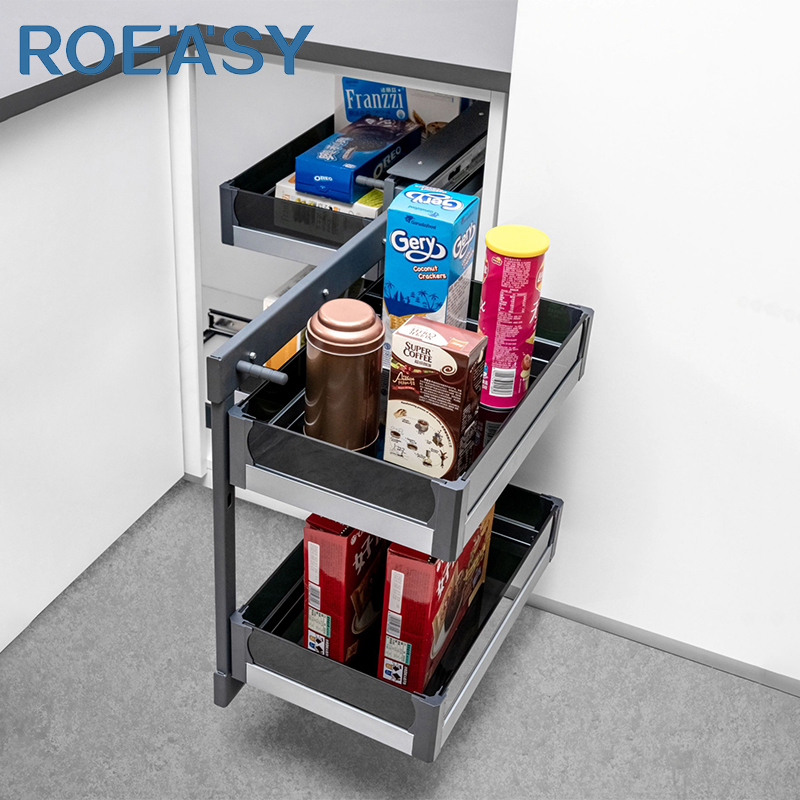
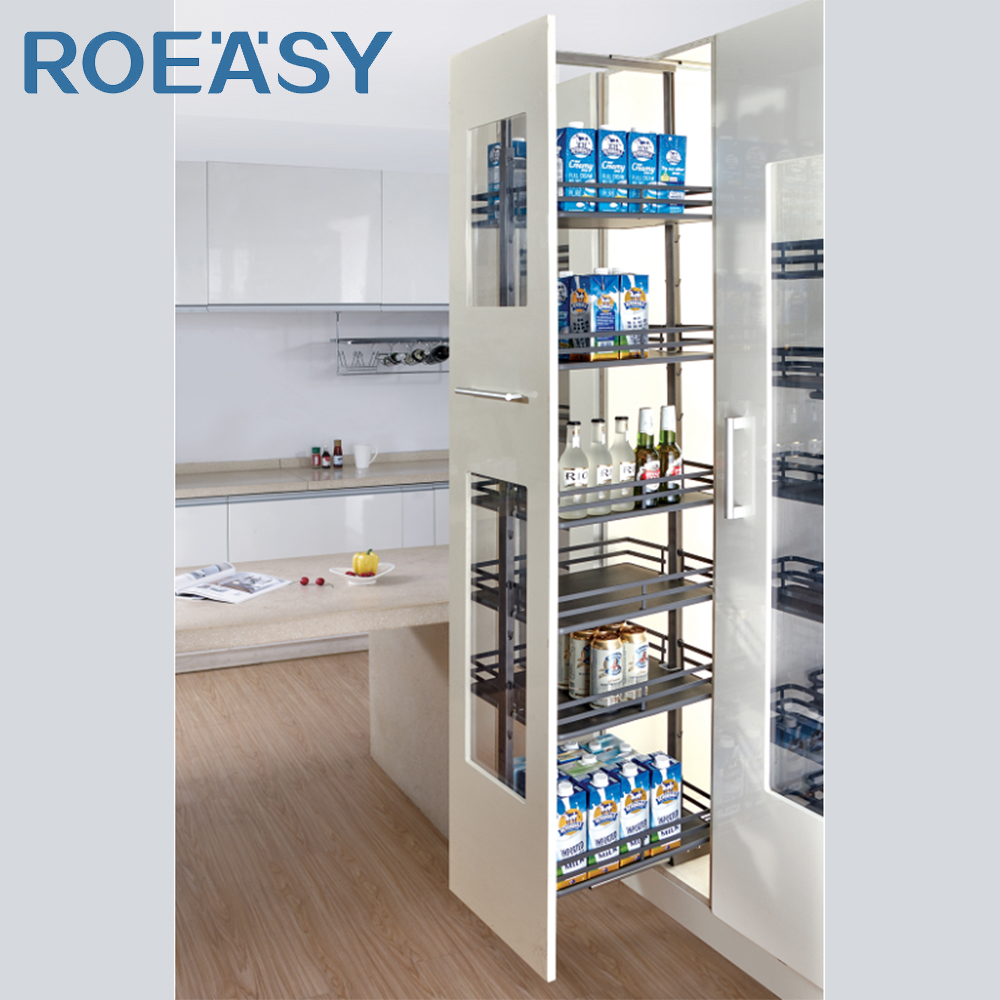
MOQs are structured by product complexity. Standard hydraulic soft-close cabinet hinges require 500 to 3,000 pieces depending on plating choice; undermount slides start from 500 pairs; slim drawer box systems require 200–300 sets; and specialized kitchen pantry pull-out units are available from 10 to 50 sets. Sample evaluations can be dispatched rapidly for qualification before committing to mass production.
How does the in-house testing lab ensure consistency across high-volume production batches?
Our quality assurance department comprises 9 full-time QA/QC inspectors monitoring incoming raw metals, stamping stamp integrity, and final assembled units. Products undergo continuous automated cycle testing (50,000+ open-and-close cycles under operational loads), Newton-force calibration on damper springs, screw torque tests, and continuous neutral salt spray chamber assessments to meet ASTM B117 and EN standards.
Can Britton Hardware handle custom tooling, logo engraving, and private-label retail packaging?
Yes. With 33+ years of OEM expertise and an in-house tooling team of 24 engineers, we regularly produce proprietary molds from buyer blueprints, provide automated fiber-laser logo marking on hinge arms and knob bases, and print full-color retail barcodes, polybags, and retail cartons to buyer branding standards.
What international payment terms and shipping options are supported for overseas clients?
We support standard B2B export financing models including T/T (Telegraphic Transfer), irrevocable Letter of Credit at sight (L/C), and D/P terms. We offer complete FOB Guangzhou/Shenzhen handling, CIF/CFR port deliveries, and mixed-container staging to maximize cubic container utilization for multi-product orders.
Connect Directly with Britton's Hardware Engineering Team
Request comprehensive CAD engineering drawings, formal quotation sheets, or custom sample prototypes tailored to your technical project specifications.